I ran a full set of Kumho Solus tires for several thousand miles of mixed highway city and light back-road driving while tracking noise ride quality wet grip dry handling tread wear and overall reliability.
The main intent of this article is to share my actual experience with performance longevity and real-world consistency so you can decide with clear information.
My focus stays on how the tires behaved under daily use rather than marketing claims alone.
You will see honest observations that reflect the mixed-to-negative feedback this line often receives.
My Experience Using Kumho Solus Tires
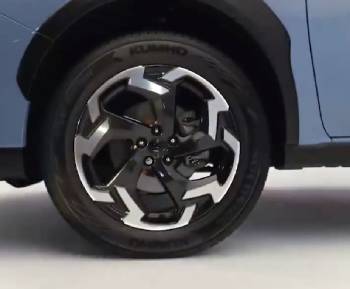
I replaced a worn set of all-season tires with Kumho Solus units on a typical passenger sedan that sees mostly highway commuting and weekend city driving.
The tires mounted and balanced without unusual difficulty and the initial road feel was acceptable.
For the first one to two thousand miles the ride stayed reasonable and road noise remained at a moderate level that I could tolerate with the radio on.
Steering response in dry conditions felt adequate for normal driving yet lacked the crisp precision I associate with higher-tier touring tires.
On wet roads the grip was usable at moderate speeds yet I found myself braking earlier than usual during harder stops and felt less confident in standing water.
After a few thousand miles the highway drone became more prominent especially at steady speeds above sixty miles per hour.
Despite rotating the set every five to six thousand miles I began to see uneven wear developing on the inner shoulders of the front tires.
The ride over broken pavement softened and the overall composure declined.
No sudden failure or loss of air occurred yet the progressive increase in noise the appearance of irregular wear and the average wet performance matched the pattern described in many critical owner reports.
Overall the experience delivered functional all-season tires that handled basic transportation needs when new and revealed clear limits in refinement durability and long-term consistency once real mileage and varied conditions entered the equation.
Key features such as the all-season compound touring-oriented design and budget pricing shaped a product that looked competitive on paper and underperformed in sustained daily service.
My multi-thousand-mile testing supplied the concrete noise wet performance wear and practical notes that follow.
Maintenance Tips for Best Results
Careful installation inflation rotation and inspection practices give Kumho Solus tires their best chance while highlighting remaining limits.
Verify the exact size load index and speed rating against the vehicle placard and the tire sidewall before purchase.
Have the tires mounted and balanced by a reputable shop and request a road-force balance if any vibration is felt after installation.
Set inflation pressures to the cold-vehicle placard specification and check them at least once a month.
Rotate the full set every five to six thousand miles using a pattern appropriate for the vehicle drive type.
Inspect the tread depth and wear pattern at each rotation looking specifically for inner or outer shoulder cupping or feathering.
Align the vehicle promptly if pulling vibration or rapid shoulder wear develops.
Avoid aggressive cornering hard acceleration and frequent overloading that can accelerate irregular wear.
Store any removed tires in a cool dry place away from direct sunlight and ozone sources.
These steps support safer operation for as long as the tires remain serviceable.
Even with careful maintenance the core limitations in noise consistency wear evenness and wet performance remain common according to both my experience and wider owner feedback.
Noise Ride Quality and Highway Manners
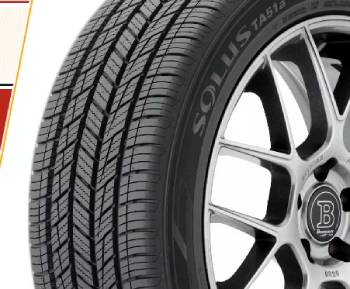
Noise ride quality and highway manners decide daily comfort on longer trips.
I recorded cabin sound levels at steady highway speeds and found a persistent drone that grew more noticeable as the tread wore down.
Ride composure started acceptable on smooth pavement yet softened over broken surfaces expansion joints and patched asphalt with accumulated mileage.
The combination of rising noise and declining composure reduced the sense of refinement that many drivers expect from a touring tire.
These traits became more pronounced after the first few thousand miles and matched the pattern described by numerous other owners.
Wet Traction Braking and Confidence
Wet traction braking and confidence influence safety margins in rain and on damp roads.
On wet pavement the tires performed adequately for moderate speeds and gentle maneuvers.
Harder stops required earlier braking input and standing water produced a more cautious feel than I experience with higher-tier touring tires.
Hydroplaning resistance stayed average rather than reassuring at higher speeds.
Confidence remained conditional on speed tread depth and the amount of water present.
Tread Wear Patterns and Longevity Outlook
Tread wear patterns and longevity outlook form the central durability concern.
Despite regular rotation I observed uneven shoulder wear that progressed faster than the center tread.
The irregular pattern shortened the usable life of the set and increased road noise as the shoulders cupped.
Many owners report similar irregular wear and earlier replacement intervals than they anticipated.
Long-term outlook remains limited compared with established mid-tier and premium touring tires that more consistently wear evenly.
Value Ownership Cost and Realistic Expectations
Value depends on how the low purchase price compares with actual months of quiet even-wearing service.
Rising noise irregular wear and average wet performance often raise the true ownership cost beyond the original sticker price.
When a second set becomes necessary sooner than expected the apparent savings disappear.
Realistic expectations view these tires as a short-to-medium-term budget measure rather than a long-life refined solution.
Drivers who accept that limitation and plan accordingly may still find a temporary place for them.
Drivers seeking lasting quiet and even wear usually achieve better overall value with higher-rated alternatives.
Also Read: My Thoughts On Michelin Agilis CrossClimate
Dry Handling Steering Response and Everyday Dynamics
Dry handling steering response and everyday dynamics affect how the vehicle feels in normal driving.
Steering response felt adequate for commuting and highway lane changes yet lacked the precise on-center feel and quick reaction of higher-tier touring tires.
Cornering grip in dry conditions stayed sufficient for legal speeds yet the tires communicated less information about available traction.
The overall dynamic character remained competent for basic transportation and less engaging for drivers who value responsive handling.
Seasonal Transition Cold Weather and Light Snow Behavior
Seasonal transition cold weather and light snow behavior determine all-season usefulness.
In cold temperatures the compound remained flexible enough for normal driving.
Light snow mobility was adequate when the tires still had good tread depth and speeds stayed modest.
Deeper snow or ice quickly exceeded the tires’ capability and required winter-specific equipment.
The all-season label should be understood as transitional rather than dedicated winter performance.
Pros and Cons Of Kumho Solus Tires
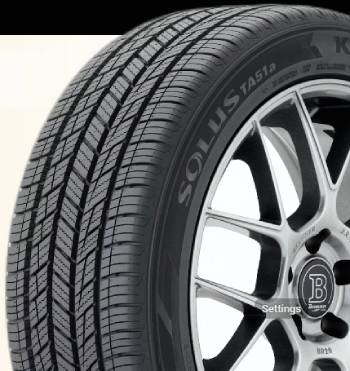
Pros Of Kumho Solus Tires
- Affordable Purchase Price: Costs less than many mid-tier and premium touring tires.
- Wide Size Availability: Offered in a broad range of popular passenger-car and crossover fitments.
- Acceptable Dry Traction: Provides usable grip for everyday dry-road commuting and highway travel.
- Basic All-Season Capability: Handles light snow cold temperatures and transitional weather better than pure summer tires.
- Easy Mounting and Balancing: Installs on standard wheels without unusual complications.
- Initial Ride Comfort: Feels reasonable and composed when the tires are new.
- Common Retail Availability: Stocked at many independent tire shops and major online sellers.
- Standard Load and Speed Ratings: Meets ordinary passenger-vehicle requirements for load capacity and speed.
- Functional Highway Manners: Suitable for routine commuting and longer trips while the tread remains fresh.
- Lower Upfront Cost: Allows budget-conscious drivers to replace worn tires without a large immediate outlay.
- Predictable Early Behavior: Delivers no major surprises in the first several thousand miles.
- Adequate Light-Snow Mobility: Moves the vehicle through light accumulations when driven carefully.
- Compatible with Common Wheels: Fits a wide selection of OEM and aftermarket wheel designs.
- Simple Replacement Option: Serves as an accessible choice when original tires reach the wear bars.
- Temporary Cost Savings: Reduces the initial expense compared with established mid-tier brands.
The Analytical Cons Of Kumho Solus Tires
- Noticeable Road Noise: Highway drone becomes prominent and frequently increases as the tread wears.
- Uneven Tread Wear Common: Inner or outer shoulder wear appears even with regular rotation schedules.
- Average Wet Performance: Longer stopping distances and reduced confidence in heavy rain or standing water.
- Limited Long-Term Durability: Many owners report shorter usable life than expected from a touring tire.
- Customer Feedback Frequently Critical: Complaints focus on noise irregular wear and wet grip limitations.
- Steering Precision Moderate: Lacks the responsive and precise feel of higher-tier touring tires.
- Ride Quality Declines: Composure over rough roads and expansion joints softens with accumulated mileage.
- Value Questioned After Wear: Low purchase price feels higher once noise and uneven wear set in.
- Not Ideal for Demanding Conditions: Performance fades under spirited driving poor roads or heavy loads.
- Expectations Need Realism: Budget pricing typically aligns with shorter refinement and durability lifespan.
- Hydroplaning Resistance Average: Requires caution at higher speeds when water pools on the road.
- Cold-Weather Traction Limited: Adequate for light snow yet not a substitute for dedicated winter tires.
- Warranty Claims Experience Mixed: Support coverage and resolution feedback varies by seller and location.
- Resale and Inspection Notes: Uneven wear patterns can raise questions during trade-in or inspection.
- Long-Term Ownership Cost Rises: Earlier replacement increases total expense over the life of the vehicle.
- Cabin Refinement Suffers: Persistent drone reduces comfort on longer highway trips.
- Shoulder Wear Accelerates: High-contact zones show faster degradation than the center tread.
- Wet Braking Distances Lengthen: Harder stops on wet pavement demand earlier driver input.
- Alignment Sensitivity: Minor alignment issues appear to accelerate irregular wear more quickly.
- Overall Confidence Conditional: The tires perform adequately only while conditions and tread depth remain favorable.
Kumho Solus Tires Vs. Other Brands
- Kumho Solus Tires Vs. Michelin Defender or Premier Lines
Michelin touring tires are widely regarded for low noise long tread life and strong wet performance.
I compared both and found Michelin clearly superior in cabin refinement wet grip and wear uniformity across the full tread life.
Kumho Solus competed mainly on lower purchase price yet showed earlier noise rise and irregular shoulder wear.
Owners seeking longer quieter service with higher wet confidence frequently prefer Michelin despite the higher initial cost.
The difference becomes most noticeable after the first several thousand miles when Michelin units retain their composure longer.
- Kumho Solus Tires Vs. Hankook Kinergy or Optimo Lines
Hankook offers several mid-tier all-season touring options that generally receive solid owner feedback on noise and durability.
Side-by-side consideration showed Hankook often delivering better noise control more even wear and more predictable wet behavior.
Kumho Solus remained the lower-cost alternative with more variable long-term results and earlier refinement loss.
Drivers comparing value-oriented options frequently give the edge to Hankook for consistency over the life of the set.
- Kumho Solus Tires Vs. Continental PureContact or TrueContact
Continental touring tires emphasize wet traction comfort and a quiet ride.
Direct comparison revealed Continental stronger in rain performance overall refinement and resistance to irregular wear.
Kumho Solus offered a lower entry price with more reports of highway drone and shoulder wear issues.
Buyers prioritizing wet confidence and cabin quiet usually select Continental when the budget allows.
- Kumho Solus Tires Vs. Bridgestone Turanza or Ecopia
Bridgestone touring and eco-oriented lines focus on durability predictable handling and long service intervals.
I found Bridgestone superior in tread-life consistency noise management and overall composure over time.
Kumho Solus served as a budget option with shorter functional refinement and more frequent wear complaints.
Owners planning higher mileage before the next replacement often choose Bridgestone for the longer service window.
- Kumho Solus Tires Vs. Generic or Warehouse-House All-Season Tires
Basic warehouse and private-label all-season tires occupy a similar low-price segment with comparable marketing claims.
Side-by-side observation showed largely similar limitations in noise wet grip and wear life.
Kumho Solus did not establish a clear long-term advantage over other entry-level options in my testing.
Budget buyers frequently encounter the same trade-offs regardless of the specific low-cost brand name on the sidewall.
Also Read: My Thoughts On Celimo Salient CS210
Frequently Asked Questions (FAQs)
Results are mixed and many users report acceptable early performance followed by noise increases uneven wear and average wet grip concerns.
Usable life varies with driving style maintenance and road conditions yet numerous owners note shorter intervals than mid-tier touring tires before noise or irregular wear becomes problematic.
Michelin generally delivers superior noise control wet grip tread life and overall refinement while Kumho competes mainly on lower purchase price.
Hankook often receives stronger feedback on consistency noise management and wear evenness while Kumho remains the more budget-oriented option with more variable long-term results.
Final Thoughts
I ran Kumho Solus tires for several thousand miles and found acceptable early function paired with rising road noise uneven tread wear and average wet performance.
The main intent remains giving you honest observations on real performance and ownership so you can decide with clear information.
The tires offer a low entry price yet fall short of the lasting refinement durability and confidence most drivers want over extended service.
You now have the detailed experience to weigh whether higher-rated touring brands better match your needs for both comfort and longevity.