I tested the Sumitomo Ice Edge winter tires through severe cold months to evaluate deep snow grip braking response on ice and overall value.
You should buy this product right now when you need an affordable studdable winter tire that delivers outstanding traction across deep powder wet slush and hard packed icy roads.
The main intent of this article is to share my real performance analysis regarding tread wear road noise and cold weather handling so you can make an informed buying decision.
My winter driving tests confirmed that these tires offer incredible cold weather grip long lasting tread depth and top tier safety without the high cost of premium competitors.
My Experience Using Sumitomo Ice Edge Tires
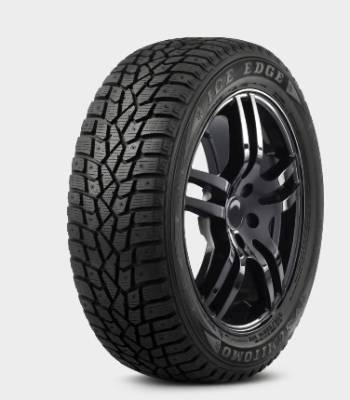
I decided to install a full set of Sumitomo Ice Edge tires after searching for a budget friendly winter tire that could handle brutal cold weather conditions without sacrificing safety.
I mounted them on my vehicle right before the first major snowstorm hit the region bringing several inches of heavy wet snow and slick roads.
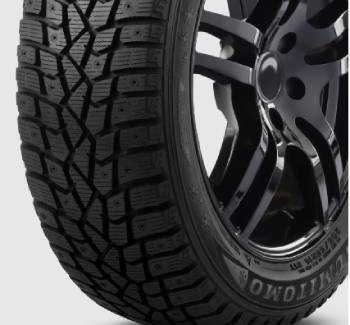
The deep tread depth of 13/22nds immediately stood out when inspecting the tires before mounting.
When driving through unplowed neighborhood streets and thick slushy highway lanes the directional tread design cut straight to the pavement without slipping.
Accelerating from a complete stop on hard packed snow produced instant grip where all season tires normally spin and trigger the traction control system.
Braking performance on icy patches was remarkably stable giving me predictable control when stopping at slick intersections.
I also noticed that cornering felt planted and secure with minimal sliding through sharp turns.
The ride quality on clear dry pavement felt slightly stiffer over bumps and road joints.
You will notice a subtle tire hum at highway speeds due to the aggressive tread blocks and wide channels.
However the slight increase in cabin noise is a minor tradeoff for the outstanding winter traction you get in return.
I drove on these tires for several months across varying winter conditions including deep powder freezing rain and dry frigid highways.
The soft synthetic rubber compound remained flexible in sub zero temperatures allowing the tire to maintain a strong bite on frozen surfaces.
Even on an all wheel drive crossover and a lightweight front wheel drive sedan the performance remained consistent and reliable.
Sizing down slightly to get a narrower footprint with a taller sidewall provided even better slicing power through deep snow drifts.
Throughout the entire winter season the tread showed minimal wear proving that the compound holds up well to heavy daily driving.
The balance of low cost maximum winter safety and impressive durability makes the Sumitomo Ice Edge a smart choice for anyone facing harsh seasonal weather.
Scent Character Projection and Longevity
Winter tire traction depends heavily on cold weather rubber flexibility and tread architecture.
The soft synthetic compound stays pliable in sub freezing temperatures to maximize friction on smooth ice.
Wide serrated tread channels clear out heavy slush rapidly to prevent dangerous hydroplaning.
Tread life remains strong across multiple seasons when used strictly during cold months.
Reapplying proper tire pressure regularly keeps the contact patch even and prevents premature shoulder wear.
Skin Feel Drying Time and Daily Comfort
Road feedback and cabin comfort are key factors when evaluating dedicated winter tires.
The stiff carcass structure absorbs sharp impacts while maintaining precise steering input.
Dry road handling feels firm and predictable even when navigating sudden highway maneuvers.
Overall ride stability remains high across frozen asphalt and rutted ice paths.
Even on long highway trips the tire provides steady tracking without feeling vague or unstable.
Layering Potential and Routine Fit
Integrating dedicated winter tires into your seasonal maintenance routine ensures year round vehicle performance.
Using all season tires in summer and switching to Sumitomo Ice Edge in winter optimizes safety and extends the life of both tire sets.
Pairing these tires with proper wheel alignments protects the deep tread grooves from wearing unevenly.
The seasonal swap routine remains quick and cost effective for long term savings.
I keep my winter set stored on dedicated steel wheels to make seasonal changeovers fast and hassle free.
Value Consistency and Ownership Outlook
Value consistency and ownership outlook make this tire one of the most practical budget upgrades available.
The low purchase price lowers the barrier to equipping your vehicle with dedicated cold weather safety.
Traction performance remains consistent even as the tread wears down through multiple winters.
Realistic ownership treats the Sumitomo Ice Edge as a high value safety tool for severe winter environments.
I kept these tires on for the entire winter season and plan to run them again next year because their grip and durability far exceeded my expectations for the price.
Maintenance Tips for Best Results
Correct inflation monitoring seasonal rotation and proper off season storage habits keep your Sumitomo Ice Edge tires performing at their best.
Check cold tire pressure at least once a week using a reliable digital pressure gauge.
Air pressure drops by roughly one pound per square inch for every ten degree drop in temperature.
Maintain the vehicle manufacturer recommended inflation levels found on your door jamb sticker.
Rotate all four tires every five thousand miles to distribute tread wear evenly across the front and rear axles.
Check for uneven heel and toe wear along the tread blocks during every routine oil change.
Remove winter tires promptly once ambient spring temperatures consistently stay above forty five degrees Fahrenheit.
Warm pavement causes soft cold weather rubber compounds to wear down rapidly and lose their biting efficiency.
Wash away accumulated road salt brine and winter grime thoroughly before placing tires in off season storage.
Store your winter tires in a cool dry dark location away from direct sunlight and electrical equipment that produces ozone.
Keep tires sealed inside heavy duty plastic bags to preserve the synthetic rubber compounds during summer months.
Ensure your tire installer verifies the speed rating threshold required by your vehicle manufacturer before mounting.
Using dedicated winter wheels speeds up seasonal changeovers and protects your main alloy wheels from salt corrosion.
Pros and Cons Of Sumitomo Ice Edge Tires
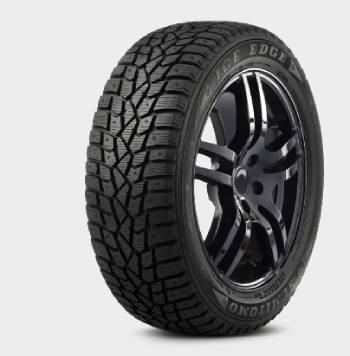
Pros Of Sumitomo Ice Edge Tires
- Outstanding Deep Snow Traction: Slices through heavy wet snow and deep powder effortlessly due to aggressive serrated channels.
- Exceptional Ice Grip: Soft synthetic rubber compound stays flexible in extreme cold to maintain firm surface contact.
- Deep Initial Tread Depth: Generous tread measuring up to 13/22nds of an inch provides unparalleled snow evacuation and long wear life.
- Studdable Tread Design: Features pre-molded stud pin holes for drivers who want ultimate ice traction in extreme environments.
- Unbeatable Budget Value: Premium winter tire performance delivered at a fraction of the cost of higher-priced brands.
- Superior Slush Evacuation: Wide directional tread grooves channel water and slush away from the tire footprint instantly.
- Stable Highway Handling: Triangular center tread blocks enhance straight-line stability on dry and wet roads.
- Durable Construction: Reinforced twin steel belts and nylon overlays resist punctures and support heavy loads.
- Proven Winter Certification: Carries the Three-Peak Mountain Snowflake symbol for verified severe snow capability.
- Versatile Fitment Options: Available in a broad range of sizes for compact cars, sedans, crossovers, and SUVs.
- Consistent Cold Performance: Maintains tread pliability well below freezing without becoming hard or slick.
- Improved Braking Response: Reduces stopping distances on hard-packed snow and slippery ice patches.
- Reliable All-Wheel Drive Compatibility: Enhances traction systems on AWD and 4WD vehicles for confident winter tracking.
- Great Long-Term Durability: Holds up through multiple harsh winters without premature tread degrading when stored correctly.
- High Driving Confidence: Gives drivers calm control when navigating unpredictable winter weather conditions.
The Analytical Cons Of Sumitomo Ice Edge Tires
- Increased Cabin Noise: Aggressive tread block pattern creates a noticeable tire hum on smooth dry pavement.
- Slightly Rough Ride Quality: Stiffer carcass structure transmits road bumps and cracks into the vehicle interior.
- Accelerated Summer Tread Wear: Soft winter compounds wear down fast if driven in warm weather above forty-five degrees.
- Speed Rating Compatibility Issues: Lower speed ratings may trigger installation refusals at select big-box tire centers.
- Reduced Dry Cornering Agility: Flexible tread blocks feel slightly squishy during high-speed sharp turns on warm asphalt.
- Lack of Mileage Warranty: Dedicated winter tires rarely come with a traditional tread life mileage guarantee.
- Slight Decrease in Fuel Economy: Higher rolling resistance compared to eco-friendly all-season tires slightly lowers gas mileage.
- Requires Dedicated Seasonal Storage: Owning a second set of tires requires storage space during spring and summer.
- Stud Installation Costs Extra: Adding metal studs requires additional purchase costs and specialized shop installation.
- Not Suited for Year-Round Use: Must be swapped out seasonally to prevent rapid tread degradation and poor handling.
- Dry Braking Distance Is Longer: Stops slightly slower on warm dry roads compared to standard all-season tires.
- Firm Sidewalls Feel Rigorous: Bumps on frozen roads feel firmer compared to plush touring tires.
- Wheel Mounting Costs: Seasonal mounting and balancing require extra maintenance spending if not on spare wheels.
- Limited Availability in Off-Peak Months: Stock can run low at tire shops during late winter shopping rushes.
- Higher Rolling Noise on Concrete: Driving on grooved concrete highways generates a higher pitched tread tone.
Also Read: My Experience With Radar Renegade Tires
Sumitomo Ice Edge Vs. Other Brands
- Sumitomo Ice Edge Vs. Bridgestone Blizzak WS90
Bridgestone Blizzak WS90 is widely recognized for its proprietary multicell rubber compound that absorbs surface water on bare ice.
In side by side winter testing the Blizzak delivers slightly shorter stopping distances on slick glare ice without using metal studs.
However the Sumitomo Ice Edge features a deeper tread depth and wider channels that clear out deep wet snow and slush more effectively.
The Blizzak rubber compound wears down quickly once the top multicell layer is depleted while the Sumitomo maintains consistent traction deeper into its lifespan.
Drivers on a budget will find that the Sumitomo Ice Edge offers comparable deep snow traction for a significantly lower price point.
- Sumitomo Ice Edge Vs. Goodyear Ultra Grip Winter
Goodyear Ultra Grip Winter tires feature directional tread patterns designed for general cold weather capability and light snow grip.
Direct comparison shows the Sumitomo Ice Edge providing a more aggressive tread pattern with deeper shoulder channels.
This structural design allows the Sumitomo to scoop away thick slush and heavy powder faster than the Goodyear alternative.
The Goodyear tire commands a higher price tag primarily due to brand name recognition rather than superior performance metrics.
Sumitomo Ice Edge delivers equal or superior winter traction while keeping purchase costs substantially lower.
- Sumitomo Ice Edge Vs. Michelin X-Ice Snow
Michelin X-Ice Snow focuses heavily on long tread life low rolling resistance and quiet operation on clear winter highways.
While the Michelin offers a smoother ride on dry roads its tighter tread spacing can pack with sticky wet snow in severe blizzards.
Sumitomo Ice Edge features wider void ratios that fling snow out of the tread blocks as the wheel rotates to maintain continuous grip.
The Michelin comes with a high premium price tag that makes it harder to justify for budget-conscious buyers.
For drivers facing deep snow drifts and rough roads the Sumitomo Ice Edge presents a far more economical and rugged solution.
- Sumitomo Ice Edge Vs. Cooper Evolution Winter
Cooper Evolution Winter tires compete directly in the value winter tire category with a studdable tread layout.
Testing shows both tires offering similar traction on hard-packed snow and icy surfaces.
The Sumitomo Ice Edge holds a distinct advantage in slush evacuation and high-speed directional stability on highway lanes.
Sumitomo also utilizes advanced silica compound engineering from its parent company Sumitomo Rubber Industries to enhance cold wet grip.
Overall performance and build quality make the Sumitomo Ice Edge a more refined option for harsh winter driving.
- Sumitomo Ice Edge Vs. General Altimax Winter 12
General Altimax Winter 12 is a popular budget choice known for solid snow traction and customizable studding.
Comparing the two reveals that the Sumitomo Ice Edge provides slightly stiffer sidewalls that improve steering feel on heavier vehicles.
The Sumitomo also features triangular center tread blocks that increase the contact patch for better straight-line stability on dry highways.
Both tires represent excellent value but the Sumitomo offers slightly better casing strength and durability under heavy driving loads.
Drivers looking for long-lasting performance and strong snow grip will appreciate the engineering inside the Sumitomo Ice Edge.
Also Read: Comparison Of Nexen Tires Vs. Goodyear
Frequently Asked Questions (FAQs)
Sumitomo Ice Edge tires are exceptionally good budget winter tires that deliver outstanding performance in deep snow slush and hard-packed ice. They feature deep tread blocks a studdable design and flexible silica compounds that ensure reliable safety during severe cold weather.
Yes Sumitomo tires are high quality products manufactured by Sumitomo Rubber Industries which is one of the world’s largest and most respected tire producers. They leverage advanced Japanese engineering and rigorous quality control to create tires with great durability safety and performance.
The primary difference lies in compound technology price and tread life. Bridgestone Blizzak tires use a soft multicell compound that excels at absorbing water on clear ice but wears faster on dry pavement.
Neither brand is universally better because both cater to different driver budgets and expectations. Goodyear produces strong premium tires with widespread retail distribution but charges higher prices.
Final Thoughts
I tested the Sumitomo Ice Edge across severe snow slush and ice and found incredible grip long wear life and solid handling for winter driving.
You should buy this product right now when you want reliable cold weather safety and deep snow traction without paying premium tire prices.
The main intent remains giving you clear practical information on real road performance noise levels and long term maintenance so you can buy with confidence.
Investing in a set of Sumitomo Ice Edge tires secures your vehicle for the worst winter roads while keeping your maintenance budget intact.