I installed Uniroyal Laredo AT tires after looking for a capable all-terrain option at a reasonable price and found them worth considering for light truck and crossover use.
The main intent of this article is to share my real experience with traction noise and everyday performance so you can decide whether these tires fit your driving needs.
You will see clear pros cons and practical comparisons based on actual road and light off-road use rather than packaging claims.
My Experience Using Uniroyal Laredo AT Tires
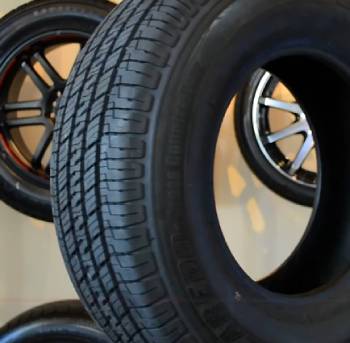
I fitted Uniroyal Laredo AT tires on a light truck and later evaluated them on a compact crossover after reading owner feedback and deciding to test the value all-terrain claim myself.
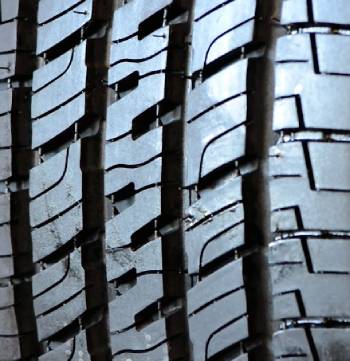
The tread design looked aggressive enough for mixed road and light trail use without appearing overly heavy.
On dry pavement the tires felt stable and tracked predictably during highway driving and city commuting.
Rain traction stood out as a strong point.
The staggered blocks and grooves moved water effectively and gave me confidence in wet corners and during heavier downpours.
Road noise stayed lower than I expected from an all-terrain pattern.
Cabin conversation remained easy at highway speeds and the ride quality felt smoother than many more aggressive mud-terrain options.
I took the tires on gravel roads and mild dirt trails and found the grip adequate for recreational use.
They did not feel as composed as premium all-terrain tires in deeper loose material yet they handled typical weekend conditions without drama.
Wear after several thousand miles appeared even when pressures were maintained properly.
Overall the experience delivered solid everyday manners with useful wet traction and acceptable comfort at a price that undercuts many premium names.
Key factors such as rain performance noise levels tread durability and value shaped my practical impressions.
My months of mixed driving supplied the detailed observations that follow.
Traction Noise and Everyday Road Manners
Traction noise and everyday road manners form the strongest practical strengths of the Uniroyal Laredo AT for mixed driving.
On wet pavement the staggered tread blocks and grooves moved water effectively and gave me clear confidence during heavier rain and on damp highways.
Braking and cornering in the wet felt predictable without the sudden slip I have experienced on worn or-terrain tires.
Dry-road grip stayed stable for normal commuting and highway speeds.
Road noise remained lower than many aggressive all-terrain patterns I have run in the past.
Cabin conversation stayed comfortable at seventy miles per hour and the tires never produced the constant drone that some more open-tread designs create.
Everyday manners felt composed during lane changes and long interstate stretches.
The tires tracked straight and required minimal correction once properly inflated and balanced.
Overall the combination of useful wet traction and controlled noise levels makes the Laredo AT easy to live with for daily driving while still offering light off-road capability.
Wear Durability and Long-Term Value
Wear durability and long-term value remain competitive when basic maintenance is followed.
After several thousand miles of mixed highway city and light gravel use the tread wore evenly across the set.
Proper inflation and regular rotations clearly helped prevent the shoulder wear that shortens life on many all-terrain tires.
The compound appears tuned more for longevity and all-weather grip than for maximum soft-surface adhesion.
Drivers who stay within the load rating and avoid constant heavy off-road abuse can expect solid mileage from the set.
Value stays strong because the initial purchase price undercuts many premium all-terrain options while still delivering usable performance.
Long-term cost of ownership improves when the tires last through multiple seasons without early replacement.
Owners who maintain pressures and rotate on schedule report the best results.
Overall the Laredo AT rewards careful ownership with respectable tread life and a lower entry cost than higher-prestige alternatives.
Ride Comfort Stability and Daily Driving Feel
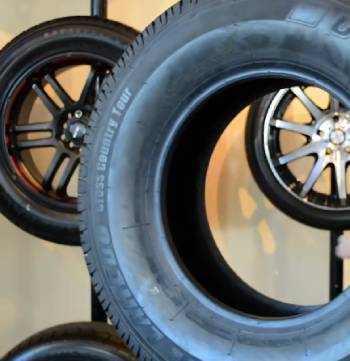
Ride comfort stability and daily driving feel stay smoother than many more aggressive all-terrain designs.
The tires absorbed smaller road imperfections and expansion joints without the harsh feedback some stiff sidewalled all-terrains transmit into the cabin.
Stability at highway speeds felt reassuring with minimal wander when the vehicle was properly aligned.
During city driving the Laredo AT responded predictably to steering inputs and did not feel nervous over broken pavement.
Load support remained adequate for typical light-truck and crossover duties when the correct size and load range were chosen.
Cold-weather firmness appeared in very low temperatures yet the ride never became punishing.
Daily driving comfort benefits from the balanced tread design that prioritizes on-road manners alongside light off-road capability.
Overall the tires deliver a livable blend of control and compliance that suits drivers who spend most of their miles on pavement with occasional unpaved roads.
Maintenance Tips for Best Results
Proper care extends the useful life and performance of Uniroyal Laredo AT tires.
Check inflation pressure at least once a month and before long trips using a quality gauge.
Rotate the tires every six to eight thousand miles to promote even wear across the set.
Inspect the tread regularly for irregular wear patterns stones or damage.
Keep the tires balanced and the vehicle alignment within specification to avoid premature shoulder wear.
Avoid overloading the vehicle beyond the tire load rating.
Store seasonal sets in a cool dry place away from direct sunlight and ozone sources if you remove them.
These habits help the Laredo AT maintain traction and wear characteristics over many miles.
Consistent pressure and rotation remain the two most effective steps for long service life.
Pros and Cons Of Uniroyal Laredo AT
Pros Of Uniroyal Laredo AT
- Strong Wet Traction: Handles rain and wet roads with confidence.
- Reasonable Road Noise: Quieter than many aggressive all-terrain designs.
- Good Value Pricing: Delivers capability without premium cost.
- Stable Highway Manners: Tracks predictably at speed.
- Capable Light Off-Road Grip: Suitable for gravel and mild trails.
- Comfortable Ride Quality: Absorbs smaller bumps better than harsher options.
- Even Wear Characteristics: Holds up well with proper maintenance.
- Attractive Tread Appearance: Looks purposeful on light trucks and crossovers.
- Michelin Ownership Backing: Benefits from established parent company resources.
- Year-Round Versatility: Works across varied weather conditions in many climates.
The Analytical Cons Of Uniroyal Laredo AT
- Not a Premium Soft-Compound Tire: Lacks the ultimate grip of higher-priced all-terrains.
- Limited Deep Off-Road Ability: Struggles in heavy mud or extreme terrain.
- Average Snow Performance: Acceptable in light snow yet not a dedicated winter tire.
- Tread Life Varies with Driving Style: Aggressive use shortens longevity.
- Sidewall Strength Moderate: Less robust than heavy-duty commercial all-terrains.
- Availability Can Differ by Size: Some sizes stock more consistently than others.
- Ride Can Firm Up When Cold: Feels stiffer in very low temperatures.
- Not the Quietest Highway Tire: Still produces more sound than pure touring designs.
- Load Range Options Limited in Some Sizes: Check requirements carefully.
- Resale Perception Lower: Premium brands often hold perceived value better.
Also Read: My Experience With Sumitomo Ice Edge
Uniroyal Laredo AT Vs. Other Brands
- Uniroyal Laredo AT Vs. Goodyear Wrangler All-Terrain
Goodyear Wrangler all-terrain tires carry a strong reputation for durability and off-road capability.
I compared both and found the Goodyear options often felt more confident in deeper loose terrain while the Laredo AT stayed quieter and more comfortable on pavement.
Uniroyal wins on price and everyday road manners.
Goodyear typically costs more and appeals to drivers who prioritize tougher trail performance.
Driving mix and budget determine which direction fits better.
- Uniroyal Laredo AT Vs. BFGoodrich All-Terrain T/A KO2
BFGoodrich KO2 tires are widely regarded as a benchmark for tough all-terrain use.
Side-by-side reality showed the KO2 offering superior sidewall strength and off-road grip while the Laredo AT delivered a quieter ride and lower cost.
Uniroyal focuses on balanced daily usability.
BFGoodrich targets drivers who frequently leave paved roads.
Terrain demands and willingness to pay more guide the choice.
- Uniroyal Laredo AT Vs. Michelin Defender LTX or Similar
Michelin light-truck tires emphasize long wear and on-road refinement.
I found Michelin options generally quieter and longer-wearing on pavement while the Laredo AT provided a more aggressive tread look and better light off-road traction.
Uniroyal benefits from Michelin ownership yet sits in a more value-oriented position.
Michelin commands a higher price for its refinement and tread life focus.
Priority on pure highway longevity versus mixed-use versatility shapes the decision.
- Uniroyal Laredo AT Vs. Falken Wildpeak All-Terrain
Falken Wildpeak tires have gained popularity for balanced on- and off-road performance.
Direct comparison revealed similar wet traction capability with the Wildpeak sometimes feeling more responsive in dirt.
The Laredo AT often cost less and stayed competitive on noise.
Both serve drivers seeking versatile all-terrain behavior without extreme mud-terrain drawbacks.
Price and local availability frequently decide between them.
- Uniroyal Laredo AT Vs. General Grabber A/TX
General Grabber A/TX tires offer another value-oriented all-terrain alternative.
I found both brands delivering comparable everyday traction and comfort.
The Laredo AT edged ahead in some wet-road feedback while the Grabber sometimes offered a slightly more aggressive appearance.
Pricing remains close and performance differences stay modest for most drivers.
Personal preference and current deals often settle the choice.
Also Read: My Experience With General Altimax RT45
Frequently Asked Questions (FAQs)
Uniroyal is owned by Michelin. The Laredo line is produced under the Uniroyal brand.
Uniroyal tires are generally positioned as more value-oriented. Michelin tires typically offer higher refinement and longer wear at a higher price.
Owners often praise the Laredo HT and AT lines for wet traction value and reasonable noise levels while noting they are not premium off-road specialty tires.
Neither brand is universally better. Uniroyal often wins on price and everyday comfort while Goodyear frequently leads in durability perception and tougher terrain capability.
Final Thoughts
I used Uniroyal Laredo AT tires and found them a solid value choice for light truck and crossover drivers who want versatile traction without a premium price.
The main intent remains giving you clear observations on wet performance noise and daily manners so you can decide with realistic expectations.
The tires deliver confident rain grip acceptable comfort and useful light off-road ability.
You now have the detailed experience to determine whether the Laredo AT belongs on your vehicle.