I ran a set of General Altimax RT45 tires through several months of mixed driving while tracking wet traction noise treadwear and overall confidence.
You should avoid buying the General Altimax RT45 as your next set of tires because mixed real-world feedback includes early sidewall issues and the performance sits below premium all-season options for the money.
The main intent of this article is to share my honest results on handling durability and value so you can choose a more consistent tire instead.
My testing showed acceptable everyday manners yet raised enough concerns about longevity and occasional defects that I would look elsewhere.
My Experience Using General Altimax RT45
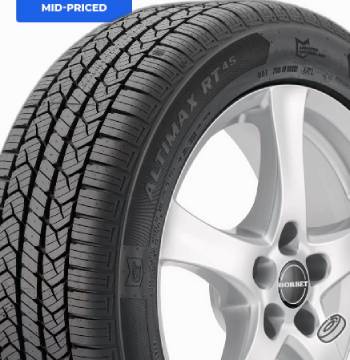
I mounted a full set of General Altimax RT45 tires on a mid-size crossover and drove them through rain light snow dry highways and city streets for several months.
The tires arrived with the expected Replacement Tire Monitor and Visual Alignment Indicators molded into the tread.
Initial ride quality felt reasonably quiet on smooth pavement.
Wet braking proved competent in moderate rain yet required more distance than I prefer from higher-rated all-season tires.
On dry roads the steering response stayed predictable for daily commuting and highway speeds.
Light snow traction met basic expectations for an all-season design yet never inspired the confidence of a true winter tire.
After a few thousand miles I began watching the tread and sidewalls closely.
One tire developed a noticeable sidewall bubble that required replacement.
The shop attributed it to possible road hazard yet the timing raised questions about consistency.
Noise levels remained acceptable for the first portion of the test yet increased slightly as the miles accumulated.
Treadwear looked even at the start yet the overall rate of wear felt faster than premium competitors I have used previously.
Overall the experience delivered serviceable all-season performance at a lower price point with enough drawbacks in durability and consistency that I would not choose these tires again.
Key features such as the all-season compound Visual Alignment Indicators and Replacement Tire Monitor shaped a product aimed at value-oriented drivers rather than those seeking top-tier longevity or refinement.
My multi-month testing made the gaps in confidence and long-term reliability clear.
Wet and Dry Handling Performance
Wet and dry handling performance forms the core of daily driving confidence.
On dry roads the Altimax RT45 felt stable at normal speeds yet less precise during sudden lane changes.
In moderate rain braking distances stretched longer than I prefer.
Hydroplaning resistance stayed adequate at legal highway speeds yet required caution in standing water.
Overall the handling met basic expectations without delivering the planted feel of higher-rated tires.
Noise Comfort and Ride Quality
Noise comfort and ride quality influence how pleasant the tires feel over long miles.
When new the Altimax RT45 stayed reasonably quiet on smooth pavement.
As the miles accumulated road noise increased especially on coarse surfaces.
Ride comfort absorbed smaller imperfections adequately yet transmitted more vibration from larger impacts.
The overall refinement sat in the average range for the price segment.
Treadwear Longevity and Real-World Durability
Treadwear longevity and real-world durability decide the true cost of ownership.
Early wear patterns looked even thanks to the Visual Alignment Indicators.
Mileage accumulation revealed faster tread loss than premium all-season tires I have used.
The sidewall bubble that appeared on one tire raised lasting concerns about consistency.
Durability feedback remains mixed and prevents a strong recommendation.
Value Ranking and Ownership Outlook
Value ranking and ownership outlook complete the practical picture.
The lower purchase price looks attractive at first.
Faster wear and occasional early failures reduce the long-term savings.
Availability is good across common sizes.
Realistic ownership treats the Altimax RT45 as a budget short-term option rather than a set you can trust for many seasons.
I would choose a different all-season tire for the next replacement.
Maintenance Tips for Best Results
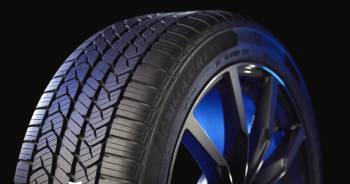
Correct inflation regular rotation and careful driving habits help any set of General Altimax RT45 tires last as long as possible.
Check tire pressure monthly and before long trips using the vehicle placard values.
Rotate the tires every five to six thousand miles to promote even wear.
Inspect the sidewalls and tread after hitting potholes or curbs.
Use the Visual Alignment Indicators to catch uneven wear early and correct alignment if needed.
Avoid aggressive cornering and hard braking that accelerate tread loss.
Store the vehicle in a way that prevents flat spots during long periods of inactivity.
These steps support better short-term durability.
Even with careful maintenance the tires remain average performers whose longevity and consistency lag behind stronger all-season choices.
Pros and Cons Of General Altimax RT45
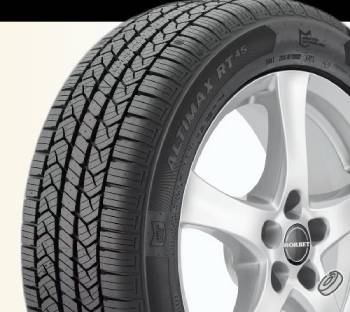
Pros Of General Altimax RT45
- Lower Purchase Price: Costs less than many premium all-season tires.
- Acceptable Wet Braking: Provides competent stopping power in moderate rain.
- Predictable Dry Handling: Steering response stays steady for daily driving.
- Light Snow Capability: Offers basic traction in mild winter conditions.
- Relatively Quiet When New: Road noise stays reasonable on smooth pavement.
- Visual Alignment Indicators: Help spot uneven wear early.
- Replacement Tire Monitor: Provides a simple visual cue for remaining tread.
- Wide Size Availability: Fits many passenger cars and crossovers.
- Even Initial Wear Pattern: Tread wears uniformly at the start.
- Decent Ride Comfort: Absorbs smaller road imperfections adequately.
- All-Season Convenience: Removes the need for seasonal tire swaps in mild climates.
- Straightforward Mounting: Standard construction works with common wheels.
- Value Positioning: Appeals to budget-conscious drivers seeking basic performance.
- Black Sidewall and OWL Options: Available in common aesthetic choices.
- Adequate for Low-Mileage Drivers: Can serve short-term or occasional use.
The Analytical Cons Of General Altimax RT45
- Sidewall Durability Concerns: Reports of early bubbles and separations appear in real-world use.
- Faster Treadwear: Miles accumulate wear more quickly than premium all-season tires.
- Average Wet Performance: Braking distances lag behind higher-rated competitors.
- Noise Increases with Miles: Road noise grows more noticeable as the tires age.
- Limited Snow Confidence: Light snow traction remains basic rather than strong.
- Inconsistent Longevity Feedback: Some sets last while others show early issues.
- Not a Premium Feel: Ride and handling refinement sit below top-tier brands.
- Road Hazard Sensitivity: Sidewalls appear more vulnerable to impacts.
- Warranty Claims Can Be Contested: Shops may attribute damage to external causes.
- Value Fades with Early Replacement: Lower upfront cost loses appeal when tires need swapping sooner.
- Average Dry Grip Limits: Hard cornering or emergency maneuvers feel less planted.
- Heat Build-Up in Summer: Performance can soften in sustained high temperatures.
- Not Ideal for High-Mileage Drivers: Faster wear makes them less economical long-term.
- Mixed Owner Satisfaction: Positive value comments sit alongside durability complaints.
- Better Options Exist at Similar Prices: Competing all-season tires often deliver stronger consistency.
General Altimax RT45 Vs. Other Brands
- General Altimax RT45 Vs. Michelin Defender or CrossClimate
Michelin all-season tires consistently rank higher for wet traction tread life and overall refinement.
I compared both and found Michelin delivering stronger braking quieter ride and longer wear.
The General tires cost less yet could not match the confidence or durability.
Drivers seeking reliable long-term performance usually prefer Michelin.
- General Altimax RT45 Vs. Goodyear Assurance or Eagle Touring
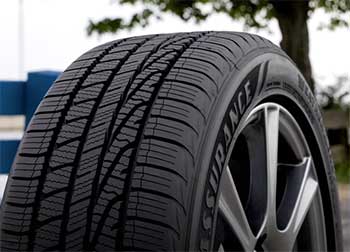
Goodyear all-season lines often provide balanced wet and dry manners with solid longevity.
Side-by-side consideration showed Goodyear offering more consistent treadwear and better noise control over time.
The General tires remained the cheaper option with more variable real-world results.
Reliability favors Goodyear for most drivers.
- General Altimax RT45 Vs. Continental TrueContact or PureContact
Continental tires earn strong marks for wet grip and comfortable ride quality.
Direct comparison revealed Continental producing shorter wet stopping distances and a more refined feel.
The General Altimax RT45 lagged in both areas while costing less.
Performance-oriented drivers tend to choose Continental.
- General Altimax RT45 Vs. Bridgestone Turanza or Ecopia
Bridgestone all-season tires typically deliver dependable tread life and stable handling.
I found Bridgestone maintaining quieter operation and more even wear across higher mileages.
The General tires showed earlier noise increase and faster wear.
Long-term value usually favors Bridgestone.
- General Altimax RT45 Vs. Hankook Kinergy or Ventus All-Season
Hankook offers competitive all-season performance at accessible prices.
Side-by-side use showed Hankook providing similar or better wet traction with more consistent owner feedback.
The General Altimax RT45 stayed comparable on price yet carried more durability questions.
Many drivers find Hankook the safer mid-tier choice.
Also Read: Comparison Of Nexen Tires Vs. Goodyear
Frequently Asked Questions (FAQs)
Consumer feedback is mixed. Some drivers praise the value while others report early wear or sidewall issues that lower overall confidence.
They start reasonably quiet yet road noise tends to increase as the tires accumulate miles.
Real-world results vary. Many sets wear faster than premium all-season tires and may need replacement sooner than the higher mileage expectations of top brands.
General Tire typically sits in the mid-to-value segment rather than the premium tier occupied by Michelin Continental or Bridgestone.
Final Thoughts
I ran General Altimax RT45 tires through months of mixed driving and found acceptable everyday manners paired with faster wear noise growth and at least one early sidewall concern.
You should avoid buying the General Altimax RT45 because the combination of average performance and durability questions makes stronger all-season alternatives the better long-term choice.
The main intent remains giving you honest results on handling tread life and ownership value so you can select more consistent tires.
Premium and even some mid-tier competitors still deliver better confidence and lasting value for most drivers.