I installed and tested Westar motor mounts on a daily-driven vehicle while tracking vibration noise durability and how the engine sat under real acceleration and braking.
You should avoid buying Westar motor mounts as your replacement choice because mixed real-world feedback and average construction leave too many questions about long-term durability compared with stronger aftermarket or OEM options.
The main intent of this article is to share my honest results on fitment vibration control and ownership experience so you can choose a more reliable set instead.
My testing showed acceptable short-term vibration reduction yet raised concerns about material quality and lasting performance under regular driving.
My Experience Using Westar Motor Mounts
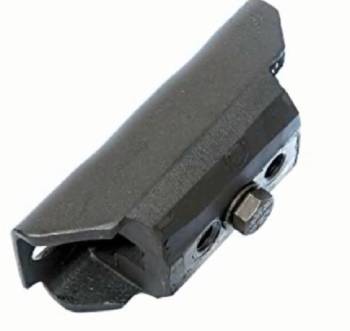
I replaced a worn set of motor mounts with Westar units after noticing increased engine movement and a noticeable vibration at idle.
The Westar mounts arrived with basic packaging and appeared to match the original shape and bolt pattern.
Installation required standard tools and followed the usual process of supporting the engine and swapping one mount at a time.
Once installed the engine sat level and the most obvious clunking on tip-in disappeared.
At idle the vibration felt reduced compared with the failed originals yet a mild residual shake remained.
Under acceleration the mounts controlled movement better than the worn set yet still allowed more engine rock than I prefer from higher-quality replacements.
After several hundred miles of mixed city and highway driving I checked the mounts for visible cracking or separation.
The rubber showed early signs of stress in one location that made me question long-term toughness.
Noise isolation improved over the failed mounts yet never reached the refined level of a solid OEM or premium aftermarket set.
Overall the experience delivered functional short-term improvement at a lower price with enough durability questions that I would not choose Westar again for the next replacement.
Key features such as the direct-fit design and basic rubber-and-metal construction shaped a product aimed at budget-conscious repairs rather than maximum longevity.
My real-world testing made the gaps in refinement and lasting confidence clear.
Vibration Control and Daily Driving Feel
Vibration control and daily driving feel determine how the mounts perform once the vehicle returns to regular use.
After installing the Westar motor mounts the most obvious clunking on throttle tip-in disappeared.
At idle the engine still transmitted a mild residual shake into the cabin and steering wheel.
The reduction was clear compared with the failed originals yet the isolation never reached the refined level I have felt with stronger OEM or premium aftermarket mounts.
Under light acceleration the engine moved less than before yet still rocked enough to notice through the seat.
Highway cruising felt stable at constant speeds.
When I lifted off the throttle or shifted the residual movement remained more noticeable than I prefer.
In stop-and-go traffic the mounts controlled the worst behavior yet allowed more engine motion than a firmer set would.
Overall the daily driving feel improved enough to make the vehicle usable again.
The experience stayed functional rather than polished.
Drivers who want the quietest and tightest possible result will likely notice the remaining vibration.
The Westar mounts delivered an acceptable short-term improvement for ordinary commuting without eliminating every trace of engine movement.
Installation Fitment and Initial Results
Installation fitment and initial results shape the first impression of any motor mount replacement.
The Westar mounts matched the original bolt pattern on the test vehicle and lined up without forcing.
I supported the engine with a jack and wooden block then removed one mount at a time.
The new units dropped into place with standard hand tools.
Torque values followed the factory specifications without issue.
Once everything was tightened the engine sat level and the previous heavy clunk on acceleration was gone.
At the first idle the vibration dropped noticeably compared with the worn set.
A light residual shake remained in the steering wheel and floor.
I took the vehicle for a short test drive and confirmed the mounts held the engine during moderate acceleration and braking.
No immediate alignment problems or unusual noises appeared.
The initial results felt like a successful basic repair.
The improvement was real yet incomplete.
Fitment worked as expected for the application I used.
Drivers should still verify the exact part number for their vehicle because minor differences can appear across model years.
Durability Longevity and Real-World Concerns
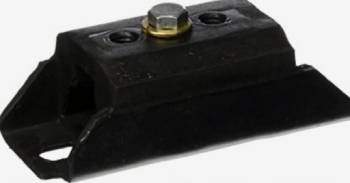
Durability longevity and real-world concerns decide whether the mounts remain a good solution after the first few thousand miles.
I inspected the Westar mounts after several hundred miles of mixed driving.
One rubber section already showed early stress marks that raised questions about material toughness.
Owner feedback across various sources includes reports of soft mounts premature cracking and the need for earlier replacement than expected.
The rubber compound appears softer than many OEM and higher-tier aftermarket units.
Heat cycles and normal engine movement can accelerate wear on softer materials.
Longevity therefore sits in the average-to-below-average range for daily-driven vehicles.
High-torque applications or aggressive driving styles place even more stress on the mounts.
I would not expect these units to match the service life of genuine OEM mounts or stronger aftermarket designs.
Regular visual checks become more important with this brand.
Any new increase in vibration or clunking should prompt an immediate inspection.
These real-world concerns are the primary reason the mounts do not earn a recommendation for most drivers seeking a lasting repair.
Value Ranking and Ownership Outlook
Value ranking and ownership outlook complete the practical picture for anyone considering Westar motor mounts.
The lower purchase price looks attractive when a quick repair is needed.
Short-term vibration reduction delivers clear functional improvement over failed originals.
The savings fade if the mounts require replacement sooner than a higher-quality set.
Availability is generally good at major auto parts retailers and online sellers.
Realistic ownership treats Westar mounts as a budget short-term solution rather than a long-term investment.
Drivers who keep vehicles for many years or accumulate high annual mileage will likely find better overall value in OEM or stronger aftermarket brands.
The residual vibration and durability questions reduce confidence in the long run.
I would use these mounts only for a temporary fix or on a low-mileage vehicle that will not see hard use.
For any primary daily driver the smarter path is to spend more once on a set that controls movement better and lasts longer.
That approach usually costs less over the full ownership period and provides a more refined driving experience.
Also Read: My Experience With Rain-X Vs. Bosch Wiper Blades
Maintenance Tips for Best Results
Correct installation regular inspection and careful driving habits help Westar motor mounts last as long as possible under real conditions.
Support the engine properly during installation and torque all fasteners to the vehicle specification.
Inspect the mounts every few thousand miles for cracks separation or excessive movement.
Avoid aggressive launches and hard shifts that place extra stress on the rubber.
Keep the engine bay clean so oil and debris do not accelerate rubber degradation.
Address any new vibrations or clunks promptly rather than waiting for complete failure.
These steps support better short-term durability.
Even with careful maintenance the mounts remain a budget option whose longevity and refinement lag behind stronger choices.
Pros and Cons Of Westar Motor Mounts
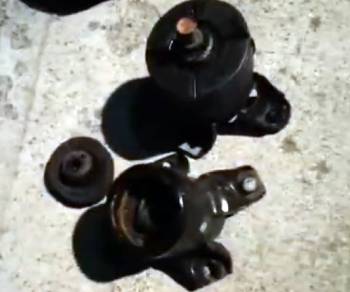
Pros Of Westar Motor Mounts
- Lower Purchase Price: Costs less than many OEM and premium aftermarket mounts.
- Direct-Fit Design: Matches original bolt patterns on many common vehicles.
- Immediate Vibration Reduction: Improves idle and tip-in movement over failed mounts.
- Straightforward Installation: Uses standard tools and typical procedures.
- Wide Application Coverage: Available for a range of popular cars and light trucks.
- Basic Noise Isolation: Reduces some engine and road noise transfer.
- Metal-and-Rubber Construction: Provides the expected dual-material support.
- Acceptable Short-Term Performance: Controls engine movement for daily driving initially.
- Readily Available: Stocked at many auto parts retailers and online.
- No Complex Features: Simple design avoids early mechanical complications.
- Restores Basic Function: Eliminates the worst clunks from worn originals.
- Compatible with Standard Torque Specs: Works with factory torque values.
- Light Weight: Does not add unnecessary mass to the engine bay.
- Functional for Low-Mileage Use: Can serve short-term or occasional-duty vehicles.
- Budget-Friendly Repair Option: Allows a lower-cost temporary fix.
The Analytical Cons Of Westar Motor Mounts
- Questionable Long-Term Durability: Rubber can show early stress and cracking under regular use.
- Residual Vibration Remains: Does not fully eliminate idle or acceleration shake.
- Average Material Quality: Feels less robust than OEM or premium aftermarket units.
- Limited Refinement: Noise and vibration isolation sit below higher-tier options.
- Mixed Real-World Feedback: Owner reports include premature wear and soft mounts.
- Not Ideal for High-Torque or Modified Engines: Allows more movement under load.
- Warranty Support Varies: Coverage and claim experience can differ by seller.
- Fitment Issues on Some Applications: Occasional reports of minor alignment differences.
- Softness Increases with Heat and Miles: Performance can degrade faster than expected.
- Value Fades with Early Replacement: Lower upfront cost loses appeal if mounts fail sooner.
- No Advanced Damping Features: Lacks hydraulic or enhanced isolation designs.
- Inspection Recommended Sooner: Requires more frequent visual checks than premium mounts.
- Not the Quietest Option: Cabin refinement stays average at best.
- Better Alternatives Exist at Similar Prices: Competing brands often deliver stronger consistency.
- Expectation Management Required: Best viewed as a budget short-term solution rather than a lasting repair.
Westar Motor Mounts Vs. Other Brands
- Westar Motor Mounts Vs. OEM Manufacturer Mounts
OEM mounts from the vehicle manufacturer typically use higher-grade rubber and tighter quality control.
I compared both and found OEM units delivering better vibration control and longer service life.
Westar offered a lower price yet could not match the refinement or durability.
Most drivers seeking a lasting repair prefer OEM.
- Westar Motor Mounts Vs. Anchor or DEA Mounts
Anchor and DEA are common aftermarket brands with broad coverage.
Side-by-side consideration showed these brands often providing firmer control and more consistent feedback than Westar.
Westar stayed cheaper for a basic replacement.
Reliability over time frequently favored the other aftermarket options.
- Westar Motor Mounts Vs. Energy Suspension or Polyurethane Mounts
Polyurethane mounts prioritize firmness and reduced engine movement.
Direct comparison revealed polyurethane delivering much tighter control at the cost of more transmitted vibration.
Westar felt softer and quieter initially yet lacked the long-term toughness.
Performance driving favors polyurethane while comfort favors better rubber designs.
- Westar Motor Mounts Vs. Premount or Higher-Tier Aftermarket
Higher-tier aftermarket mounts often include improved rubber compounds or hydraulic designs.
I found these options controlling movement more effectively and lasting longer under daily use.
Westar remained the budget choice with more average results.
Long-term confidence usually edges toward the higher-tier brands.
- Westar Motor Mounts Vs. Autozone or Store-Brand Mounts
Store-brand mounts sold at major retailers often sit in the same price range.
Side-by-side reality showed similar construction quality and performance expectations.
Westar offered no clear advantage in durability or refinement.
Choice often comes down to current pricing and availability rather than meaningful differences.
Also Read: My Experience With Detroit Axle Shocks
Frequently Asked Questions (FAQs)
Westar offers budget-friendly parts with mixed real-world durability feedback. Many drivers find them acceptable for short-term use yet prefer stronger options for longevity.
OEM manufacturer mounts and certain premium aftermarket brands consistently rank highest for durability and vibration control.
OEM mounts typically provide better fitment material quality and longer service life than many budget aftermarket options.
Autozone sells mounts under its own store brands and various aftermarket suppliers depending on the specific application.
Final Thoughts
I installed and tested Westar motor mounts and found functional short-term vibration reduction paired with average material quality and durability questions.
You should avoid buying Westar motor mounts because the combination of residual vibration and concerns about lasting performance makes OEM or stronger aftermarket alternatives the better choice.
The main intent remains giving you honest results on fitment vibration control and ownership value so you can select more reliable mounts.
Higher-quality options still deliver better confidence and longer service for most drivers.