I used the Garmin Striker 4 after looking for a simple reliable fish finder that could work for both open water and ice fishing and found it worth buying for the price.
The main intent of this article is to share my real experience with sonar clarity ease of use and everyday performance so you can decide whether this unit fits your fishing needs.
You will see clear pros cons and practical comparisons based on actual time on the water rather than marketing claims.
My Experience Using the Garmin Striker 4
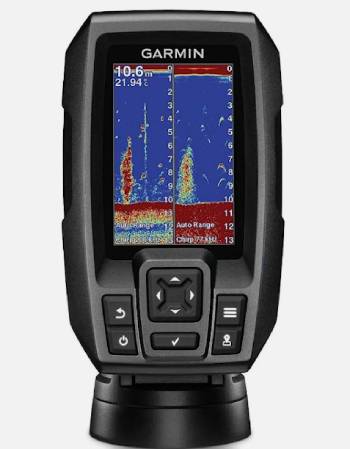
I started with the Garmin Striker 4 portable kit after researching affordable options for ice fishing and small-boat use.
The keyed interface felt straightforward from the first power-up.
Dedicated buttons made adjusting sensitivity range and zoom quick even with gloves on.
CHIRP sonar produced clearer fish arches and better separation than older single-frequency units I had used.
I could mark a 1/16-ounce jig with little trouble and watch how fish reacted to different jigging motions.
The traditional sonar view quickly became my preferred screen because it left a useful history trail.
On the ice the included transducer worked once I positioned it properly in the hole.
Battery life held up through multi-hour sessions in cold weather when the unit was not left running at maximum brightness the entire time.
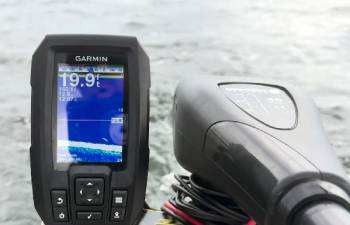
I also mounted the same unit on a small john boat and a kayak during warmer months.
The waypoint map let me mark brush piles docks and productive spots and return to them later.
Sunlight readability stayed acceptable when the backlight and color settings were adjusted.
Overall the Striker 4 delivered dependable basic sonar performance in a simple package that worked across seasons.
Key factors such as target separation ease of operation battery endurance and dual-season usefulness shaped my positive impressions.
My months of ice and open-water use supplied the detailed observations that follow.
Sonar Clarity Target Separation and Real Fishing Results
Sonar clarity target separation and real fishing results form the strongest practical advantage of the Garmin Striker 4.
CHIRP technology sends a continuous range of frequencies and produces cleaner arches than older single-frequency units.
I could distinguish fish near the bottom from the bottom itself with less clutter on the screen.
Small jigs such as a 1/16-ounce ice fishing lure appeared clearly once sensitivity was dialed in.
Watching the history trail on traditional sonar let me see how fish responded to different jigging motions in real time.
On open water the same clarity helped me identify suspended fish and bait schools with useful detail.
Target separation stayed strong enough for practical decisions about where to drop a line.
The unit is not a high-end imaging machine yet it delivers readable accurate information that directly improves time on the water.
Overall the sonar performance punches above the price and gives anglers reliable data they can act on immediately.
Ease of Use Portability and Seasonal Versatility
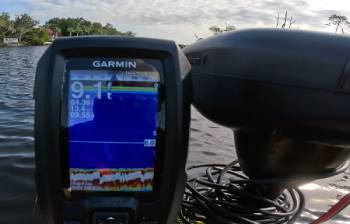
Ease of use portability and seasonal versatility make the Striker 4 practical for a wide range of anglers.
The keyed interface with dedicated buttons feels intuitive even when wearing gloves in cold weather.
Menus stay simple and common adjustments such as range sensitivity and zoom require only a few presses.
The portable kit version packs into a soft case with a battery and becomes an easy grab-and-go system for ice fishing.
The same unit mounts quickly on a small boat or kayak for open-water days.
I used it across winter ice sessions and summer trips without needing a second fish finder.
Waypoint marking lets me save productive spots and return later in either season.
The compact size and straightforward controls lower the barrier for beginners while still serving experienced anglers who want a backup or simple primary unit.
Overall the combination of simple operation and dual-season flexibility is one of the unit’s most useful traits.
Value Battery Life and Long-Term Ownership
Value battery life and long-term ownership remain strong reasons many anglers keep the Striker 4 in service for years.
The purchase price delivers clear CHIRP sonar a usable display and portable capability without approaching the cost of mid-range or premium units.
Battery performance in the portable kit held up through multi-hour ice fishing sessions when brightness was managed reasonably.
Charging after each trip and storing the battery correctly preserved capacity across seasons.
Owners who rinse the transducer after saltwater use and keep the unit dry report consistent operation over multiple years.
Software remains basic yet stable and the hardware has proven durable in normal fishing conditions.
Long-term cost of ownership stays low because the unit does not require expensive add-ons for core functions.
For anglers who want reliable sonar without ongoing complexity or high expense the Striker 4 continues to make practical sense.
Overall the balance of performance price and dependable service life supports continued ownership for both new and experienced users.
Maintenance Tips for Best Results
Proper care keeps the Garmin Striker 4 working reliably across seasons.
Rinse the transducer and unit with fresh water after saltwater use and dry everything before storage.
Charge the portable battery after each trip and store it partially charged during long off-seasons.
Inspect the transducer cable for nicks or stiffness and replace it if damage appears.
Keep the screen clean with a soft microfiber cloth and avoid abrasive cleaners.
Update the unit software when Garmin releases improvements through the available connection methods.
Store the portable kit in a dry place away from extreme heat or direct sunlight.
These simple steps protect the sonar performance and battery life over multiple seasons.
Consistent rinsing and careful battery handling remain the most effective habits for long service.
Pros and Cons Of Garmin Striker 4
Pros Of Garmin Striker 4
- Clear CHIRP Sonar: Produces sharper fish arches and better target separation.
- Simple Keyed Interface: Easy to operate with dedicated buttons.
- Built-in Flasher Mode: Useful for ice fishing and vertical jigging.
- Waypoint Mapping: Lets you mark and return to productive spots.
- Portable Kit Option: Includes battery and soft case for ice or kayak use.
- Good Value Price: Delivers solid performance without high cost.
- Dual-Season Versatility: Works for ice fishing and open water.
- Compact Display Sizes: Available in 3.5-inch and larger options.
- Easy Installation: Straightforward setup on small boats or portable mounts.
- Reliable Basic Performance: Consistent results for the money.
The Analytical Cons Of Garmin Striker 4
- Small Screen on Base Model: 3.5-inch display limits detail for some users.
- No Networking or Advanced Mapping: Lacks features found on higher units.
- Transducer Not Ice-Specific: Requires improvisation for ideal ice-hole positioning.
- Battery Charging Less Convenient: Power cables differ from the charger connection.
- Limited Screen Real Estate: Split views feel cramped on the smallest size.
- Basic GPS Only: Waypoint map is simple rather than full chart plotting.
- Cold-Weather Cord Stiffness: Transducer cable can become less flexible in deep cold.
- No Built-in Battery Gauge on Some Kits: Requires external monitoring.
- Entry-Level Power: 200-watt RMS limits extreme deep-water performance.
- Carry Handle Design: Soft-case handle can feel awkward with heavy gloves.
Also Read: My Experience With Garmin Striker Vivid 5cv
Garmin Striker 4 Vs. Other Brands
- Garmin Striker 4 Vs. Humminbird PiranhaMAX or HELIX Entry Models
Humminbird entry-level units often include strong down-imaging options.
I compared both and found the Striker 4 simpler to operate while some Humminbird models offered more detailed imaging views.
Garmin wins on pure CHIRP clarity and ease of button use for beginners.
Humminbird can feel more feature-rich at similar prices yet the menu systems are sometimes more complex.
Preference for simplicity versus imaging detail guides the choice.
- Garmin Striker 4 Vs. Lowrance Hook Reveal or Elite FS
Lowrance units frequently emphasize high-resolution Active Imaging and mapping.
Side-by-side use showed Lowrance delivering stronger side and down views while the Striker 4 stayed easier for quick adjustments.
Garmin offers a lower entry price and very straightforward operation.
Lowrance appeals more to anglers who want advanced imaging and mapping from the start.
Budget and desired feature depth determine the better fit.
- Garmin Striker 4 Vs. Higher Garmin Striker or EchoMap Models
Higher Garmin units add larger screens ClearVü or SideVü and full chart capabilities.
I found the step up worthwhile for serious open-water anglers yet the basic Striker 4 still covered ice fishing and small-boat needs effectively.
The Striker 4 remains the value leader for simple reliable sonar.
Premium Garmin models justify the higher cost when screen size and mapping matter more.
Fishing style and budget decide whether the extra features are necessary.
- Garmin Striker 4 Vs. Vexilar or Dedicated Ice Flashers
Dedicated ice flashers such as Vexilar are purpose-built for vertical fishing.
Direct comparison revealed flashers offering instantaneous response while the Striker 4 provided useful history and the ability to switch to traditional sonar.
Garmin wins on dual-season versatility and lower cost for a complete portable kit.
Dedicated flashers still feel more specialized for pure ice anglers who never leave the hard water.
Seasonal focus shapes the decision.
- Garmin Striker 4 Vs. Budget No-Name Fish Finders
Generic budget finders often look similar on paper yet lack refined CHIRP processing.
I found the Striker 4 clearly superior in target separation and screen clarity.
Garmin provides better software support and more consistent real-world results.
Cheap unknowns may save a few dollars yet frequently frustrate with poor arches and unreliable performance.
Proven sonar quality favors the Striker 4.
Also Read: Comparison Of Garmin Striker Vs. Echomap
Frequently Asked Questions (FAQs)
Yes. It delivers clear CHIRP sonar and useful features at a price that makes sense for beginners and casual anglers.
Both brands offer strong options. Garmin often feels simpler to operate while Humminbird can provide more imaging detail depending on the model.
The Striker 4 series frequently ranks as one of the strongest value choices for basic reliable sonar.
Yes. CHIRP sonar produces clear fish arches and shows targets including small jigs when sensitivity is set correctly.
Final Thoughts
I used the Garmin Striker 4 and found it a practical reliable fish finder that delivers clear sonar without unnecessary complexity.
The main intent remains giving you clear observations on performance ease of use and value so you can decide with realistic expectations.
The unit works well for ice fishing small boats and kayaks while staying easy to operate.
You now have the detailed experience to determine whether the Striker 4 belongs in your fishing kit.