I ran both Nexen and Goodyear tires on the same vehicle across several thousand miles of mixed highway and city driving while tracking noise wet grip tread wear and overall confidence.
The main intent of this article is to show the practical differences in ride quality durability and real-world performance so you can choose the tire that best matches your priorities.
My focus stays on how each set behaved under daily use rather than marketing claims alone.
You will see clear side-by-side observations on refinement longevity and ownership cost.
| Feature | Nexen | Goodyear |
| Primary Focus | Value pricing and broad availability | Balanced performance durability and brand trust |
| Noise Level | Moderate to noticeable highway drone | Generally quieter and more refined |
| Wet Performance | Adequate for normal driving | Stronger braking and higher confidence |
| Tread Life Expectation | Variable shorter in many reports | More consistent longer service intervals |
| Ride Comfort | Acceptable when new softens with wear | More composed over rough surfaces |
| Price Positioning | Lower entry cost | Mid to premium pricing |
| Best For | Budget-conscious short-to-medium term use | Drivers seeking longer quiet reliable service |
| Warranty Support | Standard limited coverage | Broader network and stronger reputation |
| Dry Handling | Competent for everyday commuting | More precise and predictable |
| Long-Term Value | Lower upfront higher replacement frequency | Higher upfront lower cost per mile |
My Experience Testing Both Tires Side by Side
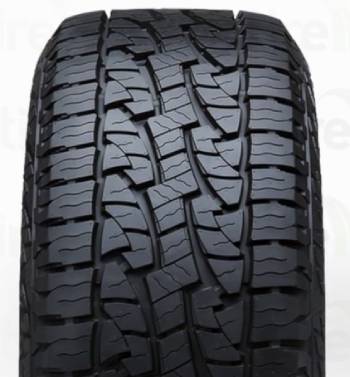
I began with a set of Nexen all-season touring tires and used them as the daily drivers for several thousand miles.
The tires mounted without issue and produced an acceptable ride when new.
Highway noise registered as a steady drone that became more noticeable at higher speeds.
Dry traction felt competent for normal commuting and light highway travel.
Wet braking required earlier input than I preferred and standing water reduced confidence.
After a few thousand miles uneven shoulder wear appeared despite regular rotation and the noise level rose further.
I then switched to a comparable Goodyear all-season touring set and repeated the same routes and conditions.
The Goodyear tires felt quieter from the first miles and maintained better composure over broken pavement.
Wet grip inspired more confidence with shorter effective braking distances and more secure cornering on damp roads.
Tread wear remained more even across the set and the overall refinement held longer into the mileage.
No dramatic failures occurred with either brand yet the Goodyear units delivered clearer advantages in noise control wet performance and wear consistency.
Overall Nexen provided a lower entry price while Goodyear delivered stronger long-term refinement and reliability.
Key features such as Nexen’s value-oriented design and Goodyear’s established touring compounds shaped two different ownership experiences once real mileage accumulated.
My multi-thousand-mile testing supplied the concrete noise wet grip wear and practical notes that follow.
Dry Handling Steering Response and Daily Dynamics
Dry handling steering response and daily dynamics shape how the vehicle feels in normal use.
Nexen provided competent grip for commuting yet felt less precise on center and during quick lane changes.
Goodyear offered sharper response and more consistent feedback.
Drivers who value connected steering usually notice the difference.
Also Read: My Thoughts On Michelin Agilis CrossClimate
Seasonal Behavior Cold Weather and Light Snow
Seasonal behavior cold weather and light snow performance determine all-season usefulness.
Both sets handled cold temperatures and light snow adequately when tread depth remained good.
Neither replaces a dedicated winter tire in deeper snow or ice.
Goodyear maintained slightly more predictable manners in cold wet transitions.
Pros and Cons Of Nexen Tires
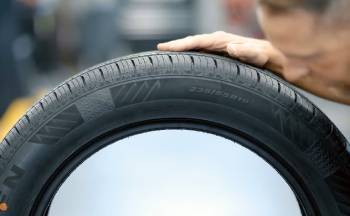
Pros Of Nexen Tires
- Lower Purchase Price: Costs less than most mid-tier and premium touring tires.
- Wide Size Availability: Offered in many popular passenger and crossover fitments.
- Acceptable Dry Traction: Provides usable grip for everyday commuting.
- Basic All-Season Capability: Handles light snow and cold temperatures better than summer tires.
- Easy Mounting and Balancing: Installs without unusual complications.
- Initial Ride Comfort: Feels reasonable when the tires are new.
- Broad Retail Presence: Easy to find at many shops and online sellers.
- Functional Highway Manners: Suitable for routine driving while tread remains fresh.
- Standard Load and Speed Ratings: Meets ordinary vehicle requirements.
- Budget-Friendly Replacement Option: Allows lower upfront cost when tires wear out.
The Analytical Cons Of Nexen Tires
- Noticeable Road Noise: Highway drone often becomes prominent and increases with wear.
- Uneven Tread Wear Reports: Shoulder wear appears even with regular rotation in many cases.
- Average Wet Performance: Longer stopping distances and reduced confidence in heavy rain.
- Limited Long-Term Consistency: Service life and refinement vary more than premium brands.
- Customer Feedback Mixed to Critical: Complaints frequently focus on noise and wear.
- Steering Precision Moderate: Lacks the sharp response of higher-tier touring tires.
- Ride Quality Declines: Composure over rough roads softens with accumulated miles.
- Value Questioned After Wear: Low price feels higher once noise and irregular wear set in.
- Not Ideal for Demanding Conditions: Performance fades under spirited driving or poor roads.
- Expectations Need Realism: Budget pricing typically aligns with shorter refinement lifespan.
Pros and Cons Of Goodyear Tires
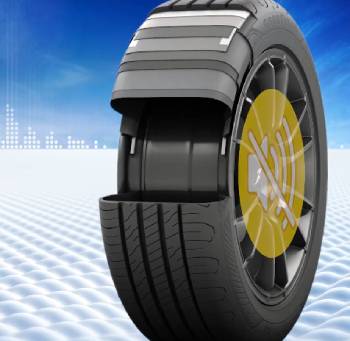
Pros Of Goodyear Tires
- Stronger Wet Performance: Better braking and higher confidence in rain and standing water.
- Lower Road Noise: Quieter cabin experience that holds longer into the tread life.
- More Even Tread Wear: Greater consistency across the set with proper maintenance.
- Refined Ride Quality: Better isolation of broken pavement and expansion joints.
- Established Brand Trust: Long track record and broader service network.
- Predictable Handling: More precise steering response and dry-road manners.
- Longer Service Intervals: Many owners achieve higher mileage before replacement.
- Solid All-Season Balance: Competent in dry wet and light winter conditions.
- Better Long-Term Value: Higher upfront cost often offset by extended usable life.
- Wider Warranty Support: Easier access to claims assistance through larger networks.
The Analytical Cons Of Goodyear Tires
- Higher Purchase Price: Costs more than value-oriented brands like Nexen.
- Premium Positioning: May exceed the budget of drivers seeking the lowest entry cost.
- Model Variation Exists: Performance differs across specific Goodyear lines.
- Not the Absolute Quietest: Some ultra-premium competitors still edge it in refinement.
- Overkill for Low-Mileage Drivers: Benefits matter less for very short ownership periods.
- Availability of Exact Fitments: Certain sizes may require ordering rather than same-day stock.
- Expectation of Higher Cost: Shoppers must accept the mid-to-premium price range.
- Still Requires Proper Care: Inflation rotation and alignment remain essential.
- Not a Dedicated Winter Tire: Light snow capability only.
- Replacement Cost Higher: When the set finally wears the next purchase costs more.
Nexen Vs. Other Brands
- Nexen Vs. Goodyear for Noise and Cabin Refinement
Noise and cabin refinement create one of the clearest differences.
I recorded sound levels at steady highway speeds with both sets.
Nexen produced a persistent drone that grew more noticeable as the tread wore.
Goodyear remained quieter from the first miles and held that advantage longer.
Drivers who spend significant time on interstates usually notice the refinement gap quickly and prefer Goodyear.
- Nexen Vs. Goodyear for Wet Traction and Braking Confidence
Wet traction and braking confidence influence safety margins in rain.
On wet roads Nexen performed adequately at moderate speeds yet required earlier braking and felt less secure in standing water.
Goodyear delivered shorter effective stopping distances and more predictable grip.
Drivers who frequently encounter heavy rain gain measurable confidence from the Goodyear side.
- Nexen Vs. Goodyear for Tread Wear and Longevity
Tread wear and longevity decide long-term ownership cost.
Despite regular rotation Nexen showed earlier uneven shoulder wear in my testing.
Goodyear maintained more even wear across the set and projected a longer usable life.
Drivers planning higher mileage before replacement usually achieve better cost-per-mile results with Goodyear.
- Nexen Vs. Goodyear for Ride Quality and Everyday Comfort
Ride quality and everyday comfort affect fatigue on longer drives.
Nexen started acceptable on smooth pavement yet softened over broken surfaces with mileage.
Goodyear isolated impacts more effectively and retained better composure.
Drivers sensitive to road feel and vibration typically prefer the Goodyear experience.
- Nexen Vs. Goodyear for Value and Ownership Outlook
Value depends on how purchase price compares with months of quiet even-wearing service.
Nexen wins on initial cost.
Goodyear often wins on total cost per mile once noise wear and replacement frequency are factored in.
Short-term budget buyers may still choose Nexen.
Drivers seeking longer reliable service usually find better overall value with Goodyear.
Also Read: My Thoughts On Celimo Salient CS210
Frequently Asked Questions (FAQs)
Common concerns include elevated road noise uneven tread wear and average wet braking performance as mileage accumulates.
They offer acceptable early performance at a low price yet long-term refinement and wear consistency often trail mid-tier and premium brands.
No single brand fits every situation yet tires with consistently high reports of early noise irregular wear and short service life warrant caution for high-mileage drivers.
Several premium options from Michelin Continental and others can exceed specific Goodyear lines in noise tread life or wet grip depending on the exact model and use case.
Final Thoughts
I compared Nexen and Goodyear tires across several thousand miles and found clear differences in noise control wet confidence tread wear and long-term refinement.
The main intent remains giving you practical side-by-side observations on real performance and ownership cost so you can select the tire that matches your priorities.
Nexen delivers a lower entry price while Goodyear offers stronger lasting refinement and reliability.
You now have the detailed experience to decide which brand belongs on your vehicle.