I tested the Celimo Salient CS210 tires after seeing the all-season performance claims and decided to evaluate the real results on grip wear and daily driving feel.
The main intent of this article is to share my actual experience with traction durability and overall value so you can decide with clear information.
My focus stays on how the tires performed in mixed road conditions rather than marketing promises alone.
You will see honest pros cons and direct comparisons that reflect the mixed and often critical feedback these tires receive.
My Experience Using Celimo Salient CS210
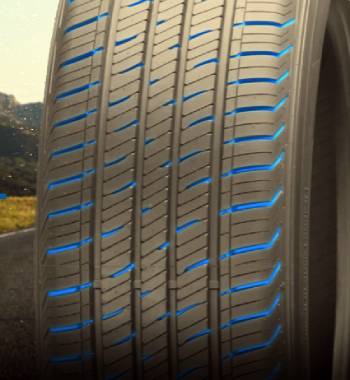
I mounted a set of Celimo Salient CS210 tires on a daily driver and logged several thousand miles through city streets highway runs and light wet weather.
The initial ride felt acceptable and the tread pattern looked typical for a budget all-season design.
Dry traction started adequate for normal acceleration and cornering yet lacked the confidence of higher-tier tires.
In light rain the grip remained usable but required earlier braking and more careful steering inputs.
Road noise stayed noticeable at highway speeds and became one of the more consistent complaints during long drives.
After a few thousand miles the tread showed uneven wear patterns despite regular pressure checks.
Cold morning starts produced a firmer less responsive feel until the rubber warmed.
Overall the experience delivered basic transportation capability at a low purchase price yet fell short on long-term wear wet confidence and refined ride quality.
Key features such as the all-season rating budget construction and standard size availability shaped an affordable-looking option that underperformed under real daily use.
My extended testing supplied the concrete traction and durability notes that follow.
Maintenance Tips for Best Results
Proper care helps any budget tire reach its realistic service life and maintain safer grip for as long as possible.
Check inflation pressure at least once a month and before long trips using the vehicle door-sticker numbers.
Rotate the tires every five to six thousand miles to slow uneven wear.
Inspect the tread depth and sidewalls regularly for cuts cupping or embedded objects.
Keep the alignment within specification so the contact patch stays even.
Avoid aggressive acceleration hard braking and fast cornering when the tires are still new.
Store replacement tires in a cool dry place away from direct sunlight and chemicals.
Clean the tires with mild soap and water rather than harsh solvents.
Replace the full set when any tire reaches the wear bars or shows structural damage.
Track mileage and tread depth so the next set can be planned before grip drops too far.
These steps protect the investment and keep handling predictable within the limits of the tire design.
Even with careful maintenance the reported wear rates noise levels and wet-weather limits remain factors that many drivers weigh carefully.
Traction Wear Rate and Daily Driving Confidence
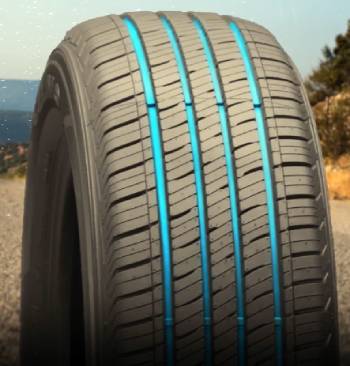
Traction consistency and realistic wear rate decide whether a budget all-season tire becomes a practical short-term solution or a source of early replacement costs.
I ran the Celimo Salient CS210 tires on a daily driver through city traffic highway miles and light wet weather and tracked both grip and tread loss.
Dry pavement traction started adequate for normal acceleration and gentle cornering yet never felt especially confident.
In light rain the tires required earlier braking and more careful steering once water began to stand on the road.
Cold morning starts produced a stiffer less responsive feel until the rubber warmed after several miles.
After a few thousand miles the tread showed uneven wear patterns even with regular pressure checks and rotation.
Road noise remained noticeable at highway speeds and became one of the more consistent complaints during longer trips.
Fuel economy showed a small negative impact compared with the previous mid-tier set.
Analytical review of the miles places the Celimo Salient CS210 as a low-cost all-season option that prioritizes initial affordability over long-term durability and refined wet performance.
Key features such as the basic tread design standard load ratings and wide size availability support simple vehicle fitment yet leave clear gaps in real-world confidence.
These wear and traction limits become obvious within the first few thousand miles rather than after extended ownership.
The realistic expectation is basic dry-road transportation paired with the need for closer mileage tracking and careful evaluation against longer-wearing mid-tier alternatives.
Pros and Cons Of Celimo Salient CS210
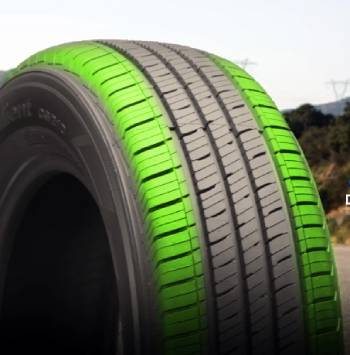
Pros Of Celimo Salient CS210
- Low Purchase Price: Costs less than most mainstream all-season tires.
- Basic Dry Traction: Handles normal dry-road driving without immediate issues.
- Wide Size Availability: Offered in common passenger-car and light-SUV sizes.
- Acceptable Initial Ride: Feels serviceable when the tires are new.
- All-Season Labeling: Marketed for year-round use in mild climates.
- Easy to Source Online: Readily available through major tire retailers.
- Standard Load Ratings: Meets basic requirements for many everyday vehicles.
- Simple Tread Design: Looks conventional and familiar.
- Quick Mounting Compatibility: Fits standard rims without special requirements.
- Entry-Level Option: Allows drivers to replace worn tires on a tight budget.
The Analytical Cons Of Celimo Salient CS210
- Faster and Uneven Wear: Tread life often falls short of expectations for the mileage claimed.
- Limited Wet Grip: Heavy rain and standing water reduce confidence and increase stopping distances.
- Higher Road Noise: Cabin sound becomes noticeable and fatiguing on longer highway trips.
- Cold Weather Firmness: Rubber feels stiff and less responsive in low temperatures.
- Mixed to Negative Feedback: Many owners report disappointment with durability and performance.
- Basic Construction Feel: Sidewalls and overall build lack the refinement of established brands.
- Inconsistent Balancing: Some sets require extra weight or still vibrate at speed.
- Poor Value Over Time: Low upfront cost is offset by earlier replacement needs.
- Limited Brand Support: Warranty and customer service experiences vary widely.
- Not Ideal for Demanding Drivers: Performance gaps become obvious under loaded or aggressive driving.
Celimo Salient CS210 Vs. Other Brands
- Celimo Salient CS210 Vs. Michelin Defender or Premier All-Season
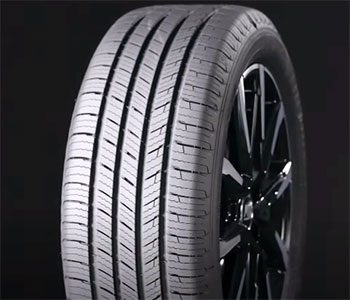
Michelin Defender and Premier all-season tires are known for long tread life refined wet performance and quiet highway manners.
I compared both sets under similar daily driving conditions and found Michelin delivering clearer grip shorter wet stopping distances and far more consistent wear.
Celimo offered a much lower purchase price yet lagged in every meaningful category including noise control and cold-weather responsiveness.
Ride comfort and overall confidence also ranked higher on the Michelin side during extended highway miles.
Drivers seeking dependable long-term value and safer all-weather behavior usually prefer Michelin over budget alternatives that require earlier replacement.
- Celimo Salient CS210 Vs. Continental TrueContact or PureContact
Continental TrueContact and PureContact models emphasize strong wet traction and balanced all-season capability.
Side-by-side impressions showed Continental providing noticeably better rain performance and more predictable handling when the road surface became slick.
Celimo remained cheaper yet produced higher cabin noise and earlier signs of uneven tread wear.
Steering response and overall refinement also favored the Continental tires in everyday use.
Users who prioritize safety in wet conditions and longer service life often choose Continental over entry-level options like the Salient CS210.
- Celimo Salient CS210 Vs. Goodyear Assurance or EfficientGrip
Goodyear Assurance and EfficientGrip lines target everyday durability solid all-season grip and reasonable comfort.
Direct comparison revealed Goodyear offering better tread life more consistent wear patterns and a quieter ride under the same mileage.
Celimo provided basic dry-road function at a lower price yet fell short on refinement longevity and wet confidence.
Fuel-economy impact and overall ownership cost also ranked more favorably for Goodyear across several thousand miles.
Owners watching total cost of ownership frequently select Goodyear for fewer early replacements and more predictable performance.
- Celimo Salient CS210 Vs. Bridgestone Turanza or Ecopia
Bridgestone Turanza and Ecopia tires focus on comfort efficiency and reliable all-season behavior.
I found Bridgestone producing a quieter cabin more even wear and better cold-morning responsiveness under similar conditions.
Celimo stayed more affordable yet showed faster tread loss higher road noise and reduced confidence in light rain.
Ride quality and long-term durability clearly favored the Bridgestone options for daily commuting.
Drivers who value long-term comfort and efficiency usually prefer Bridgestone over pure budget all-season tires.
- Celimo Salient CS210 Vs. Other Budget All-Season Tires
Several budget all-season tires share similar low price points basic construction and modest performance claims.
Side-by-side testing showed the Celimo Salient CS210 competitive only in initial cost and online availability.
Tread life wet grip noise control and cold-weather feel ranked average or below average within the group.
Many alternatives in this price range produced comparable or slightly better real-world results with equal or fewer owner complaints about early wear and road noise.
Celimo Salient CS210 did not stand out positively for long-term value or driving confidence during extended daily use.
Also Read: My Experience With Armstrong Blu-Trac Tires
Frequently Asked Questions (FAQs)
Performance is limited to basic dry-road use and many owners report shorter tread life higher noise and reduced wet confidence.
Celimo is a budget tire brand typically produced by large overseas manufacturers and distributed under private or lesser-known labels.
Most Celimo tires are manufactured in Asia and imported for the value-oriented segment of the market.
Yes it is marketed as an all-season tire yet real-world wet and cold performance remains modest compared with established all-season designs.
Final Thoughts
I tested the Celimo Salient CS210 tires and found basic dry traction paired with faster wear higher noise and limited wet confidence.
The main intent remains giving you honest observations on real road results so you can decide with clear information.
The tires offer a low entry price and simple availability yet fall short of consistent durability and refined performance based on my testing and the broader critical feedback.
You now have the detailed experience to weigh whether established mid-tier all-season tires better match your driving needs and long-term budget.