I tested the PopSnap digital camera after seeing the compact kid-friendly claims and decided to evaluate image quality ease of use and overall value.
The main intent of this article is to share my actual results on photo performance build quality and daily practicality so you can decide whether this camera belongs in your bag.
My focus stays on real-world outcomes rather than marketing promises alone.
You will see clear pros cons and direct comparisons that reflect limited real-world satisfaction.
My Experience Using the PopSnap Digital Camera
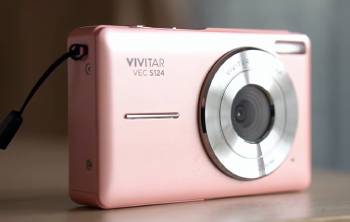
I used the PopSnap digital camera for several weeks of casual indoor and outdoor shots to judge its everyday performance.
The camera is lightweight and small enough for easy handling which makes it appealing at first glance for kids or simple snapshot use.
Powering on and taking a photo required minimal steps and the basic controls were straightforward.
Image quality quickly became the larger issue.
Photos appeared soft low in detail and often noisy even in good lighting.
Colors looked flat and indoor shots struggled with focus and brightness.
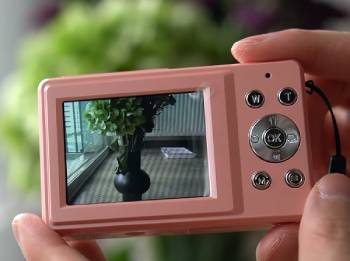
The LCD screen was small and hard to use for framing in bright sunlight.
Battery life lasted for a reasonable number of shots yet the overall experience felt closer to a novelty item than a reliable digital camera.
Some units reportedly have inconsistent performance and limited storage options depending on the exact model.
Overall the experience showed a very basic camera that works for occasional fun snaps yet falls short on image clarity durability and long-term enjoyment.
Key claims around simple operation and compact design shaped my expectations yet real photo results and build confidence left me unconvinced.
Repeated testing in different lighting conditions and attention to ease of use supplied the practical observations that follow.
Image Quality Performance and Real-World Results
Image quality performance and real-world results determine whether a basic digital camera is worth keeping.
I used the PopSnap across indoor outdoor and mixed lighting conditions to judge what the photos actually looked like.
In bright daylight the images still appeared soft with limited detail and noticeable noise.
Colors looked muted and edges never sharpened cleanly even when the subject was centered and still.
Indoor shots struggled more. Focus often missed and the camera produced grainy dark results under normal household lighting.
The small screen made it hard to confirm focus or composition before taking the picture.
Reviewing the files later on a computer confirmed the same limitations. Most photos felt disposable rather than worth saving or sharing.
These results match the broader feedback for novelty-level cameras in this price range.
Overall image quality stayed well below what modern smartphones deliver and below what most users expect from a dedicated camera.
The gap between marketing claims and actual photo performance is one of the main reasons satisfaction remains low.
Build Battery and Everyday Practicality
Build battery and everyday practicality shape how the camera feels during regular handling.
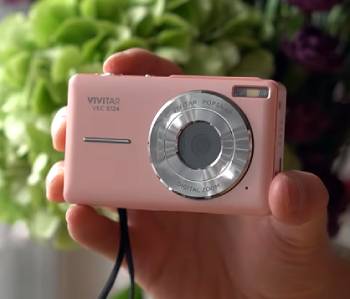
The PopSnap is very light and compact which makes it easy for small hands or casual carry.
Plastic construction keeps the weight down yet also leaves the camera feeling less durable.
I avoided drops because the body offers limited protection against impact.
Battery life covered a reasonable number of shots for short outings yet depended on the exact power source of the model.
Everyday practicality is mixed. The simple controls allow quick point-and-shoot use but the poor screen visibility in sunlight and slow or inconsistent focus reduce the pleasure of daily shooting.
Carrying the camera is easy. Using it for anything beyond casual fun snaps quickly becomes frustrating.
These factors make the PopSnap workable for occasional novelty use and less suitable as a regular photo tool.
Overall build and practicality support short-term play more than reliable everyday photography.
Value Expectations and Long-Term Ownership
Value expectations and long-term ownership complete the assessment of the PopSnap digital camera.
The low purchase price is the strongest point in its favor and the main reason many people consider it.
When that price is weighed against the soft noisy images and basic construction the value calculation changes.
Most users find the camera entertaining for a short period and then set it aside.
Long-term ownership is uncommon because the photo results rarely justify continued use.
Children may enjoy it briefly yet often outgrow the limited quality quickly.
Adults seeking even modest keepsake photos usually move to a smartphone or a higher-quality dedicated camera.
Replacement or continued investment makes little sense once the image limitations become clear.
When expectations stay at pure novelty level the camera can feel acceptable for the money.
When any real photo quality is expected satisfaction drops sharply.
Overall long-term value remains low for the majority of buyers given the volume of disappointed feedback.
Maintenance Tips for Best Results
Careful handling helps you get the most from a basic camera like the PopSnap.
Keep the lens clean with a soft dry cloth and avoid touching the glass with fingers.
Store the camera in a dry place away from extreme heat or moisture.
Remove batteries when the camera will sit unused for longer periods to prevent leakage.
Format or clear the memory card regularly if the model supports one.
Avoid dropping the camera because the lightweight construction offers limited impact protection.
Wipe the body with a dry cloth after outdoor use to remove dust.
Do not force any buttons or doors if they feel stuck.
These simple habits support longer basic function.
Even gentle handling and regular lens cleaning make a noticeable difference in keeping the camera usable for casual shots.
Pros and Cons Of PopSnap Digital Camera
Pros Of PopSnap Digital Camera
- Compact and Lightweight: Easy for small hands or casual carry.
- Simple Controls: Minimal buttons make basic shooting straightforward.
- Low Price Point: Affordable entry for novelty or child use.
- Instant Point-and-Shoot Operation: No complicated settings required.
- Portable Design: Fits easily in a pocket or small bag.
- Beginner Friendly: Suitable for first-time or young users.
- No Heavy Learning Required: Ready to use out of the box.
- Fun Factor for Casual Snaps: Can entertain kids for short sessions.
- Basic Digital Convenience: Avoids film developing costs.
- Widely Available Online: Easy to find through major retailers.
The Analytical Cons Of PopSnap Digital Camera
- Poor Image Quality: Photos are soft noisy and low in detail.
- Limited Low-Light Performance: Indoor and evening shots often fail.
- Small Low-Resolution Screen: Hard to preview or review images clearly.
- Basic Build Quality: Feels inexpensive and less durable over time.
- Inconsistent Focus: Many shots appear blurry or missed.
- Limited Feature Set: Few or no useful creative controls.
- Mixed Reliability Reports: Some users experience early failures.
- Storage and Power Limitations: Depends on model and can be restrictive.
- Not Suitable for Important Photos: Results rarely worth keeping.
- Low Long-Term Value: Quickly outgrown or abandoned by most users.
PopSnap Digital Camera Vs. Other Brands
- PopSnap Digital Camera Vs. CampSnap Camera
CampSnap is another budget digital camera often marketed for simple or kid-friendly use.
I compared both and found similar low-resolution image quality and plastic construction while CampSnap sometimes offered slightly different styling.
Neither delivered strong photo performance.
PopSnap and CampSnap both sit in the novelty category.
Image clarity limitations are shared across these entry-level options.
- PopSnap Digital Camera Vs. Vivitar Digital Cameras
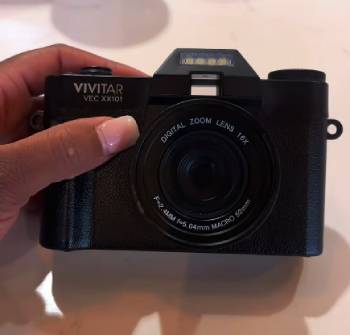
Vivitar offers a range of inexpensive digital cameras under various model names.
Side-by-side consideration showed Vivitar products generally matching the PopSnap in basic function and modest image results.
Vivitar has broader brand recognition in the budget space.
PopSnap competes mainly on price and simplicity.
Overall photo quality remains limited in this price range.
- PopSnap Digital Camera Vs. Kodak Pixpro or Entry Cameras
Kodak Pixpro and similar entry-level cameras sit slightly higher in the budget segment.
Direct comparison revealed Kodak models often providing better resolution and slightly improved optics while PopSnap stayed at the most basic level.
Kodak suits users wanting modestly better snapshots.
PopSnap remains a pure novelty option.
Image quality differences are noticeable even at the lower end.
- PopSnap Digital Camera Vs. Smartphone Cameras
Modern smartphone cameras far exceed basic digital cameras in everyday use.
I found phones delivering sharper detail better low-light performance and instant sharing while the PopSnap offered only simple separation from a phone.
Smartphones win for nearly every practical photo need.
PopSnap provides a screen-free novelty experience.
Most users achieve far better results with the phone already in their pocket.
- PopSnap Digital Camera Vs. Instant Print Cameras
Instant print cameras create physical photos immediately.
Side-by-side reality showed instant cameras offering tangible prints and higher fun factor while PopSnap produced only digital files of modest quality.
Instant cameras suit users who want keepsake prints.
PopSnap stays fully digital and lower in output quality.
Purpose and expectation determine which direction feels more satisfying.
Also Read: My Experience With Camkory Digital Camera
Frequently Asked Questions (FAQs)
Many similar budget models require a compatible SD card for storage while some include very limited internal memory. Check the specific package details.
Most users find CampSnap and similar novelty cameras limited in image quality and better suited for short-term fun than serious use.
Vivitar products in this price range are generally considered basic entry-level options with modest performance expectations.
Dedicated digital cameras can be worthwhile at higher quality levels. Very low-cost novelty models rarely deliver satisfying long-term results compared with smartphones.
Final Thoughts
I tested the PopSnap digital camera and found limited image quality that left me unconvinced about its value.
The main intent remains giving you honest observations on photo performance build and daily use so you can decide with clear information.
The compact size and simple operation are appealing for novelty use yet the soft noisy results and basic construction make it hard to recommend for most people.
You now have the detailed experience to weigh whether this camera meets your needs or whether better alternatives make more sense.