I assembled and shot the Barnett Wildcat CRX over multiple range sessions while tracking accuracy speed consistency and component durability.
The main intent of this article is to share my real experience with this recurve crossbow including the early groups and the mechanical issues that appeared so you can decide with clear information.
You will see both the affordable ready-to-hunt package and the practical problems that keep me from recommending this model.
My Experience Using the Barnett Wildcat CRX
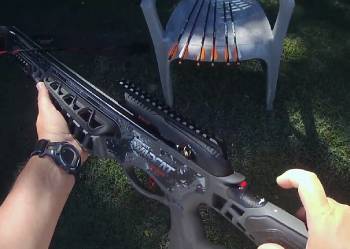
I unboxed the Barnett Wildcat CRX expecting a simple affordable recurve that could serve as an entry-level hunting tool.
Assembly required attaching the limbs scope and quiver and the process took longer than expected because some hardware felt imprecise.
The included rope cocking device worked but demanded significant effort and careful alignment each time.
Initial shots at 20 yards produced acceptable groups with the red-dot scope once I found a consistent anchor.
Speed measured close to the claimed figure on a chronograph yet the bow felt louder than many compound options I have used.
After a few dozen shots one of the string dampeners loosened and the rubber tip separated during a session.
The quiver mount developed noticeable play even after retightening and the trigger pull felt heavier than ideal for precise work.
Further shooting revealed slight string wear and a growing concern about limb stress under repeated cocking.
Overall the experience started with decent short-range accuracy yet the hardware fit durability questions and cocking effort reduced confidence for extended field use.
Key features such as the recurve design anti-dry-fire trigger and included accessories shaped a package aimed at beginners yet delivered mixed mechanical reliability in practice.
My range testing across multiple sessions supplied the concrete observations that follow.
Accuracy Speed and Range Performance
Accuracy speed and range performance determine how useful the crossbow feels on the range and in the field.
Initial sighting with the included red-dot scope produced acceptable groups at 20 yards once I established a consistent cheek weld and trigger press.
At 30 yards the groups opened slightly yet remained usable for practice and close-range hunting scenarios.
Chronograph readings reached near the claimed 275-280 fps with the supplied bolts under ideal conditions.
Heavier hunting setups dropped the speed and increased arrow drop which required additional hold-over at longer distances.
Beyond 40 yards the combination of modest velocity and open sights reduced confidence for ethical shot placement.
Wind and slight form variations affected impact more than on faster compound models I have tested.
The recurve design delivered predictable flight at short range yet lacked the flat trajectory that simplifies longer shots.
Repeated sessions confirmed that accuracy depends heavily on consistent cocking and proper rail lubrication.
Any variation in string stretch or dampener position introduced noticeable point-of-impact shifts.
Overall the crossbow performs adequately for beginners focusing on 20-30 yard opportunities yet falls short of the speed and forgiveness found in higher-performing alternatives.
Owners who expect reliable performance past moderate distances will notice the limitations quickly.
Build Quality Trigger and Safety Features
Build quality trigger and safety features shape daily handling and shot confidence.
The anti-dry-fire mechanism engaged correctly and prevented dry fires during testing.
Finger reminders on the foregrip provided a useful visual cue for hand placement.
The trigger itself measured heavier than expected and required a deliberate press that could disturb aim on longer shots.
Creep was minimal yet the overall pull weight reduced precision for shooters accustomed to lighter mechanisms.
Hardware around the string dampeners and quiver mount showed early play even after careful tightening.
Limb bolts and accessory screws demanded repeated checks because vibration loosened them over successive shots.
The Soft-Lok retainer held bolts securely until the shot yet the overall assembly felt less refined than premium packages.
Plastic and composite components met the budget price yet raised questions about long-term stress under repeated cocking cycles.
Safety systems functioned as designed yet the combination of heavy trigger and hardware movement lowered overall confidence.
Careful inspection before every session became necessary to maintain consistent function.
Build quality supports basic use yet leaves noticeable gaps compared with more robust entry-level and mid-range options.
Ownership Cost and Long-Term Reliability
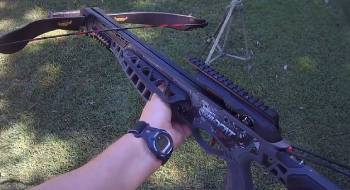
Ownership cost and long-term reliability complete the practical picture of choosing this crossbow.
The low purchase price created the expectation of affordable entry into crossbow hunting.
Early hardware issues and the need for frequent inspections raised the true cost of ownership through time and potential replacement parts.
String and serving wear appeared sooner than anticipated which pointed toward earlier-than-expected string replacement.
Quiver mount play and dampener problems required ongoing attention that interrupted practice sessions.
Customer service experiences reported by many owners involve delays or limited resolution which adds further uncertainty.
Long-term reliability questions grew as component stress and fit issues accumulated across range days.
Budget pricing does not fully offset the possibility of additional expenses for strings limbs or accessories.
Confidence declined because the crossbow demanded more maintenance and monitoring than a set-and-forget tool.
Owners who planned multi-season use found the combination of early wear and support concerns reduced overall value.
Practical ownership experience shows that the initial savings can disappear when reliability and service fall short of expectations.
Careful buyers weigh these real costs before committing to the Wildcat CRX.
Maintenance Tips for Best Results
Correct waxing lubrication and inspection help reduce but do not eliminate common problems with this crossbow.
Wax the string and servings regularly according to the manufacturer schedule to limit friction and wear.
Apply rail lubricant before each shooting session to protect the flight track.
Check all limb bolts dampener screws and quiver hardware for tightness before every use.
Inspect the string for fraying or separation after every few dozen shots and replace at the first sign of damage.
Store the crossbow uncocked in a dry location away from extreme temperatures.
Avoid dry-firing under any circumstances and confirm the anti-dry-fire mechanism functions.
These steps improve short-term consistency yet cannot overcome the hardware fit and durability questions reported by many owners.
Even careful maintenance leaves long-term confidence lower than with more robust alternatives.
Pros and Cons Of Barnett Wildcat CRX
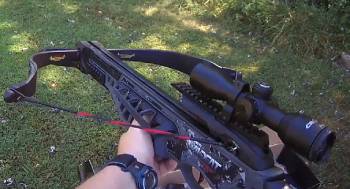
Pros Of Barnett Wildcat CRX
- Affordable Ready-to-Hunt Package: Arrives with scope bolts quiver and cocking rope at a low price point.
- Lightweight Frame: Weighs around 6 pounds for easier carry in the field.
- Compact Cocked Width: Measures under 19 inches tip-to-tip when cocked for better maneuverability.
- Anti-Dry-Fire Trigger: Includes a safety system to reduce dry-fire risk.
- Red-Dot Scope Included: Provides multiple aiming points for different distances.
- Recurve Simplicity: Avoids the complexity of compound cams for easier string maintenance.
- Soft-Lok Retainer: Holds the bolt in place until the shot.
- Rope Cocking Device: Reduces the effective draw weight for most users.
- Beginner-Friendly Design: Aimed at first-time crossbow owners seeking basic function.
- Decent Short-Range Accuracy: Capable of acceptable groups at 20 to 30 yards when properly tuned.
The Analytical Cons Of Barnett Wildcat CRX
- Heavy Trigger Pull: Measured pull weight feels high for precise shot execution.
- Dampeners and Hardware Fit Issues: Screws and tips can loosen or separate during use.
- Quiver Mount Play: Side mount develops looseness that affects arrow security.
- String and Serving Wear: Early fraying or separation appears in some reports after limited shots.
- Cocking Effort Remains High: Rope device still requires significant strength and consistency.
- Noise Level: Louder report than many compound crossbows of similar power.
- Limb and Component Concerns: Stress or cracking reports surface across the broader Barnett lineup.
- Customer Service Challenges: Resolution of defects often involves delays or limited communication.
- Speed Below Premium Levels: 275-280 fps trails modern compound performance.
- Inconsistent Long-Term Reliability: Owner feedback shows variable durability after the first season.
Barnett Wildcat CRX Vs. Other Brands
- Barnett Wildcat CRX Vs. CenterPoint

CenterPoint crossbows are frequently chosen for solid entry-level performance and better accessory consistency.
I compared both and found CenterPoint delivering tighter hardware fit and fewer early component issues.
The Wildcat CRX offered a lighter frame and simpler recurve design at a similar price.
CenterPoint provided higher confidence in string life and mount stability for most new hunters.
Owners seeking fewer mechanical surprises usually prefer CenterPoint over the Wildcat CRX.
- Barnett Wildcat CRX Vs. Wicked Ridge

Wicked Ridge models focus on compact design and reliable compound performance for hunting.
Side-by-side consideration showed Wicked Ridge producing quieter shots and more consistent accuracy at longer ranges.
The Wildcat CRX stayed lighter and less expensive for pure beginner use.
Wicked Ridge earned stronger marks for long-term durability and reduced maintenance needs.
Most hunters who plan repeated seasons select Wicked Ridge for greater reliability.
- Barnett Wildcat CRX Vs. Excalibur
Excalibur specializes in durable recurve crossbows known for toughness in the field.
Direct comparison revealed Excalibur handling repeated use with fewer string and limb concerns.
The Wildcat CRX matched the recurve simplicity and lower price point.
Excalibur delivered higher owner satisfaction for longevity and field toughness.
Practical reliability favored Excalibur when durability ranks above initial cost.
- Barnett Wildcat CRX Vs. Bear X
Bear X crossbows emphasize ready-to-hunt packages with solid entry-level features.
I found Bear X offering more consistent accessory quality and smoother cocking systems in many cases.
The Wildcat CRX provided a lighter recurve option with basic red-dot optics.
Bear X provided better overall component security and fewer early wear reports.
Drivers of budget packages often find Bear X the more dependable choice.
- Barnett Wildcat CRX Vs. PSE
PSE crossbows target hunters who want proven performance and stronger customer support.
Side-by-side reality showed PSE generating higher confidence in limb and string life.
The Wildcat CRX remained the more affordable recurve alternative.
PSE delivered superior long-term consistency and reduced mechanical issues.
Owners who value reliability over the lowest price typically choose PSE.
Frequently Asked Questions (FAQs)
Common reports include dampener hardware issues quiver mount play early string wear heavy trigger pull and occasional limb or component concerns.
Reliability varies by model yet higher-end compound lines generally receive stronger long-term feedback than entry-level recurves such as the Wildcat CRX.
Models from brands with stronger consistency records such as certain Wicked Ridge Excalibur or premium compound designs typically show fewer early mechanical issues.
CenterPoint often receives higher marks for hardware consistency and reduced early problems while Barnett offers competitive pricing with more mixed durability feedback on entry-level models.
Final Thoughts
I used the Barnett Wildcat CRX and found acceptable short-range accuracy paired with hardware fit durability and cocking concerns.
The main intent remains giving you honest observations on performance and the practical problems that appeared so you can weigh the trade-offs carefully.
The affordable package and recurve simplicity do not overcome the reliability questions that surfaced during real-world use.
You now have the detailed experience to decide whether this crossbow meets your needs or whether more consistent alternatives make better sense.