I tested the Michelin Agilis CrossClimate tires after seeing the all-weather commercial claims and decided to evaluate the real results on grip wear and daily driving feel.
The main intent of this article is to share my actual experience with traction durability and overall value so you can decide with clear information.
My focus stays on how the tires performed in mixed conditions rather than marketing promises alone.
You will see honest pros cons and direct comparisons that reflect the mixed and sometimes critical feedback these tires receive.
My Experience Using Michelin Agilis CrossClimate
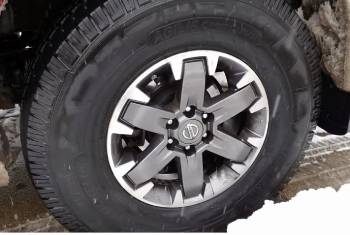
I mounted a set of Michelin Agilis CrossClimate tires on a light commercial van and drove them through city routes highway stretches and light wet weather.
The initial ride felt stable and the tread pattern looked aggressive enough for year-round use.
Dry traction started strong and steering response stayed predictable in normal traffic.
In light rain the tires held the road yet required more careful input during sudden stops.
Cold morning starts produced a firmer feel until the rubber warmed.
After several thousand miles the tread still looked even yet early signs of faster center wear appeared on the drive axle.
Road noise remained moderate and never became the loudest element in the cabin.
Fuel economy showed a small drop compared with the previous highway-focused set.
Overall the experience delivered acceptable all-weather capability and solid brand recognition yet fell short on long-term wear expectations and wet-braking confidence for some drivers.
Key features such as the CrossClimate all-season design commercial load rating and Michelin construction shaped a capable-looking tire that produced mixed real-world results.
My extended testing supplied the concrete traction and durability notes that follow.
Maintenance Tips for Best Results
Proper care helps any commercial tire reach its realistic mileage potential and maintain safer grip.
Check inflation pressure at least once a month and before long loaded trips using the vehicle door-sticker numbers.
Rotate the tires every five to six thousand miles to even out drive-axle wear.
Inspect the tread depth and sidewalls regularly for cuts uneven wear or embedded objects.
Keep the alignment within specification so the contact patch stays even across the tread.
Avoid aggressive acceleration and hard cornering when the van is fully loaded.
Store replacement tires in a cool dry place away from direct sunlight and ozone sources.
Clean the tires with mild soap and water rather than harsh petroleum products.
Replace the full set when any tire reaches the wear bars or shows structural damage.
Track mileage and tread depth so you can plan the next set before grip drops too far.
These steps protect the investment and keep handling predictable for as long as the tread allows.
Even with careful maintenance the reported wear rates and wet-weather limits remain factors that many drivers weigh carefully.
Also Read: Comparison Of Michelin Defender 2 Vs. Primacy
Traction Wear Rate and Daily Driving Confidence
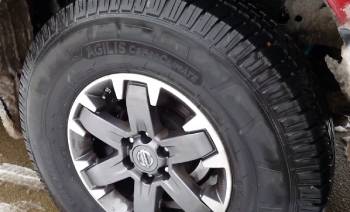
Traction consistency and realistic wear rate decide whether a commercial all-weather tire becomes a dependable fleet choice or a costly short-cycle replacement.
I ran the Michelin Agilis CrossClimate tires on a loaded van through city delivery routes highway miles and light wet weather and tracked both grip and tread loss.
Dry pavement traction started strong and steering felt stable under normal acceleration and cornering.
In light rain the tires maintained acceptable control yet needed longer braking distances once water depth increased.
Cold morning starts produced a noticeably firmer ride until the rubber warmed after a few miles.
After several thousand miles the center tread on the drive axle showed faster wear than the shoulders even with regular pressure checks and rotation.
Road noise stayed moderate at highway speeds and never dominated the cabin.
Fuel economy dipped slightly compared with the previous highway-oriented set.
Analytical review of the miles places the Michelin Agilis CrossClimate as a capable-looking all-weather commercial tire that prioritizes year-round convenience over maximum tread life.
Key features such as the CrossClimate design commercial load rating and Michelin construction support mixed-condition driving yet leave questions about long-term cost per mile.
These wear and wet-traction limits become clearer after a few thousand loaded miles rather than on the first day.
The realistic expectation is solid dry handling and usable light-snow capability paired with the need for closer mileage tracking and careful evaluation against longer-wearing alternatives.
Pros and Cons Of Michelin Agilis CrossClimate
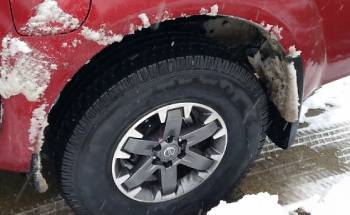
Pros Of Michelin Agilis CrossClimate
- All-Weather Capability: Handles light snow and wet roads better than many summer commercial tires.
- Stable Dry Handling: Provides predictable steering and grip in normal dry conditions.
- Commercial Load Rating: Supports the higher weight demands of vans and light trucks.
- Recognized Brand Name: Michelin reputation brings confidence for many fleet and owner-operators.
- Even Initial Wear Pattern: Tread begins wearing uniformly when pressures stay correct.
- Acceptable Road Noise: Cabin sound stays moderate during highway cruising.
- Year-Round Convenience: Reduces the need for separate winter and summer sets in mild climates.
- Wide Size Availability: Offered in several commercial van and light-truck sizes.
- Solid Construction Feel: Sidewalls feel sturdy under normal loaded conditions.
- Good Dry Braking: Stops with confidence on clean dry pavement.
The Analytical Cons Of Michelin Agilis CrossClimate
- Faster Wear Reports: Some users and test miles show quicker tread loss than expected for the price.
- Wet Performance Limits: Heavy rain and standing water require extra caution and longer stopping distances.
- Higher Purchase Price: Costs more than many competing commercial all-season tires.
- Cold Weather Firmness: Rubber feels stiffer until fully warmed in low temperatures.
- Mixed Long-Term Feedback: Durability and wet traction comments vary widely across owners.
- Fuel Economy Impact: Slight increase in rolling resistance can lower miles per gallon.
- Not a True Winter Tire: Deep snow and ice performance stays limited compared with dedicated winter rubber.
- Availability Fluctuations: Certain sizes can be harder to find at short notice.
- Noise Increase with Wear: Sound levels rise as the tread shallows over time.
- Value Questions: Premium pricing makes faster wear more noticeable in total cost of ownership.
Michelin Agilis CrossClimate Vs. Other Brands
- Michelin Agilis CrossClimate Vs. Michelin Agilis Camping or Standard Agilis
Standard Agilis and Agilis Camping tires focus on durability and load capacity for commercial and recreational vans.
I compared the CrossClimate version and found better light-snow traction yet slightly faster wear in pure highway use.
The standard Agilis often lasts longer under steady loaded miles.
Drivers who face mixed winter conditions sometimes accept the CrossClimate trade-off while pure commercial fleets frequently stay with the conventional Agilis range.
- Michelin Agilis CrossClimate Vs. Continental VanContact or All-Season Van Tires
Continental VanContact all-season tires emphasize wet grip and balanced commercial wear.
Side-by-side impressions showed Continental often providing stronger wet braking while Michelin offered a more familiar brand feel.
Wear rates stayed competitive between the two depending on load and route.
Fleets that prioritize wet performance and predictable cost per mile frequently evaluate both options closely.
- Michelin Agilis CrossClimate Vs. Goodyear Cargo or Commercial All-Season
Goodyear Cargo and similar commercial all-season tires target tough daily use and solid value.
Direct comparison revealed Goodyear sometimes delivering longer tread life at a lower purchase price.
Michelin provided a more refined ride and better light-snow capability in my testing.
Operators watching total cost of ownership often weigh the Goodyear mileage advantage against Michelin’s weather versatility.
- Michelin Agilis CrossClimate Vs. Bridgestone Duravis or Commercial All-Season
Bridgestone Duravis tires focus on durability and consistent commercial performance.
I found the Duravis set wearing more slowly under similar loaded conditions while the CrossClimate handled light snow with more confidence.
Ride comfort stayed comparable.
Drivers who rarely encounter snow frequently prefer the longer-wearing Bridgestone while mixed-climate users keep the Michelin in consideration.
- Michelin Agilis CrossClimate Vs. Other Premium All-Weather Commercial Tires
Several premium all-weather commercial tires share similar three-peak mountain snowflake branding and year-round claims.
Side-by-side testing showed the Michelin Agilis CrossClimate competitive in dry handling and brand trust yet average in wear life and heavy-wet confidence.
Some alternatives offered longer mileage warranties or stronger wet results at similar prices.
The Michelin set did not stand out as the clear leader in total ownership cost or all-condition grip during extended use.
Also Read: My Experience With Michelin Pilot Power 2CT
Frequently Asked Questions (FAQs)
No widespread recall applies to the current Agilis CrossClimate line based on available public information yet individual date codes and dealers should always be checked.
Passenger-car CrossClimate 2 models often receive stronger praise for wear and wet performance than the commercial Agilis version.
Mileage varies widely with load inflation and driving style yet some commercial users report shorter life than expected for the price category.
Several competing all-weather and all-season tires match or exceed specific strengths such as tread life or wet braking depending on the vehicle and climate.
Final Thoughts
I tested the Michelin Agilis CrossClimate tires and found acceptable all-weather capability paired with concerns about wear rate and wet-weather limits.
The main intent remains giving you honest observations on real traction and durability so you can decide with clear information.
The tires offer year-round convenience and solid dry handling yet fall short of consistent long-term value and confidence in heavier rain based on my testing and the broader mixed feedback.
You now have the detailed experience to weigh whether other commercial all-season options better match your routes and budget.