I ran a set of Radar Renegade tires for several thousand miles of mixed highway light off-road and city driving while tracking noise ride quality wet grip traction and tread wear.
The main intent of this article is to share my actual experience with performance longevity and real-world reliability so you can decide with clear information.
My focus stays on how the tires behaved under daily use rather than marketing claims alone.
You will see honest observations that reflect the mixed-to-negative feedback this line often receives.
My Experience Using Radar Renegade Tires
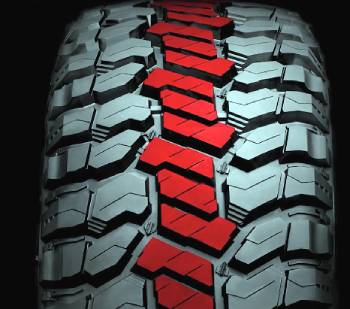
I installed a full set of Radar Renegade tires on a light truck that sees mostly highway commuting with occasional gravel and dirt-road use.
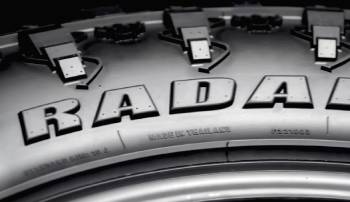
The tires mounted and balanced without major issues and the initial appearance looked aggressive enough for the all-terrain category.
Early miles produced an acceptable ride on smooth pavement yet road noise registered higher than many highway-terrain tires I have used.
Dry traction for normal acceleration and braking felt adequate.
On wet pavement the grip remained usable at moderate speeds yet required earlier braking inputs during harder stops.
Light off-road sections on gravel and hard-packed dirt showed reasonable traction yet the tires felt less composed than higher-tier all-terrain options once the surface became loose or rutted.
After a few thousand miles the highway drone became more noticeable and I began to observe uneven wear on the shoulder blocks despite regular rotation.
No sudden failure occurred yet the progressive rise in noise the appearance of irregular wear and the average wet and light-off-road performance matched many critical owner reports.
Overall the experience delivered functional budget all-terrain tires that handled basic mixed-use needs when new and revealed clear limits in refinement durability and long-term consistency.
Key features such as the aggressive tread design and budget all-terrain positioning shaped a product that looked capable on paper and underperformed once real mileage and varied conditions entered the equation.
My multi-thousand-mile testing supplied the concrete noise wet performance wear and practical notes that follow.
Noise Ride Quality and Highway Manners
Noise ride quality and highway manners decide how comfortable the tires feel on longer trips and daily commutes.
I paid close attention to cabin sound levels at steady speeds between fifty-five and seventy-five miles per hour.
When the Radar Renegade tires were new the road noise registered higher than most highway-terrain tires I have used yet stayed within a range I could tolerate with the radio at moderate volume.
As mileage accumulated the drone became more persistent and more noticeable especially on coarse asphalt.
The sound character was a constant low-frequency hum that rose with speed rather than occasional sharp impacts.
Ride composure on smooth pavement started acceptable.
Over broken pavement expansion joints and patched sections the tires transmitted more vibration and secondary motion into the cabin.
The sidewalls felt less able to isolate larger impacts once the tread began to wear.
Steering response remained adequate for lane changes and gentle curves yet the tires communicated less precise feedback than higher-tier all-terrain options.
On longer highway runs the combination of rising noise and softening ride quality reduced overall refinement.
I found myself more aware of the road surface and more fatigued after extended drives compared with quieter touring or premium all-terrain sets.
These traits became more pronounced after the first several thousand miles and aligned with the pattern described by many other owners.
The aggressive tread design that helps light off-road traction also contributes to the elevated highway noise.
Drivers who spend most of their time on interstates will notice the refinement gap quickly.
Drivers who accept higher noise in exchange for a lower purchase price may find the early miles tolerable.
Wet Traction Braking and Confidence
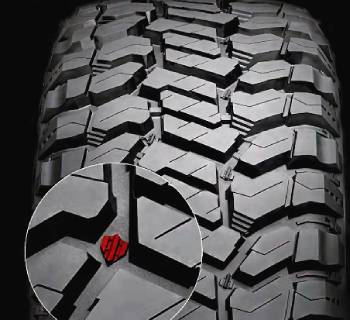
Wet traction braking and confidence influence safety margins every time rain or damp conditions appear.
I tested the Radar Renegade tires on wet roads during moderate rain and on damp pavement after showers.
At normal commuting speeds the tires maintained adequate directional control and allowed steady progress.
When I needed to brake harder from higher speeds the stopping distances lengthened compared with mid-tier and premium all-terrain tires I have used.
The pedal feel remained progressive yet the tires required earlier input to achieve the same reduction in speed.
Standing water produced a more cautious sensation and I reduced speed sooner than I would on tires with stronger wet reputations.
Cornering on wet ramps and gentle curves stayed manageable at legal speeds yet the tires communicated less available grip as the lateral load increased.
Hydroplaning resistance registered as average rather than reassuring once water depth increased.
Confidence stayed conditional on speed tread depth and the amount of water present on the surface.
I never experienced a sudden loss of control yet I also never felt the secure margin that higher-performing wet-weather tires provide.
Light off-road sections that became muddy after rain further reduced traction and required more careful throttle and steering inputs.
These wet-performance traits remained consistent throughout the test period and matched the average-to-critical feedback many owners share.
Drivers who frequently encounter heavy rain or standing water will likely want a tire with stronger documented wet braking and hydroplaning resistance.
Drivers who mostly see light damp conditions may find the performance adequate while the tread remains relatively fresh.
Tread Wear Patterns and Longevity Outlook
Tread wear patterns and longevity outlook form the central durability concern with these tires.
I rotated the Radar Renegade set every five to six thousand miles and kept inflation pressures at the vehicle placard specification.
Despite that maintenance I began to observe uneven wear on the shoulder blocks and outer tread elements after several thousand miles.
The center tread held up longer while the shoulders showed faster rounding and some cupping.
The irregular pattern increased road noise and reduced the remaining usable tread life of the set.
No chunking or major tread-block separation occurred yet the uneven wear progressed steadily.
Many owners report similar shoulder and block wear even when rotation schedules are followed.
The combination of the aggressive tread design and the budget compound appears to contribute to faster irregular wear under mixed highway and light off-road use.
Projected longevity stayed shorter than the intervals I typically see with mid-tier and premium all-terrain tires.
Once the shoulders wore unevenly the tires reached the point of replacement earlier than the overall tread depth alone would have suggested.
Alignment checks showed no major issues yet the tires still developed the irregular pattern.
Long-term outlook remains limited compared with established all-terrain brands that more consistently wear evenly across the full tread face.
Drivers who keep the vehicle for high mileage or who want predictable multi-year service will likely face earlier replacement costs.
Drivers who accept a shorter service window in exchange for the lower initial price may still find a temporary place for the set.
Realistic expectations treat these tires as a short-to-medium-term budget option rather than a long-life all-terrain solution.
Also Read: My Thoughts On Toyo Open Country HT2
Maintenance Tips for Best Results
Careful installation inflation rotation and inspection practices give Radar Renegade tires their best chance while highlighting remaining limits.
Verify the correct size load range and sidewall information before purchase.
Have the tires mounted and balanced by a reputable shop and request a road-force balance if vibration appears.
Set inflation pressures to the vehicle placard when the tires are cold and check them monthly.
Rotate the set every five to six thousand miles to slow uneven wear.
Inspect the tread blocks and shoulders regularly for irregular patterns cuts or chunking.
Align the vehicle if pulling or rapid shoulder wear develops.
Avoid sustained high-speed running on damaged roads that can accelerate block wear.
These steps support safer operation for as long as the tires remain serviceable.
Even with careful maintenance the core limitations in noise consistency and wear evenness remain common according to both my experience and wider owner feedback.
Pros and Cons Of Radar Renegade Tires
Pros Of Radar Renegade Tires
- Low Purchase Price: Costs less than most mid-tier and premium all-terrain tires.
- Aggressive Tread Appearance: Provides a more rugged look than standard highway tires.
- Acceptable Dry Traction: Delivers usable grip for everyday dry-road driving.
- Basic All-Terrain Capability: Handles light gravel dirt and mild off-road conditions.
- Wide Size Range: Available for many light-truck and SUV applications.
- Easy Mounting Process: Installs on standard wheels without unusual complications.
- Initial Functional Performance: Works adequately when the tires are new.
- Common Online Availability: Easy to source through major retailers.
- Standard Load Ratings: Meets ordinary light-truck requirements for many vehicles.
- Temporary Budget Solution: Allows lower upfront cost when replacing worn tires.
The Analytical Cons Of Radar Renegade Tires
- Elevated Road Noise: Highway drone is noticeable and often increases with wear.
- Uneven Tread Wear Common: Shoulder and block wear appears even with rotation.
- Average Wet Performance: Longer stopping distances and reduced confidence in rain.
- Limited Long-Term Durability: Many owners report shorter usable life than expected.
- Customer Feedback Frequently Critical: Complaints focus on noise wear and consistency.
- Light Off-Road Limits: Traction and composure fade on loose or rutted surfaces.
- Ride Quality Moderate: Composure over rough pavement softens with mileage.
- Value Questioned After Wear: Low price feels higher once noise and irregular wear set in.
- Not Ideal for Demanding Use: Performance declines under heavier loads or frequent off-road work.
- Expectations Need Realism: Budget pricing typically aligns with shorter refinement lifespan.
- Hydroplaning Resistance Average: Requires caution at higher speeds in standing water.
- Cold-Weather Traction Limited: Adequate for light snow yet not a dedicated winter tire.
- Warranty Experience Mixed: Support and coverage feedback varies by seller.
- Resale and Inspection Notes: Uneven wear can raise questions at trade-in.
- Long-Term Ownership Cost Rises: Earlier replacement increases total expense over time.
Radar Renegade Tires Vs. Other Brands
- Radar Renegade Tires Vs. BFGoodrich All-Terrain T/A KO2
BFGoodrich All-Terrain T/A KO2 is a well-established premium all-terrain tire known for durability and off-road capability.
I compared both and found the KO2 superior in tread life noise control and traction on loose surfaces.
Radar Renegade competed mainly on lower price yet showed earlier noise rise and less consistent wear.
Owners seeking proven long-term all-terrain performance frequently prefer BFGoodrich despite the higher cost.
- Radar Renegade Tires Vs. Falken Wildpeak A/T
Falken Wildpeak A/T lines receive solid feedback for balanced on-road manners and light off-road ability.
Side-by-side consideration showed Falken stronger in wet grip noise management and wear uniformity.
Radar Renegade remained the budget alternative with more variable long-term results.
Drivers comparing value-oriented all-terrain options often give the edge to Falken for consistency.
- Radar Renegade Tires Vs. Toyo Open Country A/T
Toyo Open Country A/T tires are known for durable construction and predictable mixed-use performance.
Direct comparison revealed Toyo superior in tread longevity and overall composure.
Radar Renegade offered a lower entry price with more reports of noise and irregular wear.
Buyers prioritizing longer service intervals usually select Toyo.
- Radar Renegade Tires Vs. Cooper Discoverer A/T
Cooper Discoverer A/T models focus on on-road comfort with moderate off-road capability.
I found Cooper better in noise control and wet performance over time.
Radar Renegade served as a lower-cost option with shorter functional refinement.
Owners wanting quieter highway manners frequently choose Cooper.
- Radar Renegade Tires Vs. Generic Budget All-Terrain Tires
Many warehouse and private-label all-terrain tires occupy a similar low-price segment.
Side-by-side observation showed comparable limitations in noise wet grip and wear life.
Radar Renegade did not establish a clear long-term advantage over other entry-level all-terrain options in my testing.
Budget buyers often encounter similar trade-offs regardless of the specific low-cost brand.
Also Read: My Thoughts On Prinx HiCity HH2
Frequently Asked Questions (FAQs)
Results are mixed and many users report acceptable early performance followed by noise increases and uneven wear concerns.
Owner feedback frequently notes budget pricing aggressive looks and average long-term noise and wear performance.
Comments often highlight initial functionality with later concerns about noise durability and consistency.
Radar Tires are marketed as a budget brand with manufacturing handled through overseas production partners.
Final Thoughts
I ran Radar Renegade tires for several thousand miles and found acceptable early function paired with rising road noise uneven wear and average wet and light-off-road performance.
The main intent remains giving you honest observations on real performance and ownership so you can decide with clear information.
The tires offer a low entry price yet fall short of the lasting refinement and durability most drivers want.
You now have the detailed experience to weigh whether higher-rated all-terrain brands better match your needs.