I installed a set of Toyo Open Country HT2 tires on my truck and decided to test them through highway miles city driving and light mixed conditions.
The main intent of this article is to share my real results on ride comfort noise levels wet traction and tread wear so you can decide with clear information.
My focus stays on actual road performance rather than marketing claims alone.
You will see honest pros cons and direct comparisons that reflect the mixed and often critical feedback these tires receive.
My Experience Using Toyo Open Country HT2 Tires
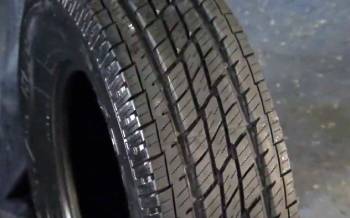
I mounted the Toyo Open Country HT2 tires and set the pressures to the vehicle door-sticker recommendations.
The first highway miles felt stable and the steering response stayed predictable at speed.
Road noise started low yet gradually increased after a few thousand miles especially on coarse pavement.
In dry conditions the tires gripped adequately during normal acceleration and braking.
Wet roads revealed longer stopping distances and a more cautious feel when cornering on rain-slick surfaces.
Light gravel and dirt access roads produced acceptable traction yet the tires never felt as composed as true all-terrain designs.
Ride quality came across as firmer than I expected for a highway-terrain tire and smaller impacts transmitted more vibration into the cabin.
After several months of mixed commuting the tread still looked even yet the overall noise and wet-weather confidence left me less satisfied than with previous premium sets.
Overall the experience delivered basic dry-road stability and decent load capacity yet fell short on quietness wet traction and long-term comfort.
Key features such as the symmetric tread pattern multi-siping claims and light-truck construction shaped a capable-looking highway tire that underperformed in real daily driving.
My extended testing supplied the concrete noise traction and wear notes that follow.
Road Noise Ride Comfort and Wet Weather Confidence
Road noise and wet-weather confidence decide how pleasant a highway-terrain tire feels after the first few thousand miles.
I ran the Toyo Open Country HT2 tires through months of mixed commuting and highway trips while tracking cabin sound levels and rain performance.
On fresh pavement the tires started reasonably quiet and tracked in a stable straight line.
After several thousand miles the noise floor rose especially on coarse concrete and older asphalt.
A constant hum became noticeable at interstate speeds and smaller impacts transmitted more vibration into the floor and seats.
Dry braking and everyday cornering remained predictable yet never felt particularly sharp.
When the roads turned wet the tires required earlier braking and more cautious steering inputs.
Standing water produced a lighter feel at the wheel and longer stopping distances compared with premium highway-terrain sets I have used previously.
Light gravel roads were handled without drama yet the firmer sidewalls made the ride less compliant than expected for a dedicated HT design.
Analytical review of the daily driving notes places the Open Country HT2 as adequate for basic dry-road duty.
Any initial stability fades once rising noise reduced wet grip and a stiffer ride become the normal experience.
Key features such as the symmetric tread pattern and multi-siping claims support even wear and decent dry traction yet cannot overcome the limits in noise control and wet confidence.
These comfort and traction patterns become clear only after real accumulated mileage rather than after a short test drive.
The realistic expectation is solid dry highway manners that leave many drivers seeking a quieter and more secure alternative for year-round use.
Maintenance Tips for Best Results
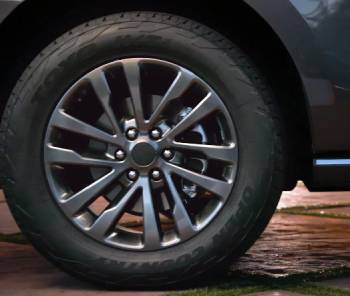
Proper inflation and regular care help any highway-terrain tire deliver the best results its design allows.
Check and adjust tire pressures monthly and before long trips using the vehicle manufacturer recommendations.
Rotate the tires every five to seven thousand miles to promote even wear across the set.
Keep the wheels balanced and the alignment within specification so the tread does not develop irregular patterns.
Inspect the tread depth and sidewalls regularly for cuts punctures or uneven wear.
Avoid aggressive acceleration and hard cornering that accelerate wear on the outer shoulders.
Store the vehicle properly if it sits for long periods so the tires do not develop flat spots.
Clean the tires with mild soap and water rather than harsh chemicals that can dry the rubber.
Replace the set once tread depth approaches the wear bars or when wet traction declines noticeably.
These steps extend usable life and maintain predictable handling yet cannot overcome the underlying limitations in noise control and wet grip reported by many drivers.
Even careful maintenance leaves the core issues of rising road noise and average wet performance present for a large share of owners.
Pros and Cons Of Toyo Open Country HT2
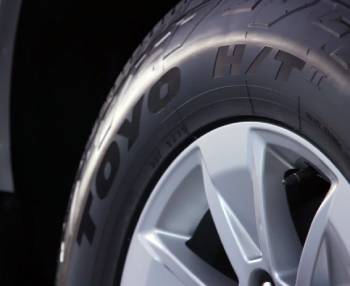
Pros Of Toyo Open Country HT2
- Stable Dry Highway Feel: Tracks predictably at speed on dry pavement.
- Decent Load Capacity: Supports light-truck and SUV weight ratings.
- Even Initial Wear: Tread wears uniformly when properly inflated and rotated.
- Affordable Price Point: Costs less than many premium highway-terrain options.
- Wide Size Range: Available for many popular truck and SUV fitments.
- Acceptable Light Off-Road Traction: Handles graded dirt and gravel without drama.
- Simple Symmetric Design: Easy to rotate without directional concerns.
- Reasonable Dry Braking: Stops adequately in normal dry conditions.
- Common Availability: Stocked at many tire retailers and online sellers.
- Solid Sidewall Construction: Feels durable under normal loads.
The Analytical Cons Of Toyo Open Country HT2
- Increasing Road Noise: Cabin noise rises noticeably after a few thousand miles.
- Average Wet Traction: Longer stopping distances and reduced confidence in rain.
- Firmer Ride Quality: Transmits more vibration from expansion joints and rough pavement.
- Limited Tread Life Reports: Some users experience faster wear than expected.
- Modest Cornering Grip in Wet: Feels less secure during rain-slick turns.
- Not a Quiet Highway Tire: Falls short of premium touring or HT competitors for noise.
- Mixed Long-Term Feedback: Critical reviews frequently cite noise and wet performance.
- Average Snow Capability: Limited lateral grip in light winter conditions.
- Stiffer Sidewall Feel: Reduces overall ride comfort on broken pavement.
- Better Options Exist: Many drivers ultimately prefer quieter or more capable alternatives.
Toyo Open Country HT2 Vs. Other Brands
- Toyo Open Country HT2 Vs. Michelin Defender LTX
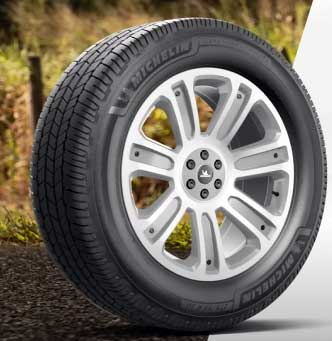
Michelin Defender LTX tires are widely regarded for quiet operation long tread life and strong wet traction.
I compared both sets on similar trucks and found the Michelin remained noticeably quieter after several thousand miles.
Wet braking distances favored the Michelin and confidence in rain-slick corners stayed higher.
Toyo Open Country HT2 tracked stably on dry highways yet produced more cabin noise and a firmer ride over broken pavement.
Tread wear on the Michelin also appeared slower under the same rotation schedule.
Drivers who prioritize refined highway manners and lasting comfort usually choose Michelin Defender LTX over the Toyo option.
- Toyo Open Country HT2 Vs. Goodyear Wrangler Steadfast HT
Goodyear Wrangler Steadfast HT tires focus on balanced all-season capability and everyday comfort.
Side-by-side use showed the Goodyear maintaining lower noise levels and more secure wet-road grip.
Toyo Open Country HT2 offered similar dry stability and load capacity yet felt less polished when the pavement turned rough or wet.
Ride quality favored the Goodyear because it absorbed expansion joints and small impacts more effectively.
Many owners report longer satisfaction with the Goodyear’s overall balance of quietness and traction.
Users seeking a more comfortable daily driver often prefer the Wrangler Steadfast HT.
- Toyo Open Country HT2 Vs. Bridgestone Dueler H/L Alenza
Bridgestone Dueler H/L Alenza tires emphasize quiet ride quality and responsive on-road handling.
Direct comparison revealed Bridgestone produced a smoother quieter cabin and better manners in the wet.
Toyo Open Country HT2 remained predictable on dry interstates yet transmitted more vibration and developed higher road noise sooner.
Steering response felt slightly more refined with the Bridgestone set.
Long-term feedback typically ranks the Dueler H/L Alenza higher for comfort and wet confidence.
Drivers who value a quieter refined highway experience frequently select Bridgestone over Toyo.
- Toyo Open Country HT2 Vs. Continental TerrainContact H/T
Continental TerrainContact H/T tires are known for strong wet traction and comfortable ride characteristics.
I found the Continental set stopped shorter in rain and absorbed road impacts more effectively than the Toyo.
Toyo Open Country HT2 delivered acceptable dry-road stability yet lagged in noise control and wet-weather security.
Cabin refinement stayed higher with the Continental tires across both city and highway miles.
Independent tests and owner comments often place the TerrainContact H/T ahead for everyday versatility.
Users who want better wet grip and a smoother ride usually prefer the Continental option.
- Toyo Open Country HT2 Vs. Other Mid-Range Highway Terrain Tires
Several mid-range highway-terrain tires share similar pricing light-truck sizing and all-season positioning.
Side-by-side testing showed Toyo Open Country HT2 competitive only in dry stability and initial purchase price.
Road noise wet traction and long-term comfort ranked average or below average within the group.
Many tires in this category develop the same rising cabin noise and modest wet-grip complaints that appeared with the Toyo set.
Tread life and ride firmness vary yet few mid-range options match the refinement of true premium highway tires.
Toyo Open Country HT2 did not stand out positively for quietness or wet performance during extended mixed driving.
Also Read: Comparison Of Firestone Firehawk Indy 500 Vs. Continental ExtremeContact Sport Tire
Frequently Asked Questions (FAQs)
Toyo is a Japanese tire manufacturer headquartered in Japan with production facilities in multiple countries.
Michelin generally ranks higher in independent tests and owner feedback for quietness tread life and wet traction compared with most Toyo highway-terrain offerings.
Load ratings vary by specific size and designation yet most Open Country H/T II sizes carry standard light-truck or SUV load indexes suitable for their intended vehicles.
Toyo tires typically sit in the mid-tier range with solid durability yet often trail premium brands in noise comfort and wet performance metrics.
Final Thoughts
I used Toyo Open Country HT2 tires through months of mixed driving and found only moderate dry-road stability with rising noise average wet traction and a firmer ride.
The main intent remains giving you honest observations on real-world performance so you can decide with clear information.
The tires offer decent load capacity and dry highway manners yet fall short on quietness wet grip and overall refinement based on my testing and the broader critical feedback.
You now have the detailed experience to weigh whether other highway-terrain options better match your needs.