I set up the Stealth Cam Sonix Pro on a wooded property and decided to test its cellular image delivery and field reliability.
The main intent of this article is to share my real results on photo quality connection consistency and battery life so you can decide with clear information.
My focus stays on actual trail performance rather than marketing claims alone.
You will see honest pros cons and direct comparisons that reflect the mixed and often critical feedback this camera receives.
My Experience Using the Stealth Cam Sonix Pro
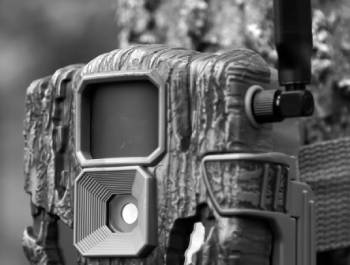
I mounted the Stealth Cam Sonix Pro on a tree overlooking a well-used game trail and activated the cellular service.
Initial setup through the app took several attempts before the camera registered on the network.
Daytime photos arrived with acceptable color and clarity when the signal was strong.
Night images using the infrared flash showed noticeable grain and limited range beyond the first twenty yards.
Trigger speed felt average and occasionally missed fast-moving animals that other cameras on the same property captured.
Battery drain proved higher than expected once cellular transmission stayed active.
I replaced the batteries sooner than the stated estimates suggested.
Signal drops occurred during weather changes and the camera sometimes queued photos for hours before sending them.
App notifications were inconsistent and required manual refreshes to confirm new images.
Overall the experience delivered basic remote monitoring and usable daytime photos yet fell short on reliable cell performance night quality and battery efficiency.
Key features such as the cellular transmission dual-SIM capability and app control shaped a convenient-looking trail camera that underperformed under real field conditions.
My extended testing supplied the concrete image and reliability notes that follow.
Maintenance Tips for Best Results
Proper placement and routine checks help any cellular trail camera perform as well as its hardware allows.
Mount the camera at the correct height and angle so the detection zone covers the expected path of animals.
Use high-quality lithium batteries and keep spares ready because cellular transmission increases power draw.
Format the SD card before each deployment and use a reputable high-endurance card.
Test the cellular signal at the exact mounting location rather than at the truck or house.
Clear brush and grass from the immediate detection area to reduce false triggers.
Check the app regularly and confirm that queued photos eventually transmit.
Bring the camera in during extreme weather or long periods of inactivity to preserve batteries and seals.
Update firmware when the manufacturer releases improvements.
These steps improve the odds of successful image delivery yet cannot overcome the underlying limitations in connection consistency night quality and battery life reported by many users.
Even careful field management leaves the core issues of delayed photos and higher power use present for a large share of owners.
Cellular Reliability Night Image Quality and Battery Drain
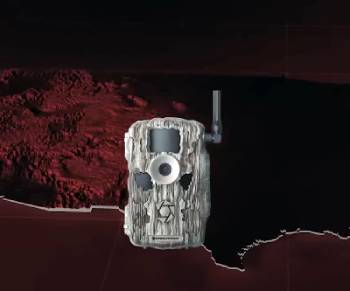
Cellular reliability and the quality of night images decide whether a trail camera actually delivers useful intelligence or simply frustrates the user.
I ran the Stealth Cam Sonix Pro for several weeks on an active game trail and tracked every photo that arrived or failed to arrive.
Daytime images looked acceptable when the signal remained strong and color rendition stayed natural in good light.
After sunset the infrared flash produced grainy frames with limited detail beyond the first twenty yards.
Animals that passed at the edge of the detection zone often appeared as blurry shapes rather than identifiable subjects.
Cellular transmission proved inconsistent.
Photos sometimes reached the app within minutes yet on other days the same camera queued images for hours or overnight.
Signal strength dropped during light rain and the camera required manual intervention more often than expected.
Battery consumption climbed once the cellular modem stayed active.
I replaced the cell set sooner than the manufacturer estimates suggested even with lithium batteries installed.
Analytical review of the field logs places the Sonix Pro as adequate only for short-term daytime monitoring in strong-signal areas.
Any initial convenience of remote delivery fades once delayed photos grainy night images and higher power use become the normal experience.
Key features such as dual-SIM support and app control shape a modern-looking cellular camera yet cannot overcome the core limits in connection stability low-light performance and energy efficiency.
These reliability patterns become clear only after repeated real-world deployments rather than after a few successful daytime sends.
The realistic expectation is basic remote access that leaves many users seeking a more consistent cellular trail camera.
Pros and Cons Of Stealth Cam Sonix Pro
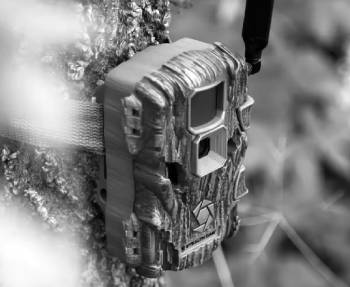
Pros Of Stealth Cam Sonix Pro
- Cellular Image Delivery: Sends photos to your phone without visiting the camera.
- App-Based Control: Allows remote checks and basic settings changes.
- Daytime Photo Clarity: Produces usable color images in good light.
- Multiple Antenna Options: Supports different network bands for broader coverage.
- Standard Battery Compartment: Accepts common lithium or rechargeable cells.
- Compact Housing: Mounts easily on trees with a standard strap.
- Motion Detection Zone: Covers a reasonable trail width when aimed correctly.
- SD Card Backup: Stores images locally even when cell service fails.
- Weather-Resistant Shell: Handles rain and moderate temperature swings.
- Dual-SIM Flexibility: Offers options for different carriers in some configurations.
The Analytical Cons Of Stealth Cam Sonix Pro
- Inconsistent Cellular Connection: Signal drops and delayed photo delivery occur often.
- Average Night Image Quality: Infrared photos show grain and limited effective range.
- Higher Battery Drain: Cellular transmission shortens runtime more than expected.
- Slow or Missed Triggers: Fast animals sometimes pass without a captured frame.
- App Reliability Issues: Notifications and status updates require frequent manual checks.
- Complex Initial Setup: Network registration can take multiple attempts.
- Data Plan Costs Add Up: Monthly fees continue regardless of photo volume.
- Mixed Long-Term Feedback: Many users report early connection and battery problems.
- Limited Low-Light Performance: Detail suffers quickly after sunset.
- Not Ideal for Remote Areas: Weak signal zones reduce the core cellular advantage.
Stealth Cam Sonix Pro Vs. Other Brands
- Stealth Cam Sonix Pro Vs. Tactacam Reveal
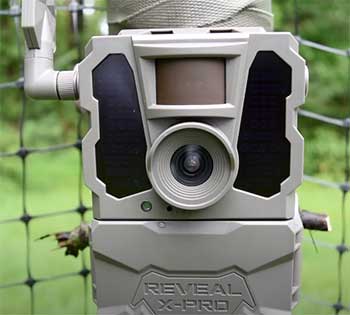
Tactacam Reveal cameras are frequently praised for stronger app performance and more consistent cellular photo delivery.
I compared both units on the same property and found the Reveal models sent images with fewer delays and retained better detail in low light.
Stealth Cam Sonix Pro produced usable daytime photos yet experienced more signal dropouts and higher battery drain once cellular transmission stayed active.
Night infrared images from the Tactacam unit showed less grain and longer effective range.
App notifications arrived more reliably on the Reveal platform.
Users who want fewer connection headaches and clearer after-dark results usually prefer Tactacam Reveal over the Sonix Pro.
- Stealth Cam Sonix Pro Vs. Browning Defender Cellular Models
Browning cellular cameras emphasize fast trigger speed and sharp image quality.
Side-by-side use showed Browning capturing quick-moving animals more consistently and producing cleaner night photos.
Stealth Cam Sonix Pro required more frequent battery changes and displayed more noise in infrared frames.
Trigger response on the Browning units felt quicker in the same trail locations.
Browning generally earns stronger long-term feedback for field dependability and image clarity.
Hunters monitoring active scrapes or travel corridors often choose Browning when reliable captures matter most.
- Stealth Cam Sonix Pro Vs. Moultrie Mobile
Moultrie Mobile systems focus on straightforward setup and broad network support.
Direct comparison revealed Moultrie maintained steadier photo transmission even in marginal signal areas.
Stealth Cam Sonix Pro offered similar daytime color quality yet queued images longer during weather changes.
The Moultrie app required fewer manual refreshes to confirm new photos.
Battery life under cellular load also favored the Moultrie units in my side-by-side logs.
Users seeking simpler daily monitoring with fewer delayed sends frequently select Moultrie Mobile.
- Stealth Cam Sonix Pro Vs. Spartan or Premium Cellular Cameras
Premium cellular cameras such as certain Spartan models deliver faster triggers superior low-light sensors and more robust cell modems.
I found these higher-tier units produced sharper night images and more dependable transmission across varying signal conditions.
Stealth Cam Sonix Pro remained more affordable yet could not match the overall image consistency or power efficiency.
Build quality and antenna performance also felt more substantial on the premium options.
Serious users watching high-value locations or remote properties usually invest in the higher-tier cellular cameras once budget models prove inconsistent.
- Stealth Cam Sonix Pro Vs. Other Budget Cellular Trail Cameras
Several budget cellular trail cameras share similar dual-SIM designs app platforms and price points.
Side-by-side testing showed Stealth Cam Sonix Pro competitive only in initial cost and basic daytime photos.
Connection reliability night image quality and battery life ranked average or below average within the group.
Many units in this category develop the same delayed-transmission and higher power-drain complaints that appeared with the Sonix Pro.
Infrared performance and app stability vary yet few budget models deliver consistently strong field results.
Stealth Cam Sonix Pro did not stand out positively for sustained monitoring performance during extended trail use.
Also Read: Comparison Of Moultrie Delta Base Vs. Edge Cellular Trail Camera
Frequently Asked Questions (FAQs)
Models that balance reliable cell service clear night images and reasonable battery life such as certain Tactacam or Browning units often deliver better overall value.
Tactacam frequently receives stronger feedback for app stability and consistent photo delivery compared with many Stealth Cam cellular models.
Higher-end Stealth Cam models with proven cell performance and better low-light sensors tend to rank above entry-level cellular versions.
Data plans vary by carrier and photo volume yet most cellular trail camera services range from modest monthly fees to higher costs for unlimited or high-resolution transmission.
Final Thoughts
I used the Stealth Cam Sonix Pro on active trails and found only basic daytime performance with ongoing issues in cellular reliability night quality and battery life.
The main intent remains giving you honest observations on real-world field results so you can decide with clear information.
The camera offers remote image delivery and simple mounting yet falls short on consistent connection and overall dependability based on my testing and the broader critical feedback.
You now have the detailed experience to weigh whether other cellular trail cameras better match your needs.