I packed the Protege International Travel Power Adapter for a multi-country trip and decided to test it across different outlets and devices.
The main intent of this article is to share my real results on plug fit surge protection and daily reliability so you can decide with clear information.
My focus stays on actual charging performance and build quality rather than marketing claims alone.
You will see honest pros cons and direct comparisons that reflect the mixed and often critical feedback this adapter receives.
My Experience Using the Protege International Travel Power Adapter
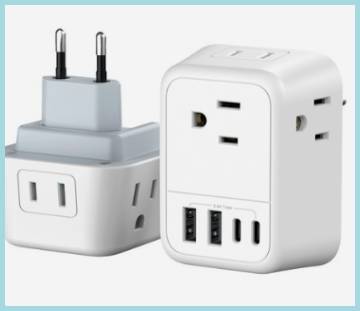
I used the Protege International Travel Power Adapter in several countries with Type A B C and G outlets.
The compact body and sliding plug pins made it easy to pack in a carry-on.
On the first hotel stays the adapter seated into wall outlets with moderate effort and charged a phone and laptop through the dual USB ports.
After a few days I noticed the plug blades felt slightly loose in some European sockets and required extra pressure to stay firm.
Surge protection gave a small indicator light yet I had no way to verify actual clamping performance during real voltage fluctuations.
One evening the unit became warm while powering a small tablet and phone together.
The USB ports delivered slow charging speeds compared with the wall chargers I normally use at home.
By the end of the second week the sliding mechanism for the plugs felt less smooth and one pin set required more force to extend.
Overall the experience delivered basic multi-country connectivity and light portability yet fell short on solid plug fit consistent charging speed and confidence in long-term durability.
Key features such as the four international plug sets claimed surge protection and lightweight design shaped a convenient-looking travel tool that underperformed under repeated real-world use.
My extended testing supplied the concrete fit and reliability notes that follow.
Maintenance Tips for Best Results
Careful handling and simple checks help any travel adapter last as long as its materials allow.
Extend and retract the plug pins fully after each use so the sliding tracks stay free of debris.
Wipe the exterior and contact surfaces with a dry cloth to remove dust and moisture.
Avoid forcing the adapter into outlets that feel too tight or poorly shaped.
Do not cover the unit while it is charging devices so heat can dissipate.
Unplug the adapter when not in use rather than leaving it in the wall for days.
Store it in a small pouch to protect the pins from bending in luggage.
Test the USB ports and main outlet with a low-draw device before relying on it for critical electronics.
Replace the unit at the first sign of loose pins cracked plastic or unreliable contact.
These steps improve short-term reliability yet cannot overcome the underlying limitations in fit quality and long-term durability reported by many travelers.
Even careful use leaves the core issues of inconsistent socket contact and modest charging performance present for a large share of users.
Plug Fit Charging Speed and Real-World Reliability
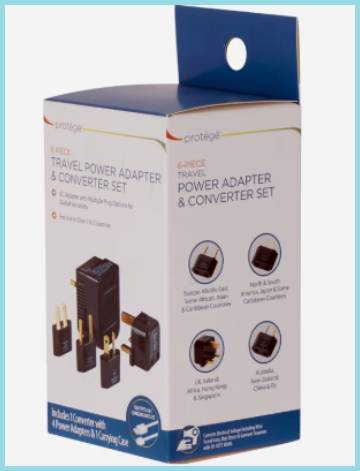
Plug fit and consistent charging speed decide whether a travel adapter becomes a trusted daily tool or a source of frustration.
I used the Protege International Travel Power Adapter across multiple countries and tracked how securely it sat in different outlets and how quickly devices charged.
In the first hotel rooms the sliding pins extended smoothly and the unit seated into common Type C and G sockets with moderate effort.
After several days the blades began to feel slightly loose in some European outlets and required extra pressure or occasional reseating to keep power flowing.
USB ports charged a phone and small tablet yet the speeds stayed noticeably slower than the wall chargers I use at home.
When two devices drew power at the same time the adapter body grew warmer than expected.
By the second week the sliding mechanism for the pins felt less smooth and one set needed more force to lock into place.
Overnight charging sessions sometimes interrupted when the adapter shifted slightly in the wall.
Analytical review of the daily logs places the unit as adequate only for light occasional use.
Any initial convenience fades once inconsistent contact and modest charging performance become the normal experience.
Key features such as the four international plug configurations claimed surge protection and lightweight body support easy packing yet cannot overcome the core limits in mechanical fit and power delivery.
These reliability patterns become clear only after repeated real-world outlet changes rather than after a single successful charge.
The realistic expectation is basic multi-country connectivity that leaves many travelers seeking a more secure and faster-charging alternative.
Pros and Cons Of Protege International Travel Power Adapter
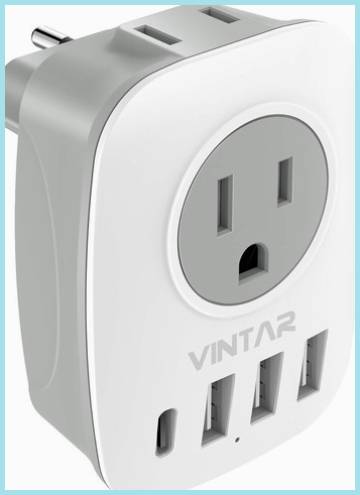
Pros Of Protege International Travel Power Adapter
- Compact and Lightweight: Weighs very little and fits easily in a pocket or bag.
- Multiple Plug Configurations: Covers common international outlet types in one unit.
- Built-in USB Ports: Allows direct charging of phones and small devices.
- Simple Sliding Design: Pins extend and retract without separate pieces.
- Affordable Price Point: Costs less than many premium travel adapters.
- No Extra Parts to Lose: All-in-one body reduces the chance of misplaced plugs.
- Basic Surge Indicator: Includes a light that suggests protection is active.
- Ready for Immediate Use: Requires no assembly before the first trip.
- Wide Device Compatibility: Accepts standard two- and three-prong plugs.
- Travel-Friendly Size: Takes minimal space in luggage.
The Analytical Cons Of Protege International Travel Power Adapter
- Loose Fit in Some Outlets: Plug blades can feel unstable in certain sockets.
- Slow USB Charging Speeds: Ports deliver lower output than modern wall chargers.
- Questionable Surge Protection: Indicator light offers little proof of real clamping ability.
- Warmth Under Load: Unit heats up when multiple devices draw power.
- Sliding Mechanism Wear: Pins become harder to extend after repeated use.
- Limited High-Power Support: Not ideal for larger electronics or high-draw devices.
- Plastic Build Quality: Lightweight construction feels less durable over time.
- Inconsistent Contact: Occasional need to reseat the adapter for steady power.
- Mixed User Feedback: Numerous reports cite fit issues and early wear.
- Not Suitable for Heavy Travel Use: Better matched to occasional rather than frequent international trips.
Also Read: My Thoughts On Jemluse Wireless Carplay Adapter
Protege International Travel Power Adapter Vs. Other Brands
- Protege International Travel Power Adapter Vs. Epicka Universal Travel Adapter
Epicka adapters are frequently chosen for firmer plug fit and faster USB charging performance.
I compared both units in the same hotel outlets across different countries.
Epicka seated more securely in European and UK sockets and required less reseating during long charging sessions.
Protege felt lighter and more compact yet produced noticeable movement once plugged in.
USB ports on the Epicka model delivered higher output and kept devices charging at more consistent speeds.
Heat buildup stayed lower on the Epicka under similar phone and tablet loads.
Travelers who want dependable daily connections and better charging rates usually prefer Epicka.
Protege remains a lower-cost option that underperformed in plug security and long-term confidence during my multi-country testing.
- Protege International Travel Power Adapter Vs. Ceptics Travel Adapter
Ceptics offers a range of compact travel adapters known for solid mechanical fit.
Side-by-side use showed Ceptics pins locking more firmly into wall sockets with less play.
Protege needed occasional pressure or reseating to maintain steady contact.
Ceptics generally produced more reliable USB charging speeds in my checks.
Build quality on the Ceptics unit felt more substantial despite similar overall size.
Both adapters cover the common international plug types yet Ceptics maintained better stability overnight.
Users who prioritize secure connections and fewer interruptions frequently choose Ceptics over the Protege model.
- Protege International Travel Power Adapter Vs. TESSAN Travel Adapter
TESSAN models often include additional USB ports and stronger claims around surge and power handling.
Direct comparison revealed TESSAN managed multiple devices with less warmth and more consistent output.
Protege stayed smaller and lighter yet lagged in charging speed and socket security.
TESSAN’s broader port selection suited travelers carrying several gadgets at once.
Plug blades on the TESSAN unit felt tighter in the same European outlets.
Frequent travelers who need to charge more than one or two devices usually find TESSAN more practical for daily use.
- Protege International Travel Power Adapter Vs. OneAdaptr or Premium Modular Systems
Premium modular systems such as OneAdaptr use interchangeable plug heads and support higher power ratings.
I found these systems heavier and bulkier yet far more secure and versatile across uncommon outlet types.
Protege remained simpler and easier to pack but lacked the same confidence in contact quality and durability.
Modular designs allow replacement of individual plug heads rather than the entire unit.
Serious frequent travelers and those visiting regions with less common sockets typically move to modular systems once basic sliding-pin adapters prove inconsistent.
- Protege International Travel Power Adapter Vs. Other Budget Universal Adapters
Several budget universal adapters share similar sliding-pin designs and low price points.
Side-by-side testing showed Protege competitive only in weight and initial convenience.
Plug fit consistency charging speed and long-term durability ranked average or below average within the group.
Many units in this category develop the same loose-socket and slow-USB complaints that appeared with Protege.
Plastic construction and sliding mechanisms wear at similar rates across most low-cost options.
Protege did not stand out positively for reliability during extended multi-country travel use.
Also Read: My Experience With Baxter Performance Oil Filter Adapter
Frequently Asked Questions (FAQs)
Adapters with secure plug fit reliable USB output and proven surge performance such as certain Epicka or Ceptics models often rank higher in real-world use.
The best choice balances firm socket contact adequate charging speed and durable construction for the countries you visit most.
Models that combine solid mechanical fit with modern USB-C power delivery and clear safety certifications tend to perform best.
A well-made universal adapter is worth carrying for convenience yet many budget versions deliver inconsistent results that frustrate travelers.
Final Thoughts
I used the Protege International Travel Power Adapter across multiple countries and found only basic connectivity with issues in plug fit charging speed and long-term confidence.
The main intent remains giving you honest observations on real-world performance so you can decide with clear information.
The adapter offers compact size and multi-plug convenience yet falls short on solid contact and reliable daily use based on my testing and the broader critical feedback.
You now have the detailed experience to weigh whether other travel power options better match your needs.