I installed and used a Minolta MNCD250 dash cam for several weeks of daily driving night driving and varied weather while tracking video quality reliability file integrity and overall ownership experience.
The main intent of this article is to share my actual experience with recording clarity durability and real-world performance so you can decide with clear information.
My focus stays on how the camera performed under normal and challenging conditions rather than marketing claims alone.
You will see honest observations that reflect the mixed-to-negative feedback this model often receives.
My Experience Using the Minolta Dash Cam
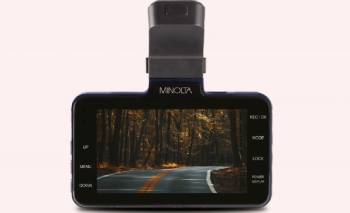
I mounted the Minolta MNCD250 on the windshield using the included suction cup and routed the power cable to the vehicle’s 12-volt outlet.
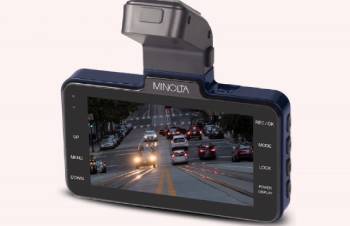
Initial power-up was quick and the 2.2-inch IPS screen displayed the live view without delay.
I formatted the included 16 GB card inside the camera and set loop recording to three-minute segments.
In bright daytime conditions the 1080p video produced an acceptable overall image of the road ahead.
Lane markings and nearby vehicles were visible yet fine detail such as license plates beyond close range and distant street signs remained softer than expected.
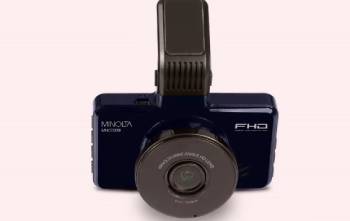
The 120-degree ultra-wide lens captured multiple lanes yet introduced clear barrel distortion at the edges of the frame.
On overcast days and during late afternoon the image quality dropped more quickly than I anticipated with reduced contrast and increased softness.
Night recordings showed significant digital noise and limited usable detail once the vehicle moved beyond well-lit street areas.
Headlight glare from oncoming traffic further reduced clarity.
The built-in G-sensor locked files after harder braking and some sharper bumps yet also triggered during ordinary road imperfections.
Loop recording overwrote older files as designed and motion detection mode activated when the vehicle was parked.
After several weeks of continuous daily use the unit developed occasional freezes where recording stopped until I power-cycled the camera.
The suction mount held under normal conditions yet required re-seating after hot days.
Overall the experience delivered a basic low-cost dash cam that recorded under ideal lighting and revealed clear limits in fine detail low-light performance reliability and long-term consistency.
Key features such as the 1080p claim G-sensor loop recording and included accessories shaped a product that looked complete on paper and underperformed once real daily driving varied lighting and time entered the equation.
My multi-week testing across daylight dusk and night supplied the concrete video reliability and practical notes that follow.
Video Quality Daytime Clarity and Fine Detail
Video quality daytime clarity and fine detail decide whether the footage remains useful for identification purposes.
In bright sunlight the overall road scene looked acceptable and nearby vehicles were easy to distinguish.
License plates beyond immediate range and distant road signs stayed soft and difficult to read reliably.
Edge distortion from the wide lens further reduced usable detail at the sides of the frame.
These limitations lower confidence when the recording is needed for insurance claims or dispute resolution.
Night Performance Glare and Low-Light Limitations
Night performance glare and low-light limitations form one of the weakest areas.
Once daylight faded digital noise increased rapidly and usable detail dropped outside the reach of streetlights.
Oncoming headlights created glare that washed out portions of the image.
The resulting footage provided a general sense of the scene yet lacked the clarity required for plate or face identification.
Drivers who frequently travel after dark will notice this shortfall quickly.
Reliability G-Sensor Behavior and Operational Consistency
Reliability G-sensor behavior and operational consistency influence daily trust in continuous coverage.
The camera recorded without interruption under ideal conditions yet developed occasional freezes that stopped recording until a power cycle restored function.
The G-sensor locked files after genuine hard stops and also during ordinary road bumps.
Loop recording and the small screen worked as described yet the interruptions reduced confidence that every important moment would be captured.
Mount Stability Heat and Installation Practicality
Mount stability heat and installation practicality affect day-to-day ownership.
The suction cup held under moderate temperatures yet required re-seating after hot sunny days.
Cable routing was simple yet the constant power connection meant the unit remained warm during long drives.
These practical details added minor ongoing maintenance to an already basic feature set.
Value Ownership Experience and Realistic Expectations
Value depends on how the low purchase price compares with actual usable clarity reliability and longevity.
Early softness in detail weak night performance and occasional freezes raised the true ownership cost in terms of confidence and potential re-purchase.
Realistic expectations view this camera as a basic low-cost recorder rather than a dependable evidence-grade tool.
Drivers who accept those limits and need only occasional daytime documentation may still find a temporary place for it.
Drivers who require consistent readable footage usually achieve better results with higher-rated alternatives.
Maintenance Tips for Best Results
Careful installation card management and periodic checks give the Minolta dash cam its best chance while highlighting remaining limits.
Clean the windshield glass thoroughly with a residue-free cleaner before attaching the suction mount.
Press the mount firmly and recheck adhesion after the first heat cycle or long drive.
Format the memory card inside the camera before first use and again every one to two weeks.
Avoid leaving the camera in direct sun for extended periods when the vehicle is parked.
Transfer important locked files to a computer or external drive promptly.
Wipe the lens gently with a clean microfiber cloth to reduce haze fingerprints and glare.
Power-cycle the unit immediately if recording stops or the screen freezes.
Keep a spare memory card formatted and ready as a backup.
These steps support more consistent operation for as long as the hardware remains functional.
Even with careful maintenance the core limitations in fine-detail clarity low-light performance and reliability remain present for many users.
Pros and Cons Of Minolta Dash Cam
Pros Of Minolta Dash Cam
- Low Entry Price: Costs less than most established dash-cam brands.
- Simple Out-of-Box Setup: Suction mount power adapter and included card allow quick installation.
- 1080p Recording Capability: Captures basic daytime video in good light.
- Wide-Angle Coverage: 120-degree lens views multiple lanes of the road ahead.
- G-Sensor File Protection: Attempts to lock footage after detected impacts.
- Loop Recording Flexibility: 1- 3- or 5-minute segments keep storage continuous.
- Built-In Preview Screen: 2.2-inch IPS display allows basic live view and playback.
- Included 16 GB Memory Card: Ready for initial recording without extra purchase.
- Motion Detection Mode: Offers limited parked-vehicle monitoring capability.
- Compact Form Factor: Occupies limited windshield space.
- 12 MP Still Photo Option: Allows occasional high-resolution snapshots.
- Photo Stabilization Claim: Aims to reduce blur on uneven roads.
- USB Connectivity: Supports file transfer to a computer.
- Lightweight Design: Easy to reposition or remove when needed.
- Complete Starter Package: Mount cable card and guide arrive together.
The Analytical Cons Of Minolta Dash Cam
- Limited Fine Detail Clarity: License plates and distant signs often appear soft even in daylight.
- Weak Night and Low-Light Performance: Heavy noise and reduced usable range after dark.
- Reliability Interruptions: Occasional freezes require power cycles to resume recording.
- Customer Feedback Frequently Critical: Many reviews cite video quality and durability concerns.
- Noticeable Edge Distortion: Wide lens warps the sides of the frame.
- G-Sensor Over-Sensitivity: Locks files during normal bumps as well as genuine events.
- Basic Feature Set Only: Lacks advanced options common on higher-tier cameras.
- Build and Longevity Questions: Long-term consistency receives mixed-to-negative comments.
- Value Questioned After Issues: Low price feels higher once clarity and reliability problems appear.
- Expectations Need Realism: Marketing language frequently exceeds real-world results.
- Small Screen Limitations: 2.2-inch display offers limited detail for critical review.
- Storage Fills Quickly: Included 16 GB card requires frequent overwriting or upgrade.
- Mount Stability Concerns: Suction cup can lose grip under heat or vibration.
- Support Experience Varies: Assistance quality depends heavily on the specific seller.
- Limited Evidence Confidence: Soft detail and operational interruptions reduce usefulness for insurance claims.
- Glare and Contrast Issues: Headlights and bright reflections further degrade night footage.
- No Advanced Driver Aids: Missing features such as dual-channel or superior low-light sensors.
- Heat Sensitivity: Performance and mount adhesion can suffer in high temperatures.
- File Management Basic: Playback and transfer options remain limited.
- Not a Premium Solution: Design and components reflect the budget segment limitations.
Minolta Dash Cam Vs. Other Brands
- Minolta Dash Cam Vs. Garmin Dash Cams
Garmin produces polished reliable dash cams with strong video consistency and established brand support.
I compared both and found Garmin superior in daytime plate readability night performance and long-term operational stability.
Minolta competed mainly on lower purchase price yet showed softer detail more noise after dark and occasional freezes.
Drivers who need dependable footage for insurance or legal purposes frequently prefer Garmin despite the higher cost.
The difference in confidence level is substantial once real-world conditions accumulate.
- Minolta Dash Cam Vs. Nextbase Dash Cams
Nextbase focuses on image quality ease of use and features designed for clear evidence in many markets.
Side-by-side consideration showed Nextbase delivering sharper license plates stronger low-light results and more consistent recording.
Minolta remained a budget option with noticeable compromises in clarity and reliability.
Owners who prioritize readable detail and fewer interruptions often choose Nextbase.
- Minolta Dash Cam Vs. Vantrue Dash Cams
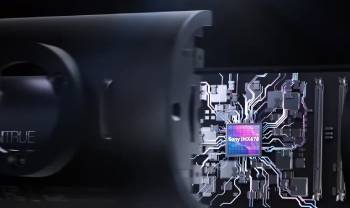
Vantrue is known for solid video quality and feature-rich models at mid-range prices.
Direct comparison revealed Vantrue superior in daytime fine detail night usability and overall consistency.
Minolta offered a lower entry point with softer images and more operational variability.
Buyers seeking better image quality and fewer reliability concerns usually select Vantrue.
- Minolta Dash Cam Vs. BlackVue Dash Cams
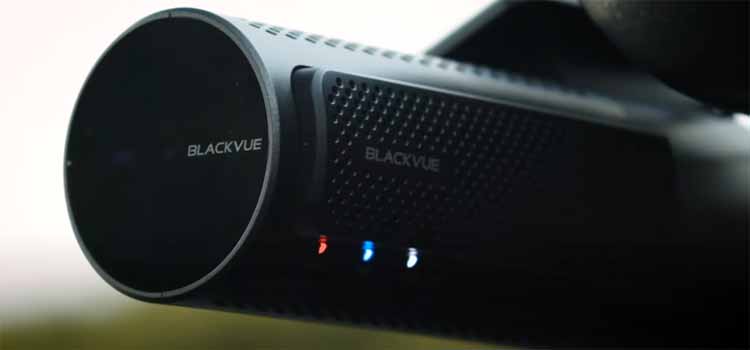
BlackVue emphasizes continuous recording robust build quality and advanced options for serious users.
I found BlackVue clearly ahead in video clarity reliability and long-term confidence.
Minolta stayed in the basic budget segment with more frequent freezes and weaker night performance.
Users who treat dash cams as critical documentation tools almost always prefer BlackVue.
- Minolta Dash Cam Vs. Generic Budget Dash Cams
Many no-name low-cost dash cams share similar price points resolution claims and feature lists.
Side-by-side observation showed comparable limitations in fine detail night performance and long-term reliability.
Minolta did not establish a clear advantage over other entry-level options in my testing.
Budget buyers often encounter the same trade-offs regardless of the specific low-cost brand name.
Also Read: My Experience With Wolfbox Mirror Dash Cam
Frequently Asked Questions (FAQs)
Results vary by specific needs yet established brands with stronger video consistency reliability records and clearer plate capture frequently rank higher.
Minolta has a long historical presence in photography yet current dash-cam models receive mixed-to-critical feedback on performance and durability.
Common concerns with the dash-cam line include soft fine detail limited night performance occasional freezes and questions about long-term consistency.
Minolta exited the traditional consumer camera market years ago after industry shifts partnerships and changing competitive conditions.
Final Thoughts
I installed and used the Minolta MNCD250 dash cam for several weeks and found basic daytime recording paired with soft fine detail weak night performance occasional freezes and limited long-term reliability.
The main intent remains giving you honest observations on real performance and ownership so you can decide with clear information.
The camera offers a low entry price yet falls short of the clarity consistency and confidence most drivers want for dependable documentation.
You now have the detailed experience to weigh whether higher-rated dash-cam brands better match your needs.