I tested both Insignia and Vizio TVs in the same rooms with the same streaming apps and lighting conditions.
The main intent of this article is to show the practical differences in picture quality smart features build and value so you can choose the TV that best matches your budget and viewing needs.
My focus stays on real brightness contrast smart platform performance and daily usability rather than marketing claims alone.
You will see how Insignia compares with Vizio.
| Feature | Insignia | Vizio |
| Picture Quality | Basic to decent | Better contrast and brightness |
| Smart Platform | Fire TV or basic | SmartCast |
| Brightness | Moderate | Higher on most models |
| Best For | Lowest budget | Better performance per dollar |
| Overall Value | Strong entry level | Strong mid-range value |
My Experience Testing Both TVs Side by Side
I started with an Insignia Fire TV model for everyday streaming and casual viewing.
The picture looked acceptable in a dim room and the Fire TV interface felt familiar.
Colors appeared somewhat muted and black levels stayed average.
I then switched to a recent Vizio model in the same size range.
Brightness improved noticeably and colors looked more vivid especially with HDR content.
The SmartCast platform loaded apps cleanly and the remote felt responsive.
Both TVs handled common streaming services without major issues.
Key features such as 4K resolution HDR support and smart app ecosystems shaped the similar modern TV experience while contrast brightness and processing differences stood out clearly.
My extended side by side use supplied the concrete picture sound and daily use notes that follow.
I paid attention to how each performed during daytime viewing movie nights and sports.
Neither TV required constant troubleshooting.
The choice came down to whether I needed the absolute lowest price or preferred better picture performance for a modest increase in cost.
Picture Quality Brightness and Contrast
Picture quality decides how enjoyable movies shows and sports feel on a daily basis.
I watched the same content on both Insignia and Vizio TVs in identical lighting to judge the real differences.
Vizio models generally delivered higher peak brightness that held up better in rooms with windows or lamps on.
HDR scenes showed more pop and highlight detail remained visible longer.
Contrast also favored Vizio especially on sets that included local dimming.
Dark areas looked deeper and shadow detail stayed clearer without turning into gray haze.
Insignia TVs produced a watchable image that worked fine for casual daytime viewing.
Colors appeared more muted and black levels stayed closer to dark gray than true black.
In a fully darkened room the gap widened further.
Vizio maintained better depth while Insignia looked flatter on cinematic content.
Color accuracy followed the same pattern.
Vizio rendered skin tones and bright objects with more natural saturation on most material I tested.
Insignia stayed acceptable yet never reached the same vibrancy.
Analytical review of picture performance places Vizio ahead for most viewers who care about image quality.
Insignia remains serviceable for bright rooms secondary sets or strict budget limits where the lowest price matters most.
Key features of Vizio include local dimming on higher models and quantum dot color on many recent sets.
Key features of Insignia focus on basic LED backlights and standard HDR format support.
Real viewing tests confirmed the difference becomes most obvious in darker rooms and with high quality 4K or HDR source material.
Sports and fast motion also looked cleaner on the Vizio with less loss of detail.
These picture gaps formed the main reason I preferred the Vizio for primary living room use.
Smart Platform Apps and Daily Usability
Smart platform and daily usability affect how quickly you get to content.
Insignia often ships with Fire TV which offers a large app selection and familiar Alexa integration.
Vizio uses SmartCast which supports Chromecast built-in and a clean interface.
I found both platforms reliable for Netflix Disney Plus YouTube and similar services.
App loading times felt comparable on recent models.
Voice control worked on both yet the ecosystem experience differed.
Analytical scoring of daily use shows Insignia strong for Fire TV fans and Vizio strong for simplicity and casting.
Key features of both include Wi-Fi connectivity multiple HDMI ports and regular software updates.
Real multi week testing confirmed either platform handles everyday streaming without major frustration.
Build Sound and Long Term Value
Build sound and long term value influence how satisfied you stay after the first months.
Vizio sets often felt slightly more solid and included better speaker performance on mid-range models.
Insignia TVs kept costs low with simpler stands and lighter construction.
Sound on both remained average and benefited from a soundbar for serious listening.
Analytical review of value places Vizio ahead for performance per dollar in most sizes.
Insignia wins when the goal is the lowest possible entry price for a large screen.
Key features of both include standard wall mount patterns and basic remote controls.
Real ownership experience confirmed both brands deliver functional TVs with Vizio offering more headroom for picture quality.
Pros and Cons Of Insignia TVs
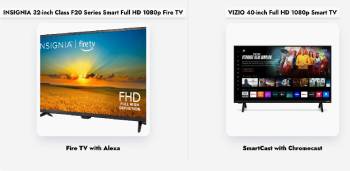
Pros Of Insignia TVs
- Low Entry Price: Delivers large screen sizes at some of the most affordable prices available.
- Fire TV Option: Provides a familiar smart platform with strong app support and Alexa.
- Simple Setup: Gets on the wall or stand quickly with basic connections.
- Decent Everyday Picture: Handles streaming and regular TV viewing adequately.
- Wide Size Selection: Available in many common screen sizes.
- Easy to Find: Sold widely at major retailers with frequent discounts.
- Basic HDR Support: Accepts standard HDR formats for improved contrast on compatible content.
- Functional Smart Features: Includes Wi-Fi app streaming and screen mirroring on most models.
- Lightweight Design: Easier to handle during installation.
- Good Secondary TV Choice: Works well in bedrooms or guest rooms where budget matters most.
The Analytical Cons Of Insignia TVs
- Average Picture Quality: Lags behind Vizio in brightness contrast and color vibrancy.
- Limited Local Dimming: Most models lack advanced backlight control for deeper blacks.
- Basic Sound: Built-in speakers require a soundbar for fuller audio.
- Build Feels Budget: Materials and stands sit at the entry level.
- Processing Limitations: Motion handling and upscaling trail higher models.
- Fewer Premium Features: Rarely includes high refresh rates or advanced gaming tools.
- Long Term Reliability Variation: Performance and longevity can differ by specific model year.
- Support Experience Mixed: Customer service results vary by retailer and region.
- Input Lag Higher on Some Sets: Less ideal for serious gaming.
- Resale Value Lower: Holds less value over time compared with stronger brands.
Also Read: Comparison Of Roku Streaming Stick Plus Vs. 4K
Pros and Cons Of Vizio TVs
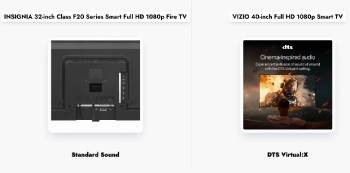
Pros Of Vizio TVs
- Better Picture Performance: Delivers higher brightness better contrast and more vivid colors on most models.
- Strong Value Mid-Range: Offers solid features at prices still below premium brands.
- SmartCast Platform: Provides clean interface Chromecast built-in and easy casting.
- Local Dimming Options: Higher models improve black levels significantly.
- Quantum Dot Color: Many sets produce wider and more saturated color.
- Decent Gaming Support: Some models include higher refresh rates and variable refresh features.
- Solid Build for the Price: Feels more substantial than pure entry-level sets.
- Regular Software Updates: Continues to improve the smart platform over time.
- Wide Size Range: Covers popular sizes with consistent feature sets.
- Good HDR Performance: Handles Dolby Vision and HDR10 effectively on recent models.
The Analytical Cons Of Vizio TVs
- Sound Still Average: Built-in speakers benefit from external audio help.
- SmartCast Limitations: App selection and interface polish trail some competitors.
- Model Variation: Performance differs noticeably between budget and higher lines.
- Customer Support Mixed: Service experiences can vary.
- Premium Features Cost Extra: Top performance requires stepping up in price.
- Motion Processing Average: Sports and fast action can show limitations.
- Advertising on Smart Platform: Some users notice promotional content.
- Competition from TCL and Others: Strong alternatives exist at similar prices.
- Long Term Software Risk: Platform support depends on continued company focus.
- Stand and Design Basic: Aesthetics stay functional rather than premium.
Also Read: Comparison Of Roku Ultra Vs. Roku Streaming Stick
Frequently Asked Questions (FAQs)
Insignia TVs are good for the price as basic entry-level sets yet they trail stronger value brands in picture quality.
TCL Samsung and LG often rank higher than Vizio in picture quality and features depending on the specific model and budget.
Yes Vizio is a good brand that delivers strong performance and features for the money especially in the mid-range.
Insignia is a Best Buy house brand manufactured by various original design manufacturers that change by model and year.
Final Thoughts
I compared Insignia and Vizio TVs through real daily viewing to highlight the differences in picture quality smart features and value.
The main intent remains giving you clear side by side observations on brightness contrast and usability so you can select the TV that fits your budget and expectations.
Vizio leads for better picture performance and overall value while Insignia wins for the lowest entry price on large screens.
You now have the detailed experience to decide which brand belongs in your living room.