I tested both the JBL Boombox and the JBL PartyBox 1000 at outdoor gatherings backyard parties and indoor events under the same playlists.
The main intent of this article is to show the practical differences in power portability bass performance and intended use so you can choose the speaker that best matches your party style and mobility needs.
My focus stays on real loudness battery freedom and daily practicality rather than marketing claims alone.
You will see how the portable Boombox compares with the massive PartyBox 1000.
| Feature | JBL Boombox | JBL PartyBox 1000 |
| Power Source | Rechargeable battery | AC power only |
| Output Power | Around 180-200W | 1100W |
| Portability | High (handle + waterproof) | Low (wheels + heavy) |
| Battery Life | 24-28 hours | None |
| Best For | Outdoor portability | Large stationary parties |
My Experience Testing Both Speakers Side by Side
I started with the JBL Boombox for beach days park hangouts and small backyard gatherings.
The speaker was easy to carry and survived splashes without worry.
Bass felt strong for its size and the battery lasted through full afternoons.
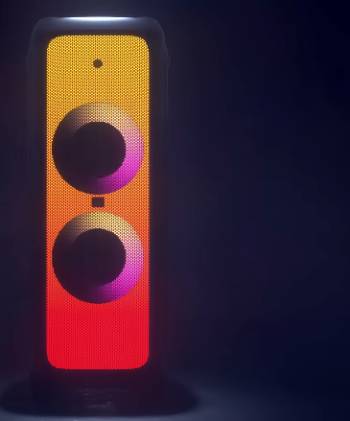
I then set up the PartyBox 1000 for a larger house party.
The difference in raw power was immediate.
The 12-inch subwoofer filled the entire space with deep bass that the Boombox could not match.
Lights and mic inputs added to the party atmosphere.
Both speakers delivered the signature JBL sound signature with clear vocals and punchy low end.
Key features such as Bluetooth connectivity robust build and bold design shaped the similar brand experience while size power source and absolute volume differences stood out clearly.
My extended side by side use supplied the concrete loudness portability and practical notes that follow.
I paid attention to how each handled crowded rooms outdoor open air and long play sessions.
Neither speaker disappointed in sound quality for its category.
The choice came down to whether I needed true portability or maximum party volume.
Power Output Bass and Loudness
Power output and bass performance decide how well the speaker fills a space.
The PartyBox 1000 delivers far higher output with its 1100W system and dedicated 12-inch subwoofer.
It produced deeper and louder bass that shook the floor in larger rooms.
The Boombox still hit hard for a portable speaker and maintained clarity at high volumes.
In open outdoor settings the PartyBox reached farther and stayed cleaner at extreme levels.
Analytical review of loudness places the PartyBox 1000 in a different category for pure party power.
The Boombox remains impressive when you need to move the speaker freely.
Key features of the PartyBox include the large subwoofer and multiple drivers tuned for high output.
Key features of the Boombox focus on efficient portable power and strong passive radiators.
Real volume testing confirmed the PartyBox dominates large gatherings while the Boombox excels at mobile use.
Portability Battery and Practical Use
Portability and battery life affect where and how you can use the speaker.
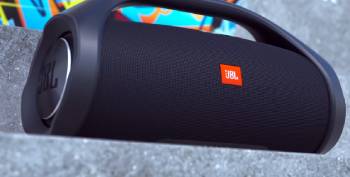
The Boombox is built for movement with a sturdy handle waterproof design and long battery life.
I carried it to the beach and across parks without thinking twice.
The PartyBox 1000 has wheels and a handle yet weighs over 70 pounds and requires a power outlet.
It works best when you can roll it into place and plug it in.
Analytical scoring of practicality places the Boombox far ahead for true portability.
The PartyBox wins when the event stays in one location and maximum volume matters most.
Key features of the Boombox include IP67 or IP68 waterproofing and 24-plus hours of playtime.
Key features of the PartyBox include mic and guitar inputs plus customizable RGB lighting.
Real event testing confirmed the Boombox travels easily while the PartyBox anchors a fixed party zone.
Also Read: Comparison Of JBL Flip 6 Vs. Charge 4
Build Features and Party Atmosphere
Build features and atmosphere tools influence the overall party experience more than many people expect.
I used both speakers across different gatherings to judge how the physical design and extra features affected the mood.
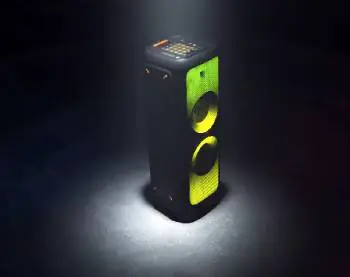
The PartyBox 1000 feels like a complete party station.
Its tall cabinet houses a large down-firing subwoofer two mid drivers and a compression tweeter.
The front and side panels light up with customizable RGB patterns that pulse to the beat.
I could switch effects from the app or the onboard controls and the lights immediately changed the feel of the room.
The top panel includes a DJ pad that lets you trigger sounds and effects in real time.
Microphone and guitar inputs with separate volume knobs turned the speaker into a simple karaoke or live setup.
Wheels and a strong telescoping handle helped me roll it into place even though the unit weighs over seventy pounds.
The Boombox takes a completely different approach.
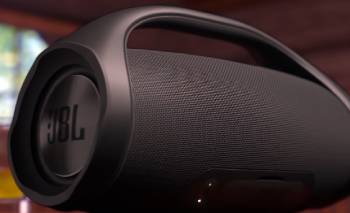
Its long horizontal body uses dual passive radiators and a rugged waterproof shell.
The handle sits on top for easy one-handed carrying.
Controls stay simple with volume Bluetooth and battery indicators.
There are no light shows or instrument inputs yet the industrial design still looks bold at a gathering.
Analytical review of atmosphere features places the PartyBox 1000 far ahead for interactive parties.
The Boombox wins when the priority is tough portable sound without extra complexity.
Key features of the PartyBox include the light show DJ pad and multiple analog inputs.
Key features of the Boombox focus on IP-rated durability and efficient portable engineering.
Real multi-event testing confirmed the PartyBox creates a stronger visual and interactive party presence.
The Boombox stays the better choice when you need to move the music from place to place without hunting for an outlet.
Both speakers feel solid and ready for repeated use yet they serve clearly different party styles.
Pros and Cons Of JBL Boombox
Pros Of JBL Boombox
- True Portability: Built-in battery and handle make it easy to take anywhere.
- Waterproof Design: Survives splashes rain and outdoor conditions.
- Long Battery Life: Delivers 24 to 28 hours of playtime on a charge.
- Strong Portable Bass: Produces impressive low end for its size.
- Rugged Build: Handles transport and outdoor use without worry.
- Stereo Sound: Maintains a proper left-right image.
- Simple Controls: Easy to operate without a complex interface.
- Bluetooth Reliability: Connects quickly and stays stable.
- Versatile Placement: Works on the ground table or sand.
- Great for Small to Medium Groups: Fills most casual gatherings effectively.
The Analytical Cons Of JBL Boombox
- Limited Absolute Power: Cannot match the PartyBox 1000 in large spaces.
- Bass Depth Ceiling: Lacks the floor-shaking output of a 12-inch subwoofer.
- No Mic or Guitar Inputs: Less suited for karaoke or live elements.
- No Built-in Light Show: Relies on sound alone for atmosphere.
- Battery Degradation Over Years: Runtime shortens with heavy long-term use.
- Premium Portable Pricing: Costs more than smaller Bluetooth speakers.
- Weight Still Noticeable: Heavier than compact options like the Charge series.
- No AC Power Boost on Older Models: Some versions play quieter on battery.
- Less Party-Centric Features: Misses DJ tools and extensive lighting.
- Competition from Newer Portables: Other brands offer similar portable power.
Pros and Cons Of JBL PartyBox 1000
Pros Of JBL PartyBox 1000
- Massive Power Output: 1100W system fills large rooms and outdoor areas.
- Deep Bass Performance: 12-inch subwoofer delivers strong low-frequency impact.
- Party Features: Includes RGB lights DJ pad and mic/guitar inputs.
- High Volume Capability: Stays clear even at extreme levels.
- Wheels and Handle: Allows rolling movement despite the heavy weight.
- Multiple Input Options: Supports Bluetooth AUX USB and instrument connections.
- Strong Build Quality: Designed for repeated party use.
- Impressive Light Show: Syncs lights to the music for visual energy.
- Daisy Chain Potential: Can link with other compatible speakers.
- Dedicated Party Design: Built specifically for large gatherings.
The Analytical Cons Of JBL PartyBox 1000
- No Battery: Requires constant AC power and cannot run untethered.
- Very Heavy: Over 70 pounds makes true portability difficult.
- Large Footprint: Takes significant space and needs room to breathe.
- Higher Price: Costs substantially more than the Boombox.
- Not Waterproof: Unsuitable for wet outdoor conditions.
- Setup More Involved: Needs power access and more planning.
- Overkill for Small Groups: Excessive power for casual or quiet settings.
- Power Cord Dependency: Limits placement options.
- Older Bluetooth Version: Some newer features appear on later PartyBox models.
- Transport Challenges: Wheels help but stairs and car loading remain difficult.
Also Read: Comparison Of JBL Flip 7 Vs. Charge 6
Frequently Asked Questions (FAQs)
The Boombox is better for portability and outdoor use while the PartyBox 1000 is better for maximum volume and large parties.
No the PartyBox 1000 is significantly louder and produces deeper bass than the Boombox.
Yes the PartyBox 1000 is very powerful with 1100W of output and a large subwoofer designed for big events.
The PartyBox 1000 was released several years ago and remains a high-output option in the PartyBox lineup.
Final Thoughts
I compared the JBL Boombox and PartyBox 1000 through real parties and outdoor use to highlight the differences in power portability and practical features.
The main intent remains giving you clear side by side observations on loudness battery freedom and party capability so you can select the speaker that fits your events.
The Boombox leads for true portability and all-day battery life while the PartyBox 1000 dominates large gatherings with massive output and party features.
You now have the detailed experience to decide which JBL speaker belongs at your next event.