I tested Sprayway and Invisible Glass side by side on household windows car glass and mirrors under the same lighting and soil conditions.
The main intent of this article is to show the practical differences in streak performance cleaning power and everyday value so you can choose the glass cleaner that best matches your needs.
My focus stays on real residue control drying speed and surface safety rather than marketing claims alone.
You will see how these two popular formulas compare when used on the same glass.
| Feature | Sprayway | Invisible Glass |
| Formula Type | Foaming ammonia-free glass cleaner | Ammonia-free streak-free glass cleaner |
| Best Known For | Fast foam coverage and strong cleaning | Ultra-low residue and automotive clarity |
| Scent Profile | Light and clean | Mild and neutral |
| Drying Behavior | Quick with light buffing | Very low streak tendency |
| Common Uses | Home windows mirrors and general glass | Car interior exterior glass and precision cleaning |
| Value Position | Widely available and cost-effective | Premium positioning for critical glass |
My Experience Testing Both Cleaners Side by Side
I began with Sprayway on a set of interior windows that carried normal household dust and fingerprints.
The foam spread easily and clung long enough for me to work across the surface without constant re-spraying.
A microfiber towel removed the foam and left the glass clear after a short buff.
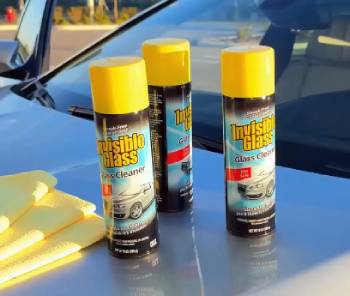
I then cleaned the matching windows with Invisible Glass using the same towel type and technique.
The liquid went on lighter and required slightly less aggressive buffing to reach a streak-free finish.
On exterior car glass both products cut light road film yet Invisible Glass left a slightly more optical clarity under direct sunlight.
Interior car glass showed the same pattern.
Sprayway cleaned effectively while Invisible Glass reduced the chance of remaining haze when the sun hit the windshield at an angle.
Drying speed favored Sprayway on large vertical surfaces because the foam broke down quickly.
Invisible Glass rewarded a slower more deliberate wipe with fewer secondary passes.
Neither formula damaged tinted areas or plastic trim when I wiped carefully.
Overall the side-by-side tests showed Sprayway as the faster everyday cleaner and Invisible Glass as the more precise low-residue option for critical glass.
Key features such as foaming action versus ultra-clear drying shaped two different but effective approaches to the same job.
My repeated cleaning sessions on home and vehicle glass supplied the concrete performance notes that follow.
Cleaning Power Residue and Streak Performance
Cleaning power residue and streak performance decide which cleaner wins for different surfaces.
Sprayway removed everyday fingerprints and dust with speed and left acceptable clarity after a standard wipe.
Invisible Glass matched the cleaning ability and then edged ahead on final residue control especially when the glass was inspected in bright light.
Automotive windshields showed the clearest difference.
Invisible Glass reduced the fine haze that can appear when sunlight hits residual cleaner.
Sprayway still produced clean glass yet occasionally needed a second light buff on the most critical areas.
Both formulas performed well when I used clean microfiber and avoided letting the product dry completely before wiping.
Residue control therefore favored Invisible Glass while raw cleaning speed favored Sprayway.
Surface Compatibility and Safety
Surface compatibility and safety influence which product you reach for around tint plastic and finished interiors.
Both cleaners are ammonia-free which lowers the risk to many aftermarket window tints.
I used each on tinted side glass and saw no damage or discoloration when wiping carefully.
Trim and dashboard areas stayed safe as long as overspray was wiped promptly.
Sprayway’s foam required slightly more attention near porous surfaces because of its broader coverage.
Invisible Glass’s lighter spray was easier to keep exactly on the glass.
Compatibility therefore ranked high for both with a slight edge in precision control to Invisible Glass.
Ease of Use Drying Time and Daily Practicality
Ease of use drying time and daily practicality determine how often you actually enjoy the cleaning task.
Sprayway’s foam made it simple to see where the product had landed and it broke down quickly for fast wiping.
Large household windows went faster with the foam coverage.
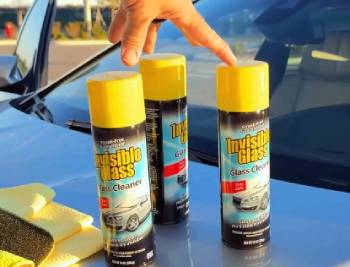
Invisible Glass needed a bit more care in application yet repaid that care with fewer follow-up passes.
Drying behavior felt rapid for both when the towel work was prompt.
Daily practicality favored Sprayway for quick household jobs and Invisible Glass for vehicle glass where clarity matters most.
Value Bottle Cost and Long-Term Ownership
Value bottle cost and long-term ownership shape the final choice for most people.
Sprayway usually costs less and is easy to find in larger sizes.
That lower cost makes it attractive for frequent whole-house cleaning.
Invisible Glass carries a higher price yet the reduced need for re-cleaning critical glass can offset the difference for automotive users.
Ownership confidence stayed high with both because neither damaged surfaces or left permanent issues in my testing.
Value therefore depends on the primary use case.
Household volume cleaning leans Sprayway while precision automotive cleaning leans Invisible Glass.
Sprayway for Home Windows and Mirrors
Sprayway for home windows and mirrors delivers speed and adequate clarity.
The foam helped me cover large panes quickly and the final result looked clean under normal indoor lighting.
Mirrors responded well with minimal streaking when I used a proper microfiber technique.
For routine household maintenance Sprayway proved efficient and economical.
Invisible Glass for Automotive Clarity
Invisible Glass for automotive clarity focuses on the optical finish that drivers notice most.
Windshields and side glass cleaned with it showed less residual haze in direct sun.
Interior glass also benefited from the low-residue formula.
Enthusiasts and anyone sensitive to windshield clarity often prefer this performance.
Also Read: My Experience With Krud Kutter Cleaner Degreaser
Scent User Experience and Sensory Notes
Scent user experience and sensory notes affect comfort during cleaning.
Sprayway offered a light clean fragrance that disappeared after wiping.
Invisible Glass stayed even more neutral.
Neither left a heavy chemical smell inside the car or the house.
Sensory experience ranked comfortable for both.
Technique Tips That Improve Either Product
Technique tips that improve either product center on towel quality and method.
Clean microfiber towels outperformed paper towels with both formulas.
Wiping before the cleaner fully dried produced better results.
A final dry buff with a second towel removed any remaining traces.
These habits raised the performance of whichever cleaner I chose.
Pros and Cons Of Sprayway
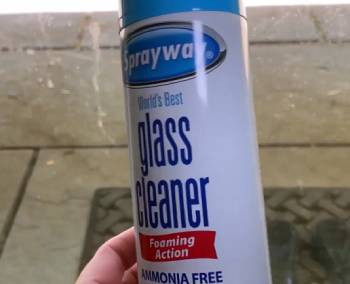
Pros Of Sprayway
- Foaming Action: Clings well to vertical surfaces and provides visible coverage.
- Fast Cleaning Power: Cuts fingerprints and light grime quickly.
- Widely Available: Easy to find in many retail locations.
- Cost-Effective: Usually priced lower than premium glass cleaners.
- Quick Drying: Requires minimal dwell time before wiping.
- Pleasant Light Scent: Does not linger heavily after use.
- Good for Large Areas: Foam helps cover big windows efficiently.
- Ammonia-Free Formula: Safer for many tinted and aftermarket surfaces.
- Reliable Everyday Performance: Delivers consistent results for routine cleaning.
- Simple Spray-and-Wipe Process: No complicated technique required.
The Analytical Cons Of Sprayway
- Possible Light Residue: May need a second pass on critical automotive glass.
- Foam Can Overspray: Requires care near porous or finished surfaces.
- Not the Absolute Lowest Streak Option: Some users prefer dedicated auto formulas for windshields.
- Scent Preference Varies: Light fragrance may not suit every user.
- Performance on Heavy Film: Stronger solvents or dedicated cleaners may be needed for stubborn deposits.
- Bottle Design Is Standard: Functional yet not specialized.
- Results Depend on Towel Quality: Microfiber choice still matters.
- Less Precision Focus: Built more for speed than optical perfection.
- Can Leave Haze in Direct Sun: Occasional extra buffing required on exterior auto glass.
- Expectation Management: Excellent everyday cleaner rather than a show-car detail product.
Pros and Cons Of Invisible Glass
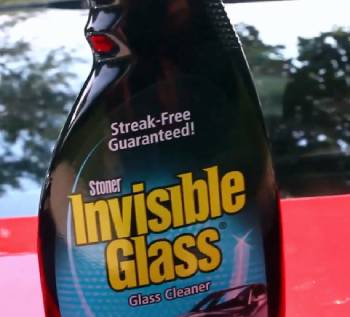
Pros Of Invisible Glass
- Ultra-Low Residue: Leaves glass exceptionally clear with minimal haze.
- Strong Automotive Reputation: Favored for windshields and interior car glass.
- Ammonia-Free Formula: Compatible with many tinted windows.
- Excellent Optical Clarity: Performs well under direct sunlight inspection.
- Mild Neutral Scent: Rarely interferes with interior vehicle smell.
- Reliable Streak Control: Reduces the need for multiple corrective passes.
- Effective on Fingerprints and Light Film: Cleans common soils thoroughly.
- Trusted by Detailers: Commonly used in professional and enthusiast settings.
- Consistent Bottle-to-Bottle Performance: Formula stays predictable.
- Good for Precision Work: Suits mirrors and glass that must look perfect.
The Analytical Cons Of Invisible Glass
- Higher Price Point: Costs more per ounce than many household cleaners.
- Less Foaming Action: Liquid can run on vertical surfaces if over-applied.
- Requires Quality Towels: Best results still depend on clean microfiber.
- Not Always the Fastest on Large Home Windows: Foam-style cleaners can cover area quicker.
- Availability Can Vary: Not stocked as widely as basic household brands.
- Over-Application Possible: Too much product increases wipe work.
- Limited Heavy-Soil Aggression: Extreme road film may need pre-treatment.
- Premium Positioning: Everyday users may not need the extra clarity.
- Bottle Size Options Differ: Value depends on the size purchased.
- Expectation Gap for Casual Use: Precision benefits shine most on critical glass.
Also Read: Comparison Of 409 All-Purpose Vs. Multi-Surface Cleaner
Frequently Asked Questions (FAQs)
Invisible Glass is ammonia-free and often preferred for automotive and tinted glass while Windex is a traditional household cleaner with a different formula profile.
Yes it is widely regarded for low residue and excellent clarity especially on vehicle glass.
Sprayway is favored by many for its foaming action and ammonia-free cleaning while preference depends on surface and scent tolerance.
Yes Sprayway effectively removes fingerprints dust and light grime and leaves glass clean with proper wiping technique.
Final Thoughts
I compared Sprayway and Invisible Glass on home and vehicle glass and found both capable with clear differences in foam speed versus final residue control.
The main intent remains giving you practical side-by-side observations on streak performance drying and value so you can select the cleaner that fits your primary surfaces.
Sprayway excels at fast economical household cleaning while Invisible Glass leads when optical clarity on automotive glass matters most.
You now have the detailed experience to decide which bottle belongs in your cleaning kit.