I flew both the DJI Neo and the DJI Neo 2 in the same parks and open spaces under similar wind and lighting conditions.
The main intent of this article is to show the practical differences in camera performance obstacle avoidance flight stability and ease of use so you can choose the compact drone that best matches your needs.
My focus stays on real video quality safety features and daily flying experience rather than marketing claims alone.
You will see how the original Neo compares with the Neo 2.
| Feature | DJI Neo | DJI Neo 2 |
| Weight | About 135 g | About 151 g |
| Gimbal | 1-axis | 2-axis |
| Max Video | 4K/30fps | 4K/60fps (100fps slow motion) |
| Obstacle Sensing | Basic downward | Omnidirectional + LiDAR |
| Flight Time | Up to 18 min | Up to 19 min |
| Best For | Simple selfie flights | Safer and smoother footage |
My Experience Testing Both Drones Side by Side
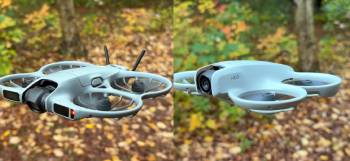
I started with the original DJI Neo for quick palm launches and simple tracking shots.
The drone felt extremely light and took off easily from my hand.
Video looked decent in good light yet showed more shake when I moved laterally or when light wind picked up.
I then switched to the Neo 2.
The extra weight was barely noticeable in the air.
The 2-axis gimbal produced clearly smoother footage and the new obstacle sensing gave me more confidence near trees and people.
Both drones remained beginner friendly with gesture controls and app based flying.
Key features such as compact size quiet motors and one-tap shooting modes shaped the similar easy flying experience while stabilization safety and video frame rate differences stood out clearly.
My extended side by side flights supplied the concrete video stability and safety notes that follow.
I paid attention to how each handled follow me shots circling moves and landing accuracy.
Neither drone required a steep learning process.
The choice came down to whether the original Neo still felt sufficient or the Neo 2 upgrades justified the step up.
Camera Performance Stabilization and Video Quality
Camera performance and stabilization decide how usable the footage feels after the flight.
The original Neo records sharp 4K video at 30 frames per second with a single-axis gimbal.
It works well for basic selfie and overhead shots in calm conditions.
The Neo 2 keeps a similar sensor size yet adds a 2-axis gimbal and jumps to 4K at 60 frames per second plus a 100 fps slow motion option.
Lateral movement and light wind caused far less visible shake on the Neo 2.
Vertical social media clips also looked cleaner thanks to the improved gimbal and higher frame rates.
Analytical review of video quality places the Neo 2 clearly ahead for smoother and more flexible footage.
Key features of the Neo 2 include the wider aperture better low light processing and doubled internal storage.
Key features of the original Neo focus on simplicity and ultra light weight.
Real flight testing confirmed the Neo 2 produces more polished results with less effort in post.
Obstacle Avoidance Flight Safety and Wind Resistance
Obstacle avoidance and flight safety affect how confidently you can fly in real environments.
The original Neo relies mainly on downward sensors for takeoff and landing.
It has no forward or omnidirectional obstacle detection.
The Neo 2 adds LiDAR and broader sensing that helps it detect and avoid obstacles in more directions.
I felt noticeably safer flying closer to trees and structures with the newer model.
Wind resistance also improved from Level 4 on the Neo to Level 5 on the Neo 2.
The newer drone held position better in moderate breezes.
Analytical scoring of safety features places the Neo 2 well ahead for beginners and mixed environments.
Key features of the Neo 2 include omnidirectional sensing and stronger motors.
Key features of the original Neo keep the focus on pure simplicity and lowest weight.
Real world flights confirmed the Neo 2 reduces the chance of minor crashes during everyday use.
Also Read: My Experience With Lanus 4k Drone
Battery Life Controllers and Daily Practicality
Battery life controllers and daily practicality influence how often you fly and how easy the system feels.
Both drones offer similar flight times around 18 to 19 minutes under calm conditions.
The Neo 2 carries a slightly larger battery that helps maintain that endurance despite the extra weight.
Controller options remain flexible with app only gesture control or optional remote controllers on both.
Internal storage on the Neo 2 is significantly larger which means fewer concerns about filling the drive mid session.
Analytical review of daily use shows the Neo 2 as the more practical long term choice for frequent flyers.
The original Neo still works well for pure simplicity and lowest carry weight.
Key features of both include quiet operation palm takeoff and quick transfer to the phone.
Real multi session testing confirmed either drone fits easy casual flying with the Neo 2 reducing limitations.
Pros and Cons Of DJI Neo
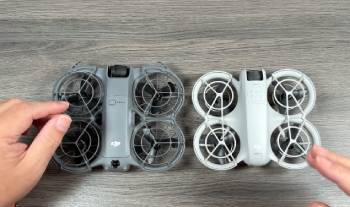
Pros Of DJI Neo
- Ultra Light Weight: Stays among the lightest options for easy palm launches and travel.
- Simple Beginner Operation: Gesture controls and app flying keep the learning process short.
- Quiet Motors: Produces less noise than larger drones during close flights.
- Affordable Entry Point: Costs less than the Neo 2 for basic aerial video.
- Compact Carry Size: Fits easily in a small bag or even a large pocket.
- Decent 4K Video: Captures usable footage in good lighting conditions.
- Palm Takeoff and Landing: Makes solo shooting straightforward.
- Short Setup Time: Ready to fly quickly after power on.
- Good for Selfie Style Shots: Handles basic follow and circling moves.
- Low Regulatory Impact: Stays under common weight thresholds in many regions.
The Analytical Cons Of DJI Neo
- Limited Stabilization: Single-axis gimbal allows more shake in wind or during sideways movement.
- No Omnidirectional Obstacle Sensing: Higher risk of collisions near obstacles.
- Lower Max Frame Rate: Tops out at 4K 30 fps with fewer slow motion options.
- Smaller Internal Storage: Fills faster during longer 4K sessions.
- Weaker Wind Resistance: Struggles more in moderate breezes.
- Basic Low Light Performance: Shows more noise as light drops.
- Fewer Safety Features: Relies more on pilot attention.
- Older Video Pipeline: Lacks some processing improvements of the Neo 2.
- Shorter Future Support Window: Newer model receives the latest updates first.
- Less Flexible for Creative Shots: Higher chance of unusable footage in less than ideal conditions.
Pros and Cons Of DJI Neo 2
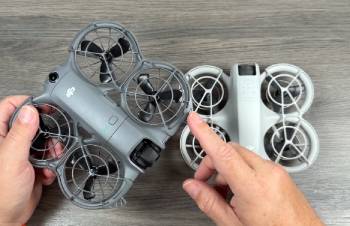
Pros Of DJI Neo 2
- 2-Axis Gimbal: Delivers clearly smoother video during movement and light wind.
- Higher Frame Rate Video: Supports 4K 60 fps and 100 fps slow motion.
- Omnidirectional Obstacle Sensing: Adds LiDAR and broader detection for safer flights.
- Improved Wind Resistance: Handles stronger breezes with better position hold.
- Larger Internal Storage: Holds significantly more 4K footage before needing to offload.
- Better Low Light Processing: Produces cleaner results as light levels drop.
- Slightly Longer Flight Time: Maintains competitive endurance despite extra features.
- Quieter and More Refined Flight: Feels more stable and controlled in the air.
- Enhanced Tracking Modes: Improves follow and automated shot reliability.
- Stronger Future Proofing: Receives newer software features and refinements.
The Analytical Cons Of DJI Neo 2
- Higher Price: Costs more than the original Neo.
- Slightly Heavier: Adds a small amount of weight for the extra capability.
- Still Compact Limitations: Remains a small sensor drone with inherent image constraints.
- Battery Life Not Dramatically Longer: Real world gains stay modest.
- Learning Curve for New Sensors: Extra safety features still require awareness.
- Availability Variation: Launch timing and regional stock can differ.
- Accessory Costs Extra: Full controller or combo kits raise the total price.
- Not a Professional Cinema Tool: Best suited for casual and social content.
- Propeller Guard Trade Offs: Protection helps safety yet adds minor bulk.
- Competition from Other Mini Drones: Alternatives exist at various price points.
Also Read: My Experience With Skyhawk 4k Drone
Frequently Asked Questions (FAQs)
The Neo 2 adds a 2-axis gimbal better video frame rates omnidirectional obstacle sensing and improved wind resistance.
Yes the Neo 2 is better in almost every meaningful flying and video category while staying nearly as easy to use.
Yes the Neo 2 is worth the upgrade for most users who want smoother video and safer flights.
The Neo 2 is the better overall drone thanks to stabilization safety features and higher quality video options.
Final Thoughts
I compared the DJI Neo and Neo 2 through real flights to highlight the differences in video quality safety and daily usability.
The main intent remains giving you clear side by side observations on stabilization obstacle avoidance and practical performance so you can select the compact drone that fits your flying style.
The Neo 2 leads for smoother footage better safety features and improved wind handling while the original Neo remains a simpler and lighter entry option.
You now have the detailed experience to decide which model belongs in your bag.