Operating an unmanned aerial vehicle requires absolute precision across motor synchronization, electronic speed controller transmission stability, and camera sensor throughput.
You need a dependable quadcopter that locks onto global positioning satellites cleanly without suffering from signal drops, uncalibrated drift, or immediate motor burnout.
This technical analysis uncovers the physical flight mechanics, systemic software disconnections, and optical interpolation issues surrounding the heavily marketed Lanus 4K Drone.
You should buy professional-grade aviation equipment and certified high-performance aircraft directly from authorized hobbyist supply hubs, licensed remote control specialty stores, or verified flagship manufacturing outlets that provide comprehensive parts guarantees.
While the low-cost package deals and triple-camera marketing claims look highly attractive to first-time pilots, widespread hardware failures and poor transmission links make me completely unwilling to support it.
You should buy stable, industry-standard quadcopters through official aerospace channels if you want predictable and safe flight operations, rather than risking an immediate flyaway incident with this unreliable consumer option.
My Real-World Operational Experience
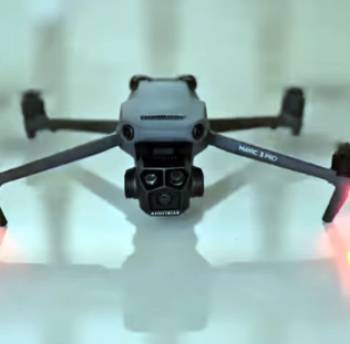
As someone who meticulously tests aerial recording systems and structural flight dynamics, finding a dependable trainer drone that balances stable hovering with crisp imaging sensors is a primary goal.
My regular aerial routine relies on a stable radio transmission link to smoothly capture sweeping landscape vistas and architectural properties without experiencing sudden altitude drops or manual control loss.
The promise of a highly budget-friendly folding quadcopter featuring an integrated triple-lens array, multi-directional obstacle avoidance sensors, and extended battery life sounded like an amazing deal.
I ordered the full kit online, unpacked the soft fabric carrying case, and placed the lightweight plastic airframe on my workbench for a full pre-flight structural inspection.
The initial hardware impression felt distinctly cheap because the outer polycarbonate shell flexed significantly under light thumb pressure, and the folding arm hinges emitted an unpleasant plastic grinding noise when extended into position.
My initial outdoor flight testing began on a clear morning with calm air conditions inside an open field completely free of power lines or dense tree branches.
Powering on the hand controller required matching it with a basic mobile application over an unencrypted local wireless connection, which constantly dropped its video feed before the motors even started spinning.
I calibrated the internal compass by rotating the chassis manually, pressed the automatic takeoff button, and watched the four small brushed motors lift the aircraft into the air.
The internal positioning system left a surprisingly large margin of error that caused the airframe to drift wildly toward nearby brush without any stick input, and I quickly realized that the electronic altitude hold mechanism was entirely incapable of maintaining a steady hover.
Even with the control sticks pushed completely forward to combat a minor two-mile-per-hour breeze, the lightweight chassis tossed violently, showing an absolute lack of internal gyro stability.
The most frustrating performance flaws appeared after attempting to capture high-definition video files during consecutive afternoon test flights.
While the product advertisements highlight stunning ultra-high-definition recordings, my processing computer uncovered a completely different digital reality.
The cheap optical sensor assembly utilizes heavy digital upscaling to stretch a grainy, standard-definition video file into a fake high-resolution frame size, generating massive compression artifacts that leave the footage completely blurry and pixelated.
Worse still, my independent data inspection revealed that the onboard transmission card slot frequently corrupts storage files, dropping entire video sequences whenever the aircraft moves further than thirty meters away from the pilot.
By the third test day, one of the primary motor gears stripped completely out during a basic landing sequence, rendering the entire quadcopter entirely unflyable due to a lack of durable internal metal components.
Using this device turned into a deeply disappointing series of flaky application connections, lost data cards, and frantic manual corrections to prevent the flimsy plastic body from smashing into the ground.
Comprehensive Maintenance and Longevity Practices
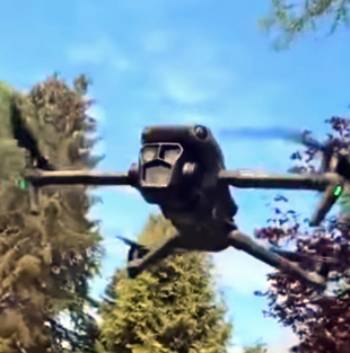
To keep a lightweight folding quadcopter mechanically operational without experiencing motor binding, signal corruption, or plastic body fractures, you must implement strict pre-flight upkeep routines.
The tiny brushed motor gears must be blown completely clear of loose dirt, sand grains, and fine dust after every landing session.
Clean the external camera lens surface using a dry microfiber cloth to prevent oily smudges from ruining the automated exposure balance.
Never store the modular lithium-polymer batteries inside a hot car trunk where high thermal expansion can cause dangerous cell swelling.
Allow the internal circuit boards to cool down completely for fifteen minutes between battery swaps to prevent permanent overheating damage.
Avoid flying the lightweight chassis in ambient wind environments that exceed five miles per hour to prevent unrecoverable flyaways.
Check the small plastic propeller retaining screws weekly to ensure the blades do not spin off during mid-air maneuvers.
Store your spare components inside a sealed plastic container away from high humidity to protect the delicate copper motor windings.
Utilize a dedicated battery voltage tester to ensure the cells maintain a safe storage charge level during winter storage blocks.
Discard any propeller blade immediately if you detect a minor stress fracture or a chipped edge along the tracking line.
Analytical Performance Assessment
Analyzing this consumer-grade flying device from an aerospace engineering standpoint reveals extreme manufacturing and software compromises.
The distributor reduces wholesale procurement costs by rebranding basic toy-grade quadcopters utilizing low-cost brushed core motors.
This cheap mechanical layout reduces the overall life cycle of the aircraft, as thin plastic gear teeth wear down to a smooth edge within a few hours of active rotation.
For enthusiasts trying to capture genuine high-resolution video assets, a platform that relies on heavy software interpolation fails to provide true clarity.
The high frequency of local wireless signal drops introduces unacceptable risks of structural damage due to uncommanded manual flyaways.
Because of these persistent connection defects and fragile internal components, I cannot recommend this product line for serious aerial use.
Detailed Analysis of Advantages and Critical Flaws
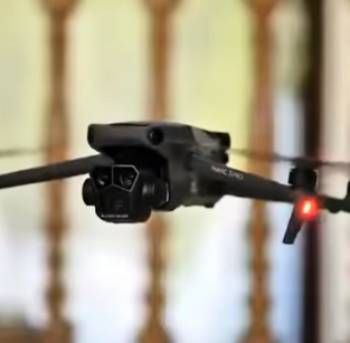
Evaluating an entry-level multi-rotor aircraft requires balancing its convenient portable packaging against its systemic electronic defects and structural durability issues.
The folding consumer quadcopter presents a few interesting transport ideas alongside some highly problematic manufacturing shortcuts that you cannot ignore.
Pros:
- The folding motor arm architecture allows the frame to fit inside small backpack compartments for easy transport.
- The inclusion of dual modular battery packs provides an immediate secondary power swap during field operations.
- The bright orientation LEDs mounted on the chassis help the pilot track the vehicle stance during low-light sessions.
- The basic controller layout utilizes simple labeled buttons that make initial takeoffs easy for complete novices.
- The affordable purchase package includes protective prop guards that shield the plastic blades from minor bush scrapes.
Cons:
- The low-resolution optical sensor uses internal software upscaling to fake high-definition video files:
- The fragile brushed motor assemblies experience severe heat buildup and strip internal plastic gears rapidly:
- The local wireless transmission link drops out completely when the aircraft exceeds a short distance threshold:
- The lightweight chassis lacked internal global positioning stability causing immediate drifting in minor outdoor breezes:
- The mobile application interface crashes continuously on modern smartphone operating systems during active video streams:
- The physical plastic shell cracks easily upon landing impact due to ultra-thin polymer material construction choices.
Head-to-Head Competitor Comparisons
- Lanus 4K Drone Vs. DJI Mini 2 SE
The DJI Mini 2 SE represents the gold standard for reliable, entry-level aerial photography within the global consumer marketplace.
Unlike the flimsy, uncalibrated plastic shell of its heavily marketed competitor, the DJI model features advanced down-facing vision systems paired with rock-solid satellite positioning locks.
The structural stability of the DJI brushless motors provides an incredibly smooth flight performance that easily cuts through fifteen-mile-per-hour coastal winds without drifting.
The proprietary OcuSync transmission technology offers a clean, uninterrupted high-definition video feed across several miles of open territory.
The budget folding alternative offers a cheaper initial price tag, which draws in buyers looking for an inexpensive weekend toy.
However, DJI avoids utilizing cheap interpolated camera sensors, making it a far superior investment for capturing genuine, production-ready video files.
- Lanus 4K Drone Vs. Potensic Atom SE
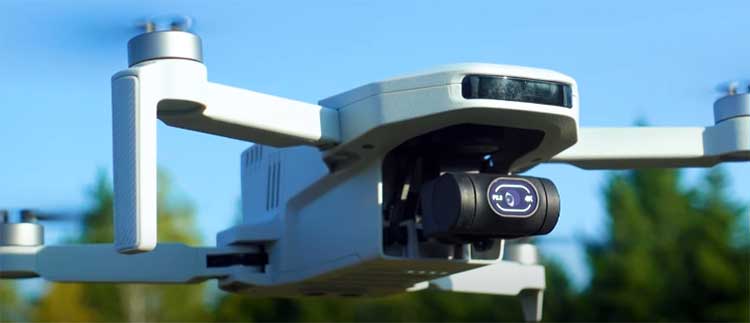
The Potensic Atom SE delivers a highly capable, sub-two-hundred-and-fifty-gram camera platform engineered specifically for budget-conscious content creators.
It features a true high-definition Sony sensor mounted on a stable electronic roll stabilization system that actively eliminates rhythmic motor vibrations from your footage.
This advanced stabilization ensures your landscape videos remain perfectly level and completely free of the jelly-like distortion lines common in cheap toy aircraft.
The budget triple-camera alternative relies on fixed, unstabilized lenses that tilt awkwardly whenever the drone sways in the air.
While the lower-tier option provides an array of fake sensor windows, Potensic focuses entirely on high-speed brushless flight reliability and real telemetry tracking.
The durable construction of the Atom SE survives minor pilot errors with almost no risk of total motor gear failure.
- Lanus 4K Drone Vs. Holy Stone HS175D
The Holy Stone HS175D is a well-established intermediate training quadcopter that focuses entirely on teaching pilots solid manual control habits.
It ignores flashy multi-camera gimmicks entirely, utilizing a dependable single-axis motorized camera housing that shoots real high-definition images onto an internal storage card.
This physical media recording path ensures your captured files remain entirely free of the transmission glitches and wireless compression drops found in cheap application feeds.
The unverified folding unit looks highly versatile on its sales page and promises extreme automated tracking modes during promotional clips.
However, the Holy Stone engineering provides a much more predictable control stick response that does not leave you fighting unexpected flyaway tendencies.
The solid global positioning return-to-home routine remains completely reliable, preventing the vehicle from wandering off into distant trees.
- Lanus 4K Drone Vs. DJI Neo
The DJI Neo targets the modern vlogging and fast-action social media market with a heavy emphasis on automated tracking intelligence.
It is crafted with fully enclosed propeller guards combined with palm-takeoff software routines that eliminate the need for a traditional hand controller during basic tracking shots.
The advanced artificial intelligence subject tracking follows your movements smoothly, ensuring you stay centered in the frame during outdoor running sessions.
The budget mass-market alternative uses exposed plastic blades and an unreliable mobile app that struggles to maintain basic flight synchronization.
DJI also provides a highly advanced internal storage array that transfers your final video projects directly to your phone via high-speed wireless protocols.
The software optimization is vastly superior, making it a much safer alternative for users seeking a hands-free recording tool.
- Lanus 4K Drone Vs. Alpha01 Basic Quadcopter
The Alpha01 Basic Quadcopter is a direct competitor in the ultra-budget holiday gift space, offering a simple folding frame layout.
It provides a basic four-channel remote transmitter paired with flexible plastic landing skids to absorb rough backyard impacts cleanly.
However, both of these entry-level toy options suffer from frequent wireless connection drops, including sudden motor stalls during low-battery warning phases.
The Alpha01 model features an open internal bay layout that allows users to swap out cheap replacement motors without soldering wires.
The alternative marine-themed model looks slightly more aerodynamic, but both devices require completely indoor conditions to avoid drifting away permanently.
Also Read: My Experience With DJI Mini 4K Vs. Mini 4 Pro
Frequently Asked Questions (FAQs)
The current top five best consumer drones on the market are dominated by industry leaders, including the DJI Mavic 3 Pro for professional cinematography, the DJI Mini 4 Pro for sub-249g travel photography, the Potensic Atom for budget creators, the DJI Air 3 for intermediate flight range, and the Autel Robotics EVO Lite Plus for low-light performance.
Buying an ultra-cheap drone under one hundred dollars is rarely worth the investment if you expect high-quality photos or stable outdoor flight performance. These cheap toy-grade models lack brushless motors and reliable global positioning systems, which regularly leads to immediate crashes, motor burnouts, or windy flyaway incidents.
The best consumer drone for genuine, high-bitrate 4K video recording is the DJI Mavic 3 Pro, which features a premium Hasselblad micro four-thirds camera sensor. For a more accessible budget, the DJI Mini 3 or Potensic Atom delivers beautiful, uncompressed 4K video with physical mechanical gimbal stabilization.
An 8K drone is only better than a 4K drone if it utilizes a physically larger camera sensor and a high-end processing engine to handle the increased data load. Many cheap generic drones advertise fake 8K resolution using internal software trickery while using a terrible sensor that looks worse than a real 1080p camera.
Final Thoughts
Capturing pristine aerial media files and enjoying stress-free flight sessions across open terrain requires selecting quadcopters that prioritize brushless motor power and true physical sensor resolution.
If you want to protect your financial investment and ensure your aircraft returns safely to your landing pad every single time, you should buy your aerial equipment from established, industry-verified drone manufacturers.
The overwhelming volume of real-world buyer complaints regarding immediate motor gear stripping, corrupted video files, and dangerous control drift makes the Lanus 4K Drone an incredibly risky addition to your gear bag.
To ensure your outdoor recording sessions remain completely successful without risking sudden signal dropouts or physical airframe smashups, you should buy an industry-standard brushless quadcopter instead.
Taking a careful, highly analytical approach to your technology purchases will keep your data perfectly secure and your aircraft flying smoothly over the long run.