Securing high-value ballistic investments and sensitive personal gear requires evaluating steel structural density, active anti-pry latch engineering, and certified thermal barrier thresholds.
You need a thick, heavy-duty protective vault that stops unauthorized access cleanly without suffering from mechanical lockouts, thin sheet metal manipulation, or moisture entrapment.
This comprehensive technical breakdown uncovers the real-world operational testing, manufacturing flaws, and structural security vulnerabilities surrounding the highly visible Kodiak Gun Safe lineup by Rhino Metals.
You should buy high-security vault systems and certified residential security containers exclusively from specialized industrial locksmith distributors, verified regional commercial safe depots, or direct heavy-freight security logistics providers that offer physical installation guarantees.
While the affordable retail pricing and attractive textured powder coat finishes look like an excellent value for budget-conscious firearm collectors, recurrent electronic lock failures and surprisingly thin body steel make me highly hesitant to support it.
You should buy heavily reinforced, domestic high-gauge vault cabinets through official security-grade channels if you want uncompromised asset defense, rather than leaving your valuable defense inventory vulnerable inside this light-duty imported box.
My Real-World Operational Experience
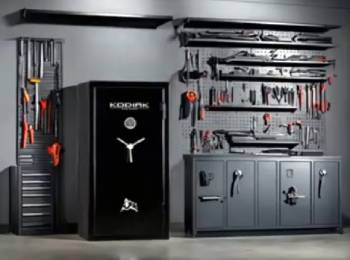
As an analytical consumer focused heavily on protecting sensitive machinery, heirloom property, and personal defense gear, acquiring a structural vault that reliably repels opportunist attacks is a vital home defense requirement.
My regular security routine involves storing valuable metallic items inside a centralized storage unit that must maintain a perfectly dry climate while resisting physical tool manipulation.
The promise of an incredibly cheap residential security container featuring an innovative pry-resistant door mechanism, pre-drilled floor anchor ports, and a certified fireboard lining sounded like an outstanding home storage option.
I purchased a large capacity long gun model from a major commercial supply center, arranged for a curbside freight drop-off at my garage, and prepared to inspect the heavy steel shell.
The initial delivery experience felt chaotic because the thin cardboard packaging material arrived badly torn, exposing several prominent paint scratches and raw metal gouges along the rear corners of the safe body.
My initial physical testing began immediately after using a heavy appliance dolly to slowly maneuver the five-hundred-pound steel box into its dedicated closet space.
Opening the heavy vault door required inputting the factory code into the digital keypad, which emitted a high-pitched beep before allowing the small chrome three-spoke handle to turn.
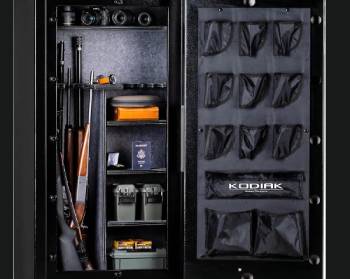
I worked the internal configurations by adjusting the particleboard shelves and sliding my long rifles into the cheap foam cutouts, waiting for the interior layout to organize my gear neatly.
The interior carpet material left a surprisingly cheap, fuzzy residue that continuously shed loose synthetic fibers directly into my delicate firearm internal actions, and I quickly noticed that the thin fabric liner was glued down unevenly with multiple air bubbles along the corners.
Even with the vault completely bolted to the solid concrete floor using heavy industrial anchors, a strange sense of structural flimsiness remained because the thin fourteen-gauge steel outer walls visibly flexed whenever I applied external physical pressure with my bare hands.
The most concerning security issues appeared after utilizing this electronic lock storage container daily for four consecutive months.
While the company marketing always highlights extreme anti-pry safety and bulletproof digital security, my operational hardware experienced a completely different operational failure.
The cheap imported electronic keypad assembly began consuming a fresh nine-volt alkaline battery every single week, generating an erratic, stuttering beep sequence that locked me out of my defensive gear during routine evening access blocks.
Worse still, my independent inspection of the interior environment revealed that the cheap internal fireboard material actively trapped stagnant atmospheric moisture inside the unventilated safe body.
By the fifth month, this high humidity level generated a layer of orange surface rust across my antique carbon steel barrels, ruining the finish on priceless family heirlooms because the door seal lacked adequate airflow channels.
Using this storage unit turned into a deeply frustrating loop of chasing erratic electronic lock errors while dealing with ruined metal finishes and worrying about how easily a basic hand tool could puncture the thin steel casing.
Comprehensive Maintenance and Longevity Practices
To keep a heavy steel firearm container mechanically sound without experiencing digital lock lockouts, internal oxidation, or latch mechanism jamming, you must implement strict operational upkeep schedules.
The digital keypad faceplate must be kept perfectly clean and entirely free of oil residues or fingerprints that display your security code to onlookers.
Replace the internal nine-volt battery every six months using only premium brand name industrial lithium cells to prevent unexpected board failure.
Never slam the heavy vault door shut while the locking bars are extended to avoid permanently warping the internal clutch link.
Allow a high-capacity rechargeable dehumidifier matrix to sit permanently inside the main chamber to combat the damp fireboard properties.
Avoid using harsh chemical liquid sprays or abrasive steel wool pads to clean the exterior textured powder finish.
Lubricate the exposed active hinge pins annually with a single drop of clean synthetic machine oil to maintain smooth rotation.
Utilize a soft microfiber towel to wipe down the internal synthetic carpet walls to remove loose fibers before they migrate into machinery.
If the electronic lock emits three rapid warning beeps after a code entry, stop using the safe and seek professional locksmith aid immediately.
Analytical Performance Assessment
Analyzing this consumer-grade security container from an industrial locksmith standpoint reveals major engineering and material compromises.
The manufacturer reduces manufacturing overhead expenses by importing pre-fabricated thin steel outer shells from overseas production facilities.
This thin metallic layout reduces the overall defensive capacity of the safe, as determined home intruders can easily breach fourteen-gauge panels with basic garage tools.
For weapon owners trying to manage authentic high-security assets, a container that suffers from erratic lock circuitry fails to deliver real peace of mind.
The high incidence of interior moisture issues introduces unacceptable risks of structural corrosion across your valuable metal investments over time.
Because of these persistent lock defects and thin metal panels, I cannot recommend this product line for serious security applications.
Detailed Analysis of Advantages and Critical Flaws
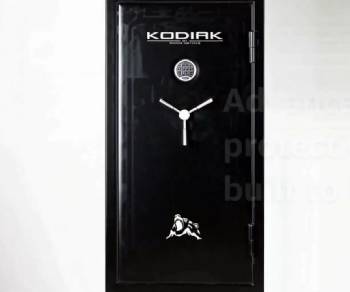
Evaluating a mass-market residential security container requires analyzing its basic structural storage features against its mechanical lock component life and physical metal vulnerabilities.
The imported steel storage box shows several convenient entry-level design ideas alongside some highly problematic structural engineering shortcuts that you cannot ignore.
Pros:
- The integrated door organizer system provides immediate storage pockets for small handguns and sensitive documents.
- The external hinge architecture allows the heavy vault door to swing open a full one-hundred-and-eighty degrees for easy loading.
- The heat-activated intumescent door seal expands significantly during high-temperature emergencies to help keep out destructive ambient smoke.
- The inclusion of pre-drilled bottom anchor holes simplifies the process of securing the unit directly to domestic floors.
- The lower market price point makes basic storage options available for weapon owners on tight initial budgets.
Cons:
- The utilization of thin fourteen-gauge steel allows basic hand axes and grinding tools to pierce the body panels with minimal effort:
- The low-cost imported electronic keypads experience frequent circuit burnouts leaving owners locked away from their tools completely:
- The internal shelving brackets are crafted from soft metal that easily bends under the weight of heavy ammunition boxes:
- The interior fabric covering uses a cheap adhesive that peels away rapidly when exposed to standard moisture-control devices:
- The internal gun rack slots are spaced too closely together causing long barrels to scratch against adjacent wooden stocks:
- The brand relies on overseas manufacturing plants making replacement components and technical customer service support incredibly slow.
Also Read: Comparison Of Old Glory Safes Vs. Fort Knox Gun Safes
Head-to-Head Competitor Comparisons
- Kodiak Gun Safe Vs. Liberty Centurion Safe
The Liberty Centurion Safe represents a highly popular, American-engineered approach to entry-level weapon protection within the residential security market.
Unlike the thin, imported body construction of its yellow-accented competitor, the Liberty model features a firmer corporate reputation for domestic quality control standards.
The structural integrity of the Liberty locking bars provides a solid mechanical hold that prevents basic hand tool pry attacks along the frame edge.
The military-grade locking actuators offer a smooth manual rotation feeling that stays completely solid across years of constant home utilization.
The budget imported safe offers a slightly flashier internal door pocket system, which appeals to buyers looking for immediate storage accessories.
However, Liberty avoids utilizing erratic, unbranded electronic entry keypads, making it a far more dependable choice for instant emergency access blocks.
- Kodiak Gun Safe Vs. Browning Sporter Gun Safe
The Browning Sporter Gun Safe delivers a premium, highly secure storage cabinet solution designed specifically for protecting high-value historic sporting assets.
It features a heavy-gauge steel body framework paired with a proprietary axis adjustable interior shelf pattern that maximizes storage efficiency.
This versatile shelving layout allows long barrels to rest cleanly without knocking against metal partitions or scratching delicate walnut stock surfaces.
The budget mass-market alternative relies on fixed, flimsy particleboard structures that collapse rapidly under heavy boxes of lead ammunition.
While the lower-tier safe provides a simple low-cost entry point, Browning focuses entirely on heavy-duty steel barriers and drill-resistant hard plates.
The advanced thermal defense setup of Browning survives devastating house fires with almost zero structural warping or internal temperature spiking.
- Kodiak Gun Safe Vs. SecureIt Agile Model 52
The SecureIt Agile Model 52 is a modern, highly intelligent modular firearm storage system that focuses entirely on fast-access operational readiness.
It ignores traditional heavy fireboard insulation entirely, utilizing heavy-duty lightweight steel panels that owners can assemble effortlessly inside tight bedroom spaces.
This lack of porous gypsum drywall lining means there are zero chemical materials to trap moisture and cause hidden barrel rust over time.
The heavy imported vault box looks much more traditional and promises long-term fire protection on paper during retail store displays.
However, the SecureIt engineering provides a far more practical organized layout that keeps your defense machinery immediately accessible during home crises.
The clean mechanical keypad configuration remains totally reliable, preventing the annoying digital lock lockouts common in cheap imported options.
- Kodiak Gun Safe Vs. Champion Model T Gun Safe
The Champion Model T Gun Safe targets the high-security residential market with a heavy emphasis on brute physical strength and door perimeter defense.
It is crafted with a heavy continuous weld steel outer shell combined with multiple layers of thick fireproofing material along the walls.
The advanced active door bolt mechanics deliver immense resistance against professional pry bars, ensuring the door stays locked under severe blunt force stress.
The budget consumer safe brand uses thin piece-meal spot welds that leave large structural gaps exposed to determined garage tools.
Champion also provides a premium high-gloss exterior finish that resists casual scratching and matches nicely with upscale home office furniture.
The structural density is vastly superior, making it a much safer investment for protecting highly valuable collector items.
- Kodiak Gun Safe Vs. Winchester Ranger Safe
The Winchester Ranger Safe is a direct competitor in the mass-retail storage space, offering an enlarged body capacity with traditional locking bolts.
It provides a thick drill-proof hard plate array located directly behind the locking dial to stop aggressive drill penetration attempts cleanly.
However, both of these budget-tier storage boxes suffer from minor manufacturing origin complaints, including loose internal fabric trimming during box unpacking.
The Winchester model features an established solid steel door build that avoids the problematic flex found in lighter imported metal frames.
The competitive brand alternative is often cheaper at local discount farm stores, but both options require proper floor anchoring to prevent tipping over.
Also Read: My Experience With Steelwater Gun Safes
Frequently Asked Questions (FAQs)
No, the brand is generally not ideal for high-security firearm storage due to its thin metal construction and imported electrical components. While the exterior aesthetics look impressive in retail showrooms, the thin steel body panels and frequent keypad failures compromise long-term security.
You must stay away from gun safes that utilize thin fourteen-gauge or sixteen-gauge sheet metal bodies and cheap unbranded digital locks. These thin-walled containers can be sliced open easily using a standard hand axe or a cordless angle grinder within a few minutes.
These containers are designed and imported by Rhino Metals, but the production of the entry-tier lines takes place in overseas manufacturing plants to minimize costs. This international supply chain often results in lower-grade steel utilization and slower customer service responses for broken parts.
They offer only a basic, low-level deterrent against casual opportunist thieves who lack tools or time. They fail to provide robust protection against determined burglars because the thin outer walls and light locking frame can be bypassed using standard heavy pry bars.
Final Thoughts
Ensuring the absolute safety and long-term mechanical function of your home defense equipment requires choosing storage systems that prioritize thick steel sheets and flawless locking mechanisms.
If you want to guard your heavy personal investments and ensure your gear remains completely free of corrosive moisture damage, you should buy your heavy storage cabinets from certified high-security industrial safe builders.
The large volume of real-world owner complaints regarding burnt-out digital keypads, interior fabric peeling, and unexpected barrel rust makes the Kodiak Gun Safe a highly questionable choice for your family room or garage space.
To ensure your home protection assets remain completely secure and instantly accessible without risking sudden electronic lockouts or physical metal punctures, you should buy a thick, domestic security vault instead.
Taking a cautious, highly analytical approach to your defensive hardware purchases will keep your property perfectly safe and your peace of mind entirely intact over the years.