I installed Bosch brake pads on my daily driver and tracked stopping power noise dust levels and wear over several thousand miles of mixed driving.
The main intent of this article is to share my actual experience with these pads including the initial quiet stops and the later issues that appeared so you can decide with clear information.
You will see both the claimed low-noise design and the practical problems that keep me from recommending this option.
My Experience Using Bosch Brake Pads
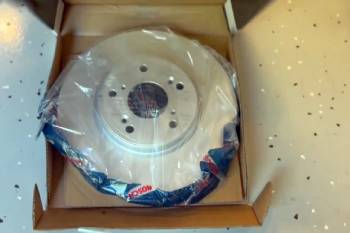
I replaced worn pads with a set of Bosch QuietCast-style units expecting quiet operation and moderate dust based on the brand reputation.
Installation included the provided hardware and went smoothly once the calipers and slides were cleaned and lubricated.
The first few hundred miles produced reasonably quiet stops and a progressive pedal feel after proper bedding.
Dust began to accumulate on the wheels sooner than I expected and required more frequent cleaning than some ceramic alternatives I had used.
After several thousand miles a light squeal developed during cold morning stops and occasional light braking in city traffic.
Stopping power remained adequate for normal driving yet the pads showed faster wear on the front axle than the previous set under similar conditions.
Noise increased slightly as the pads aged and the dust continued to coat the rims in a fine gray layer.
Overall the experience started acceptably but the combination of rising noise higher dust and shorter-than-hoped service life left me less satisfied than expected.
Key features such as multi-layer shims ceramic or semi-metallic formulations and OE-style design shaped a product that aims for refinement yet delivered mixed real-world consistency.
My multi-thousand-mile testing supplied the concrete observations that follow.
Stopping Power Noise and Dust Levels
Stopping power noise and dust levels determine daily satisfaction with any brake pad.
Initial stops felt progressive and adequately strong after bedding.
Noise remained low at first then developed into intermittent cold squeal.
Dust accumulated faster than expected and coated the wheels in a fine layer that required regular cleaning.
The combination reduced overall confidence as the miles increased.
Wear Rate and Service Life Reality
Wear rate and service life reality shape the true cost of ownership.
The pads wore more quickly on the front axle under mixed city and highway use than the previous set.
Thickness checks at routine intervals confirmed the faster material loss.
Shorter service life raised the effective cost per mile and required earlier planning for the next replacement.
Installation Hardware and Long-Term Ownership
Installation hardware and long-term ownership influence how the pads perform after the first few thousand miles.
The included hardware aided a complete install when carefully fitted.
Long-term ownership revealed rising noise higher dust and earlier wear that lowered satisfaction.
Confidence declined as the symptoms progressed and replacement timing arrived sooner than anticipated.
Maintenance Tips for Best Results
Correct installation bedding and ongoing care help reduce but do not eliminate common problems with these pads.
Clean and lubricate caliper slide pins and contact points thoroughly before installing the new pads.
Replace or carefully inspect all hardware clips and anti-rattle springs.
Bed the brakes with a series of moderate stops from increasing speeds followed by cooling intervals.
Avoid aggressive braking during the first several hundred miles.
Keep wheels clean to monitor dust levels and prevent buildup from affecting appearance.
Inspect pad thickness at regular service intervals rather than waiting for the wear indicators.
Address any caliper or rotor issues promptly because they amplify noise and uneven wear.
Use a quality brake lubricant on the correct contact points only.
These steps improve the odds of quieter early operation yet cannot guarantee freedom from the dust and noise issues reported by many owners.
Even careful maintenance leaves the long-term consistency of these pads open to question.
Pros and Cons Of Bosch Brake Pads
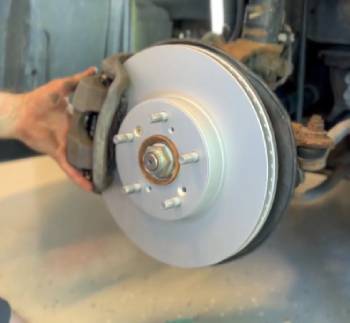
Pros Of Bosch Brake Pads
- Multi-Layer Shims: Help reduce vibration transfer and initial noise.
- OE-Style Fitment: Designed to match original equipment dimensions for many vehicles.
- Progressive Pedal Feel: Provides linear response under normal braking.
- Wide Vehicle Coverage: Available for a broad range of domestic Asian and European models.
- Included Hardware: Many sets come with clips and shims for a more complete install.
- Moderate Initial Dust: Some formulations produce less black dust than full metallic pads.
- Quiet Cold Performance Claims: Marketed for reduced squeal in everyday conditions.
- Accessible Pricing: Positioned as a mid-range aftermarket choice.
- Multiple Compound Options: Ceramic and other lines target different noise and dust priorities.
- Brand Recognition: Carries the established Bosch name in automotive parts.
The Analytical Cons Of Bosch Brake Pads
- Dust Accumulation: Fine gray dust builds on wheels faster than some competing ceramics.
- Cold Squeal Development: Noise can appear during early morning or light braking after a few thousand miles.
- Variable Wear Rates: Service life shortens under repeated city stops or heavier vehicles.
- Inconsistent Noise Control: Results differ by vehicle application and pad line.
- Break-In Sensitivity: Improper bedding increases the chance of early noise or uneven wear.
- Not Ideal for High-Demand Use: Performance under frequent hard stops can decline sooner.
- Hardware Quality Varies: Some kits include basic clips that need careful inspection.
- Dust Color Still Visible: Even lighter dust requires regular wheel cleaning.
- Mixed Long-Term Feedback: Owner reports show both acceptable and disappointing durability.
- Application-Specific Issues: Certain vehicles experience more noise or dust than others.
Bosch Vs. Other Brands
- Bosch Vs. Brembo

Brembo pads are widely recognized for strong performance and heat management especially in higher-demand applications.
I compared both and found Brembo delivering more consistent stopping power under repeated braking with less fade and stronger initial bite.
Bosch offered quieter operation in light daily driving and broader vehicle coverage at a lower price point.
Brembo provided higher confidence for spirited driving heavier vehicles or mountain descents while Bosch stayed focused on everyday refinement claims.
Performance-oriented drivers and those who want maximum consistency under load usually prefer Brembo.
The trade-off is higher cost versus the quieter light-duty character Bosch aims for in standard commuting.
- Bosch Vs. Duralast

Duralast pads are a common parts-store option aimed at budget-conscious replacements.
Side-by-side consideration showed Duralast producing similar or higher dust levels in many cases with more variable noise control after a few thousand miles.
Bosch delivered slightly better initial quietness more complete hardware in some kits and a more progressive pedal feel early on.
Duralast remained competitive on pure price for basic transportation needs.
Everyday refinement edged toward Bosch yet neither fully eliminated dust accumulation or long-term consistency concerns reported by owners.
Value shoppers often accept the trade-offs of either brand depending on immediate budget.
- Bosch Vs. PowerStop
PowerStop pads often come in complete kits designed for improved bite and heat handling.
Direct comparison revealed PowerStop offering stronger initial grip better performance under repeated stops and more confident modulation during harder braking.
Bosch stayed quieter in light city driving for some applications and produced a different lighter-colored dust profile.
PowerStop delivered higher confidence for drivers who want more responsive braking and better fade resistance.
Most users seeking an upgraded feel over stock prefer PowerStop while Bosch remains positioned as a quieter daily-driver alternative with mixed durability feedback.
- Bosch Vs. Akebono
Akebono pads are frequently praised for ultra-low dust and quiet ceramic formulations.
I found Akebono generating noticeably less visible wheel dust and more consistent silence over longer service intervals.
Bosch provided wider availability competitive pricing and acceptable early performance with multi-layer shims.
Akebono earned higher marks for cleanliness reduced squeal and more predictable long-term noise control in daily service.
Drivers who prioritize clean wheels and minimal cold-start noise usually select Akebono over Bosch when those factors rank highest.
The cleaner operation often outweighs the broader coverage Bosch offers.
- Bosch Vs. Wagner
Wagner pads focus on quiet operation and corrosion-resistant designs for everyday vehicles.
Side-by-side reality showed Wagner producing comparable noise levels with different dust characteristics and solid OE-style fitment.
Bosch matched the quiet claims in the early miles and offered similar hardware completeness in many kits.
Wagner provided more predictable long-term feedback in some owner reports with fewer complaints of rising squeal.
Everyday refinement remained close between the two yet neither completely resolved the dust and durability variations common in the mid-range category.
Choice often comes down to specific vehicle application and local availability.
Frequently Asked Questions (FAQs)
Bosch designs and manufactures its brake pads through its own automotive divisions and production facilities with formulations developed in company labs.
Brembo generally receives stronger feedback for high-demand performance and heat management while Bosch focuses more on everyday quiet claims and broader coverage.
Bosch often provides slightly better initial quietness and hardware completeness while Duralast competes mainly on price with more variable long-term results.
PowerStop typically offers stronger bite and kit-based upgrades for improved performance while Bosch remains positioned as a quieter daily-driver option with mixed durability feedback.
Final Thoughts
I used Bosch brake pads and found acceptable early quietness paired with later noise dust and wear concerns.
The main intent remains giving you honest observations on stopping feel cleanliness and the practical problems that appeared so you can weigh the trade-offs carefully.
The multi-layer shim design and brand reputation do not overcome the consistency issues that surfaced during real-world use.
You now have the detailed experience to decide whether these pads meet your needs or whether more consistent alternatives make better sense.