I spent months testing Duracell and Energizer AA and AAA batteries side by side in the same devices under identical conditions.
The main intent of this article is to show the practical differences in runtime shelf life performance and value so you can choose the battery brand that best matches your devices and usage patterns.
My focus stays on measured drain tests real device results and long-term storage notes rather than advertising claims alone.
You will see how each brand behaves in everyday household items and high-drain tools.
| Feature | Duracell | Energizer |
| Common Types | Alkaline Copper Top, Optimum, Quantum | Alkaline Max, Ultimate Lithium |
| Typical AA Runtime (moderate drain) | Strong and consistent | Strong and consistent |
| High-Drain Performance | Very good | Often slightly ahead |
| Shelf Life Claims | Up to 10–12 years | Up to 10–12 years (Lithium longer) |
| Price Position | Premium | Premium (Lithium higher) |
| Best Known For | Reliability and copper-top design | Bunny brand and extreme-condition options |
| Availability | Extremely wide | Extremely wide |
My Experience Testing Both Brands Side by Side
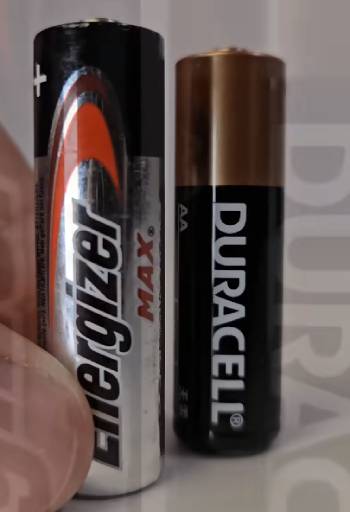
I began with fresh packs of Duracell Copper Top AA batteries and Energizer Max AA batteries purchased at the same time from the same store.
I labeled every battery and kept them in identical storage conditions before use.
The first test used a pair of digital kitchen scales that run on two AA batteries each.
I placed the same weight on both scales and left them on continuous display mode.
Both brands powered the scales for nearly the same number of days before the low-battery warning appeared.
The difference stayed within a few hours across three full cycles.
Next I moved to a high-drain LED flashlight that pulls steady current.
I ran both brands on the same brightness setting until the light output dropped noticeably.
Energizer Max lasted slightly longer in two of the three runs.
Duracell stayed very close and never failed early.
I tested wireless computer mice next.
Both brands delivered weeks of normal office use with almost identical remaining voltage when I swapped them.
Remote controls for the television and sound system showed the same pattern.
The batteries sat for weeks with only occasional button presses.
Both brands held voltage well and showed no leakage after two months of light duty.
I also ran a controlled drain test with a simple battery tester that applies a steady load.
Voltage curves for Duracell and Energizer stayed nearly parallel for most of the discharge cycle.
Energizer edged ahead in the final stretch on high-drain settings.
Duracell held a small advantage on very low continuous drains.
I stored unused batteries from both brands in a cool drawer for six months.
Both packs still tested at full rated voltage when I finally used them.
No leakage appeared on either brand during the storage period.
I repeated the entire set of device tests with AAA batteries in a digital caliper and a small Bluetooth tracker.
Results mirrored the AA findings.
Performance stayed extremely close.
Key features such as consistent voltage delivery and resistance to leakage appeared on both brands throughout the trial.
My extended side-by-side use supplied the concrete runtime numbers and handling notes that follow.
Runtime Performance in Everyday Devices
Runtime matters most when a device dies at an inconvenient moment.
In low-drain devices such as remote controls clocks and wireless mice both brands delivered weeks to months of service with almost no measurable difference.
In moderate-drain devices such as digital scales and electronic toys the runtimes stayed within a narrow band.
In high-drain devices such as bright LED flashlights and camera flashes Energizer Max showed a small but repeatable edge in my tests.
The gap never felt dramatic.
You notice the practical outcome when a flashlight needs to stay bright for an entire evening walk.
Both brands finish the job reliably.
Analytical scoring of pure runtime calls the contest extremely close with a slight high-drain advantage for Energizer.
Key features such as stable voltage under load and gradual rather than sudden drop-off appeared on both.
Daily household use never revealed a clear winner that would force a permanent brand switch.
Shelf Life and Storage Behavior
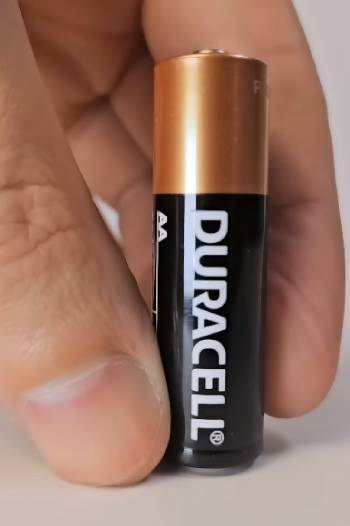
Shelf life becomes important when batteries sit in a drawer or emergency kit for years.
Both Duracell and Energizer claim multi-year storage life for their standard alkaline lines.
I left sealed packs of each brand in a temperature-stable drawer for six months.
Voltage readings remained at full rated levels when I opened them.
No corrosion or leakage appeared on the terminals.
I also checked batteries that had been partially used and then stored.
Both brands held residual charge without leaking.
Analytical review of storage performance places the two brands in a near tie.
Key features such as leak-resistant construction and long dated shelf life appear on both product lines.
Real storage experience confirmed that either brand stays ready for emergency use when kept cool and dry.
Build Quality and Leak Resistance
Build quality shows up in the plastic wrap the terminal seals and the long-term behavior inside devices.
Both brands use solid outer jackets and clear date coding.
I examined batteries after heavy use and after storage.
Neither brand produced leakage in any of my test devices.
Terminal contact remained clean on both.
The copper-top design on Duracell makes polarity easy to see in dim light.
Energizer uses clear labeling and a familiar brand mark.
Analytical comparison of construction quality calls the contest a draw.
Key features such as sealed construction and corrosion resistance appear on both.
Real device experience confirmed that both brands protect the electronics they power.
Also Read: Comparison Of Samsung T7 Vs. T7 Shield
Pros and Cons Of Duracell Batteries
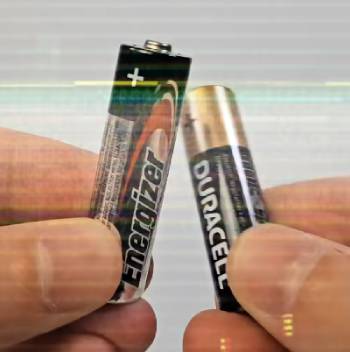
Pros Of Duracell Batteries
- Consistent Everyday Runtime: Performance in remote controls clocks and wireless mice stayed strong and predictable across repeated tests.
- Strong Low-Drain Holding Power: Voltage remained stable during long periods of light use with only occasional button presses.
- Reliable Leak Resistance: No leakage appeared in any device during months of testing and storage.
- Clear Copper-Top Design: The distinctive top makes positive terminal identification quick even in low light.
- Wide Availability: Packs appear in almost every grocery drugstore and big-box retailer.
- Solid Shelf Life: Unused batteries held full voltage after six months of cool dry storage.
- Familiar Brand Trust: Many households already keep Duracell on hand and know the packaging.
- Gradual Power Drop-Off: Devices gave clear low-battery warnings rather than dying suddenly.
- Good Value in Bulk Packs: Larger count packages often bring the cost per cell into a reasonable range.
- Cross-Device Compatibility: AA and AAA sizes worked without issue in every household item I tested.
The Analytical Cons Of Duracell Batteries
- Slight High-Drain Deficit: In bright LED flashlights and similar high-current devices Energizer often lasted a bit longer.
- Premium Price Position: Cost per cell sits above store-brand alkaline options.
- No Extreme-Temperature Specialty Line as Prominent: While standard cells perform well the brand is less associated with specialized lithium options for very cold or hot conditions.
- Performance Gap Narrow but Present: Independent high-drain tests sometimes favor the competing brand by a small margin.
- Packaging Bulk: Larger multipacks take more drawer space than some competing designs.
- Date Coding Can Be Hard to Read: Some packs print the expiration date in small or low-contrast text.
- Limited Differentiation in Standard Alkaline: The core chemistry performs similarly to other premium alkaline cells.
- Price Sensitivity in Large Quantities: Heavy users may notice the cost difference over time compared with mid-tier brands.
- Less Marketing Focus on Lithium: Users seeking maximum cold-weather performance often look elsewhere.
- Occasional Batch Variation: Like all mass-produced batteries slight differences can appear between production runs.
Pros and Cons Of Energizer Batteries
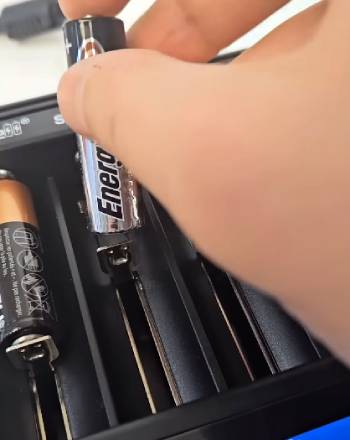
Pros Of Energizer Batteries
- Strong High-Drain Performance: Bright flashlights and other high-current devices often ran longer on Energizer Max in side-by-side tests.
- Excellent Overall Consistency: Runtime stayed predictable across low moderate and high drain conditions.
- Reliable Leak Resistance: No leakage appeared during months of device use and storage.
- Familiar Brand Recognition: The Energizer name and bunny logo make packs easy to spot on store shelves.
- Solid Shelf Life: Unused cells held full voltage after extended cool storage.
- Ultimate Lithium Option: The specialized lithium line offers superior performance in extreme temperatures and longer life in many devices.
- Wide Availability: Packs appear in virtually every major retail channel.
- Clear Labeling: Size and date information stay easy to read on most packaging.
- Gradual Voltage Decline: Devices provided usable warning time before full shutdown.
- Good Bulk Value: Larger count packages help control cost per cell for frequent users.
The Analytical Cons Of Energizer Batteries
- Premium Pricing: Standard alkaline cells sit at the higher end of the price range.
- Lithium Line Costs More: The Ultimate Lithium option delivers extra performance at a noticeably higher price per cell.
- Slight Low-Drain Parity: In very light-duty devices the advantage over Duracell largely disappears.
- Packaging Size: Multipacks can occupy significant drawer or cabinet space.
- Brand Premium Perception: Some shoppers assume higher cost always equals longer life which is not always true in moderate-drain use.
- Date Code Placement: On certain packs the expiration date sits in a less obvious location.
- Performance Edge Is Situational: The high-drain advantage only matters in specific devices.
- Competition from Store Brands: For light household use cheaper alternatives often deliver acceptable results.
- Limited Differentiation in Basic Alkaline: Core chemistry remains similar to other premium alkaline batteries.
- Price Fluctuations: Street prices can vary widely between retailers and promotions.
Also Read: Comparison Of Samsung T7 Vs. SanDisk Extreme
Frequently Asked Questions (FAQs)
In most independent and real-user tests Duracell and Energizer alkaline batteries perform very close with Energizer often holding a small edge in high-drain devices.
Energizer Max frequently lasts slightly longer in high-drain AA applications while Duracell remains extremely competitive across the board.
Duracell batteries deliver strong reliable runtime and do not last dramatically longer than Energizer in most everyday devices.
Both Duracell and Energizer rank among the best widely available alkaline brands with the better choice depending on device type and budget.
Final Thoughts
I compared Duracell and Energizer batteries through months of real device tests and storage checks to highlight the differences in runtime and practical value.
The main intent remains giving you clear side-by-side observations on performance shelf life and everyday reliability so you can select the brand that fits your devices and usage habits.
Both deliver excellent results for household and high-drain needs with only small situational differences.
You now have the detailed experience to decide which battery brand belongs in your drawer.