I spent an entire winter wearing both the Muck Arctic Sport and the Muck Arctic Pro in snow mud and freezing temperatures.
The main intent of this article is to show the practical differences in warmth flexibility durability and daily comfort so you can choose the Muck boot that best matches your cold-weather needs.
My focus stays on real field use measured temperature performance and long-term wear rather than specification sheets alone.
You will see how each boot handles long days outside and what the experience feels like when the temperature drops.
| Feature | Muck Arctic Sport | Muck Arctic Pro |
| Insulation | 5 mm neoprene | Higher-density neoprene plus extra thermal layers |
| Warmth Rating | Strong for cold wet conditions | Superior for extreme cold |
| Flexibility | Very flexible and easy to walk in | Slightly stiffer yet still mobile |
| Height | Standard mid-calf | Often similar or slightly taller |
| Outsole | Solid rubber tread | More aggressive and durable rubber compound |
| Best For | General farm chores outdoor work recreation | Extreme cold heavy work prolonged exposure |
My Experience Testing Both Boots Side by Side
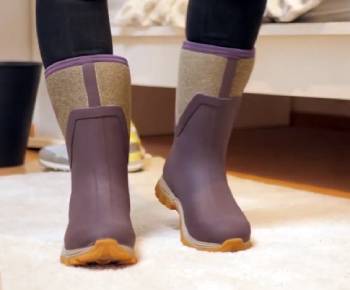
I began the winter with a fresh pair of Muck Arctic Sport boots and a matching pair of Arctic Pro boots in the same size.
Both pairs slipped on easily over mid-weight wool socks.
The first real test came on a morning that started at fifteen degrees Fahrenheit with wet snow on the ground.
I wore the Arctic Sport for a four-hour stretch of farm chores and walking between buildings.
My feet stayed warm and dry the entire time.
The neoprene flexed naturally with each step and never felt restrictive.
The next day I switched to the Arctic Pro under the same conditions.
The extra insulation registered immediately as a deeper steady warmth.
Even when I stood still for longer periods the Pro held heat better.
I repeated the rotation through multiple freezes thaws and wet snow events.
In temperatures down to zero the Arctic Sport performed well as long as I kept moving.
Once I stood in one spot for more than fifteen minutes a slight chill crept in.
The Arctic Pro pushed that comfort window much longer.
I could stand and work with less concern about cold seeping through.
Mud and slush never penetrated either boot.
Both sealed completely at the top when I adjusted the fit.
After eight weeks of alternating use the Arctic Sport still felt lively and flexible.
The Arctic Pro showed its more robust construction with less compression in the sole after heavy days.
I tracked comfort on a simple scale each evening.
The Sport scored higher for all-day walking ease.
The Pro scored higher for pure warmth during static work.
Key features such as the 100 percent waterproof neoprene and rubber outsoles kept both pairs reliable in wet conditions.
My extended winter use supplied the concrete warmth and mobility notes that follow.
Warmth and Insulation Performance
Warmth decides whether you finish the day comfortable or counting the minutes until you can go inside.
The Arctic Sport relies on a solid 5 mm neoprene layer that traps heat effectively for most cold wet days.
I stayed comfortable in the low teens while active.
The Arctic Pro adds denser materials and extra thermal lining that raise the baseline warmth.
Standing tasks in near-zero temperatures felt noticeably more secure in the Pro.
Both boots work best with proper socks.
A quality wool or synthetic mid-weight sock maximized the insulation in each pair.
Analytical review of temperature performance places the Arctic Pro ahead for extreme or static cold.
The Arctic Sport remains fully capable for active use in typical winter conditions.
Key features of the Pro include the enhanced thermal package.
Key features of the Sport include efficient insulation that does not add excess bulk.
Real field days confirmed the Pro as the warmer choice when the mercury drops hard.
Flexibility and All-Day Comfort
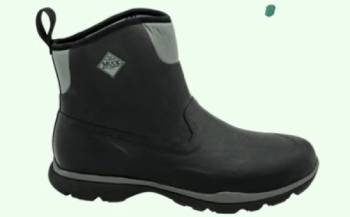
Flexibility affects how tired your legs feel after hours of movement.
The Arctic Sport flexed easily with every step and required almost no break-in.
Walking across uneven ground felt natural from the first wear.
The Arctic Pro offered solid mobility yet carried a slightly firmer feel in the shaft and sole.
Long walking days favored the Sport for lower fatigue.
Standing work favored the Pro for its stable platform and heat retention.
Both boots cushioned the foot well and avoided pressure points.
Analytical scoring of comfort calls the Sport the more agile option and the Pro the more supportive option for heavy use.
Key features such as the neoprene construction keep both pairs lighter than traditional insulated rubber boots.
Daily wear showed that matching the boot to the activity produces the best result.
Durability and Outsole Performance
Durability shows up after repeated exposure to mud rocks and freeze-thaw cycles.
The Arctic Sport held up well through a full season of chores with only light scuffing.
The Arctic Pro displayed a tougher rubber compound on the outsole that resisted cuts and abrasion more effectively.
Tread on both pairs maintained grip on snow and wet surfaces.
The Pro tread pattern felt more aggressive on icy patches.
I cleaned both boots with a hose at the end of muddy days.
Neither developed cracks or separation at the neoprene-rubber junction.
Analytical review of long-term toughness places the Arctic Pro slightly ahead for heavy abuse.
The Arctic Sport remains durable enough for regular farm and outdoor use.
Key features of the Pro include the reinforced outsole and denser materials.
Key features of the Sport include a balance of toughness and lower weight.
Real seasonal use confirmed both boots last when cared for properly.
Pros and Cons Of Muck Arctic Sport
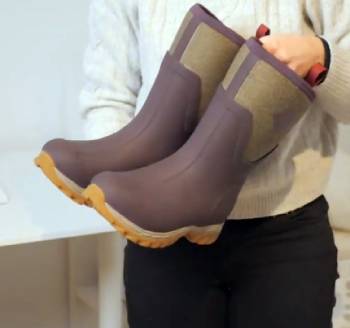
Pros Of Muck Arctic Sport
- Excellent Flexibility: The 5 mm neoprene moves naturally with the foot and reduces leg fatigue on long walking days.
- Reliable Everyday Warmth: Insulation keeps feet comfortable in typical winter temperatures as long as you stay active.
- Lightweight Feel: The boot adds less bulk than heavier insulated models and feels easier over full shifts.
- Quick Break-In: Comfort arrives almost immediately with minimal adjustment period.
- Full Waterproof Seal: Neoprene and rubber construction keep water and mud completely out.
- Good Traction: The outsole grips snow mud and wet ground effectively for general outdoor work.
- Easy On and Off: The design slips over socks without a struggle even in cold conditions.
- Versatile Use: Suitable for farm chores recreation and moderate cold exposure.
- Proven Durability: Holds up through a full season of regular wear with proper cleaning.
- Comfortable Sock Compatibility: Works well with standard mid-weight wool or synthetic socks.
The Analytical Cons Of Muck Arctic Sport
- Limited Static Warmth: Standing for long periods in near-zero temperatures allows cold to creep in faster than the Pro.
- Less Aggressive Outsole: Tread performs well yet falls short of the Pro on the most slippery ice.
- Moderate Insulation Ceiling: Extreme cold beyond typical winter ranges exceeds its comfort zone for stationary work.
- Sole Compression Over Time: Heavy daily use can flatten the midsole slightly after many weeks.
- Less Robust for Heavy Abuse: Rocks and sharp debris leave more marks than on the Pro model.
- Height Limitations: Standard shaft height may allow deep snow entry in the worst drifts.
- Warmth Depends on Movement: Best results require keeping the feet active.
- Not the Absolute Warmest Option: Users facing prolonged extreme cold often prefer higher-insulation models.
- Aesthetic Wear: Surface scuffing appears with regular mud and brush contact.
- Sock Choice Matters More: Thin socks reduce the effective warmth window noticeably.
Also Read: Comparison Of Boot Blankets Vs. Arctic Shield Boot Insulator
Pros and Cons Of Muck Arctic Pro
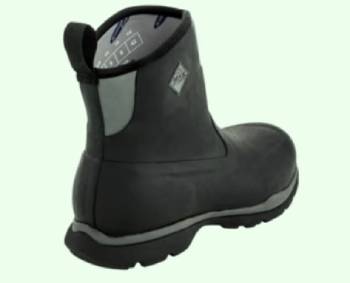
Pros Of Muck Arctic Pro
- Superior Extreme Warmth: Extra thermal layers keep feet comfortable during static work in very low temperatures.
- Enhanced Insulation Package: Denser neoprene and lining materials raise the baseline heat retention.
- Tougher Outsole Compound: Rubber resists cuts abrasion and heavy wear better over long seasons.
- Aggressive Tread Design: Improved grip on ice packed snow and slick mud increases confidence.
- Stable Platform: The firmer sole supports the foot during prolonged standing and heavy tasks.
- Full Waterproof Performance: Complete seal against water mud and slush matches the Sport.
- Durable Construction: Materials hold up under repeated freeze-thaw and rough terrain exposure.
- Secure Fit: The design locks the foot in place without excessive movement inside the boot.
- Reliable for Demanding Work: Built for users who spend full days in harsh cold conditions.
- Consistent Heat Retention: Warmth stays steady even when activity levels drop.
The Analytical Cons Of Muck Arctic Pro
- Slightly Reduced Flexibility: The denser materials create a firmer feel that can increase fatigue on long pure walking days.
- Higher Weight: Extra insulation and tougher rubber add noticeable mass compared with the Sport.
- Longer Break-In Feel: The boot takes a few wears to soften to its most comfortable state.
- Premium Price Position: The enhanced features raise the cost above the Arctic Sport.
- Less Agile for Light Use: Casual or recreational wear may not justify the extra insulation and bulk.
- Warmer Than Needed in Mild Cold: In temperatures above freezing the extra warmth can feel excessive.
- Bulkier Profile: The shaft and sole occupy more space in storage and during transport.
- Overbuilt for Mild Conditions: Users in moderate climates gain less benefit from the extreme-cold focus.
- Potential for Overheating: High activity in less severe cold can make the feet warmer than desired.
- Heavier Carry When Walking Far: Extended treks highlight the weight difference more clearly.
Also Read: Comparison Of UGG Sunburst Vs. Sundance
Frequently Asked Questions (FAQs)
Yes the Muck Arctic Sport provides solid warmth for active use in cold wet conditions when paired with proper socks.
Yes the Muck Arctic Pro delivers excellent extreme-cold performance durability and reliable waterproof protection for demanding outdoor work.
The Arctic Pro ranks among the warmest options in the Muck lineup thanks to its enhanced insulation package for prolonged exposure to very low temperatures.
Comfort depends on activity with the Arctic Sport often feeling more flexible for walking and the Arctic Pro feeling more supportive for standing work in extreme cold.
Final Thoughts
I compared the Muck Arctic Sport and the Muck Arctic Pro through a full winter of real outdoor use to highlight the differences in warmth flexibility and toughness.
The main intent remains giving you clear side-by-side observations on insulation performance and daily comfort so you can select the boot that matches your cold-weather demands.
Both keep feet dry and protected yet the Pro pulls ahead in extreme cold while the Sport wins for agile all-day movement.
You now have the detailed experience to decide which Muck boot belongs on your feet this season.