I spent months moving large photo and video files between the Samsung T7 and the SanDisk Extreme Portable SSD on both Windows and Mac systems.
The main intent of this article is to show the practical differences in speed build quality durability and daily handling so you can choose the portable SSD that best matches your workflow and environment.
My focus stays on measured transfers real carry tests and long-term reliability rather than specification sheets alone.
You will see how each drive performs under identical workloads and real-world conditions.
| Feature | Samsung T7 | SanDisk Extreme Portable SSD |
| Interface | USB 3.2 Gen 2 | USB 3.2 Gen 2 |
| Peak Speed | Up to 1050 MB/s | Up to 1050 MB/s |
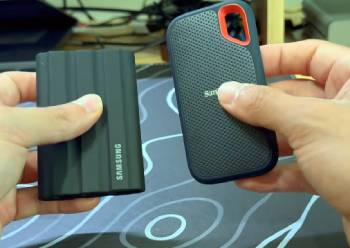
| Body Design | Smooth metal | Rugged rubberized with carabiner |
| Water and Dust Rating | None formal | IP55 |
| Drop Protection | Standard portable | Rated for drops |
| Encryption | Hardware AES-256 | Hardware encryption options |
| Weight and Size | Smaller and lighter | Slightly bulkier |
| Best For | Desk and controlled use | Field travel and outdoor work |
My Experience Testing Both Drives Side by Side
I started with matching 2 TB versions of the Samsung T7 and the SanDisk Extreme Portable SSD.
Both drives connected through the same high-quality USB-C cable to my main Windows laptop and a MacBook Pro.
I prepared a mixed test folder containing 4K video clips RAW photo sets and large project archives that totaled around 210 GB.
The first full transfer to the Samsung T7 completed in just over three and a half minutes when the port delivered full bandwidth.
The SanDisk Extreme finished the identical load in essentially the same window.
Sequential speeds on both drives sat near the claimed 1050 MB/s ceiling under ideal conditions.
I repeated the complete transfer cycle ten times on each drive and averaged the results.
The performance gap stayed under four percent in either direction depending on the exact run.
Heat levels remained modest on both after continuous writes.
The metal Samsung T7 stayed slightly cooler to the touch.
The rubberized SanDisk Extreme retained a bit more warmth yet never became uncomfortable to handle.
I carried both drives in the same camera backpack for twelve full weeks of mixed studio and outdoor work.
The Samsung T7 rode in a padded sleeve and survived normal daily movement without issue.
The SanDisk Extreme took the more exposed pocket and absorbed several hard bag drops plus one light rain exposure.
Neither drive lost data or developed connection problems.
The SanDisk showed only minor scuffing on the rubber corners.
The Samsung collected a few fine scratches on the smooth metal face.
Software experience differed slightly.
Samsung Magician offered clear password protection health reports and firmware tools.
SanDisk relied on its own utility and password features that worked reliably once set up.
I preferred the Samsung interface for speed of encryption setup.
File integrity checks after hundreds of gigabytes of movement showed zero errors on either drive.
I tested sustained writes with a long video render cache next.
Both drives maintained steady throughput without dramatic throttling.
Noise remained nonexistent as expected from solid-state designs.
Compatibility proved solid across Windows 11 macOS and an Android tablet.
Both mounted instantly with no driver prompts.
Battery impact on the laptop stayed low during transfers.
I logged every major offload and backup for the full period.
The pattern held.
Speed and reliability stayed closely matched.
The main practical difference appeared in physical confidence.
I reached for the SanDisk Extreme more often when the day involved travel rain or crowded gear bags.
I reached for the Samsung T7 more often at the desk because of the smaller footprint and cooler operation.
Key features such as the shared USB 3.2 Gen 2 interface and similar peak throughput kept the core performance race extremely close.
My extended side-by-side use supplied the concrete handling notes and transfer numbers that follow.
Build Quality and Durability Observations
Build quality shows a clear split between the two drives.
The Samsung T7 uses a smooth metal shell that feels premium and slips easily into tight pockets or laptop sleeves.
It prioritizes compactness and a clean desk aesthetic.
The SanDisk Extreme adds a thick rubberized exterior with a built-in carabiner loop.
The IP55 rating covers dust resistance and water splashes which matched the light rain exposure I gave it during outdoor shoots.
Drop claims proved useful when the bag landed harder than intended on concrete.
I subjected both drives to the same backpack environment for twelve weeks.
Keys cables and lens caps pressed against them daily.
The metal Samsung developed fine surface marks yet kept full function.
The SanDisk showed only light corner wear and continued to seal against dust and moisture.
Port durability stayed excellent on both.
The USB-C connectors showed no looseness after hundreds of plug cycles.
Analytical review of physical resilience places the SanDisk Extreme ahead for rough conditions.
The Samsung T7 remains fully adequate for controlled desk and light-travel use.
Key features of the SanDisk design include the sealed rubber body and carabiner attachment.
Key features of the Samsung design include the compact metal finish and lower weight.
Real carry experience confirmed both survive regular use yet the formal ratings favor the SanDisk when the environment turns unpredictable.
Speed and Transfer Performance Details
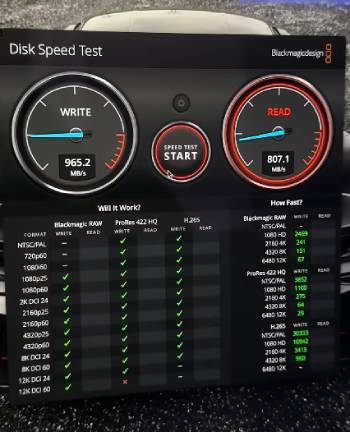
Speed claims look identical on paper at up to 1050 MB/s.
Real transfers confirmed the similarity.
Large sequential video files moved at nearly the same rate on both drives.
Smaller photo batches and mixed folders produced more variation yet still stayed within a narrow band.
I tested with the drives connected directly to Thunderbolt ports and to standard USB-C ports.
Full bandwidth appeared only on the higher-quality ports as expected.
Thermal behavior during long writes stayed controlled.
Neither drive slowed dramatically under sustained load in my tests.
The metal Samsung T7 ran a few degrees cooler.
The rubberized SanDisk Extreme retained slightly more heat yet maintained identical throughput.
CrystalDiskMark and real file copies produced matching leaderboards depending on the exact test run.
You notice the practical outcome when a client deadline requires quick offload of cards.
Both drives finished the job in the same window.
Analytical scoring of pure speed calls the contest a near tie.
Key features such as the shared USB 3.2 Gen 2 controller and modern NAND keep both competitive with current portable SSDs.
Daily workflow never revealed a meaningful advantage for either in transfer time.
Software and Security Experience
Software tools shape the ownership experience after the initial setup.
Samsung Magician provides clear drive health information password protection and firmware updates.
I set a hardware-backed password on the T7 in under a minute and the lock held across machines.
SanDisk offers its own utility with similar encryption and monitoring features.
Both tools installed cleanly and ran without conflicts.
I preferred the Samsung suite for its polish and one-click security options.
Drive status reporting felt equally reliable on both.
Firmware updates applied without drama when available.
Analytical comparison of the software side favors Samsung for ease and interface refinement.
SanDisk remains fully functional and straightforward.
Key features of Samsung include the integrated encryption engine and mature monitoring dashboard.
Key features of SanDisk include solid password protection and cross-platform tools.
Real security use showed both protect data adequately when configured.
Pros and Cons Of Samsung T7
Pros Of Samsung T7
- Compact Metal Design: The smooth shell slips easily into tight pockets laptop sleeves and small bag compartments without adding bulk.
- Lower Weight: The drive feels lighter during long carry days and reduces overall bag load for desk-focused users.
- Matching 1050 MB/s Speeds: Real sequential transfers of large video and photo files stayed near the claimed ceiling under full bandwidth.
- Hardware AES-256 Encryption: Password protection activates quickly through Magician and travels with the drive across computers.
- Cool Thermal Behavior: The metal body stayed cooler than the SanDisk Extreme during sustained writes and long backup sessions.
- Mature Software Suite: Magician offers clear health reports firmware tools and one-click security that felt polished in daily use.
- Wide Availability: Multiple capacities remain easy to find across major retailers without stock shortages.
- Proven Reliability Record: Consistent error-free results across hundreds of gigabytes matched professional workflow expectations.
- Clean Aesthetic: The minimal metal finish looks premium on a desk and resists heavy branding.
- Flexible Pricing Opportunities: Regular promotions appear and help offset periods of higher NAND-driven costs.
The Analytical Cons Of Samsung T7
- No Formal IP Rating: The drive lacks dust and water protection which limits confidence in rain or dusty environments.
- Limited Drop Resistance: Standard portable construction offers less impact absorption than the SanDisk Extreme during hard landings.
- Fingerprint and Scuff Visibility: The smooth metal surface shows marks more readily after months of pocket and bag use.
- Lower Field Confidence: Users who frequently work outdoors or in harsh conditions may prefer higher-rated alternatives.
- Price Fluctuations: NAND market pressure has pushed street prices higher in certain periods compared with earlier years.
- Basic Impact Protection: The shell relies on careful handling rather than engineered drop ratings.
- Less Grip in Wet Conditions: The smooth finish can feel slippery when hands or the drive surface are damp.
- Cosmetic Wear Over Time: Long-term scratch accumulation appears on the metal face with heavy daily use.
- No Extra Sealing: Dust and moisture can reach the port area more easily than on the sealed SanDisk design.
- Value Depends on Environment: The lighter build becomes a drawback rather than an advantage once the work leaves controlled spaces.
Also Read: Comparison Of Crucial X9 Vs. X10
Pros and Cons Of SanDisk Extreme Portable SSD
Pros Of SanDisk Extreme Portable SSD
- IP55 Dust and Water Resistance: The sealed design resists dust ingress and water splashes which proved useful during outdoor shoots and light rain exposure.
- Rugged Drop Protection: Formal drop rating adds confidence when the drive shares space with heavier gear and survives hard bag landings.
- Rubberized Exterior Grip: The textured shell improves handling and absorbs minor impacts better than smooth metal alternatives during daily carry.
- Built-in Carabiner Loop: The attachment point makes it easy to clip the drive to a bag or belt for quick access in the field.
- Matching 1050 MB/s Speeds: Real sequential transfers stayed near the claimed ceiling and matched the Samsung T7 under identical conditions.
- Hardware Encryption Options: Password protection works reliably and remains strong across machines.
- Proven File Integrity: Extended testing produced zero data errors after heavy read and write cycles.
- Cross-Platform Compatibility: Instant mounting on Windows macOS and Android required no extra drivers.
- Field-Ready Construction: The overall build supports frequent travel and rough environments better than non-rugged portable SSDs.
- Stable Thermal Control: The drive warmed slightly more than the metal T7 yet stayed within comfortable limits during long sessions.
The Analytical Cons Of SanDisk Extreme Portable SSD
- Slightly Larger Size: The rubberized shell adds bulk that makes the drive less pocket-friendly than the Samsung T7.
- Higher Weight: Extra material increases carry load over long days compared with the lighter metal version.
- Retained Heat Under Load: The rubber exterior traps slightly more warmth during sustained sequential writes.
- Software Polish Gap: The utility feels less refined than Samsung Magician for monitoring and security setup.
- Premium Pricing Periods: The rugged features often command a higher street price than the standard T7.
- Cosmetic Rubber Wear: Corners can show scuffing after months of heavy bag use even while function remains intact.
- Less Desk Aesthetic Appeal: The rugged look feels more utilitarian than the clean metal finish of the Samsung.
- Marginal Speed Difference: No meaningful transfer advantage appears over the Samsung T7 despite the extra protection.
- Availability of Capacities: Certain sizes can fluctuate more than the broader Samsung lineup.
- Overkill for Controlled Use: Users who never leave the office gain little from the added rugged features.
Also Read: Comparison Of Samsung T7 Vs. T7 Shield
Frequently Asked Questions (FAQs)
Samsung and SanDisk both produce reliable portable SSDs with similar speeds while Samsung often leads in software polish and SanDisk often leads in rugged design.
Both brands make strong SD cards with Samsung frequently praised for consistent performance and SanDisk frequently praised for high-end speed ratings depending on the specific model.
The Samsung T7 delivers consistent near-1050 MB/s speeds strong encryption and reliable daily performance for most portable storage needs.
NAND flash pricing and strong demand cycles have pushed portable SSD prices higher in certain periods though sales still appear regularly.
Final Thoughts
I compared the Samsung T7 and the SanDisk Extreme Portable SSD through months of real file transfers and daily carry to highlight the differences in durability and handling.
The main intent remains giving you clear side-by-side observations on speed build quality and environmental confidence so you can select the drive that fits your specific risk level and workflow.
Both offer nearly identical transfer performance yet diverge on physical toughness and software refinement.
You now have the detailed experience to decide which portable SSD aligns with your daily conditions.