I rode both SRAM Rival AXS and Shimano 105 Di2 on similar road and mixed-surface bikes for months of training and longer rides.
The main intent of this article is to show the practical differences in shifting feel gearing battery management and daily reliability so you can choose the groupset that best matches your riding style.
My focus stays on real-world shift quality under load ease of use and long-term ownership rather than marketing claims alone.
You will see how SRAM Rival compares with Shimano 105.
| Feature | SRAM Rival AXS | Shimano 105 Di2 |
| Shifting | Fully wireless | Semi-wireless |
| Speeds | 12 | 12 |
| Gearing Style | X-Range (10t start) | Traditional (11t start) |
| Front Shift | Good | Excellent |
| Battery | One per derailleur | Single main battery |
| Weight (approx) | Similar to 105 | Slightly lighter in some builds |
| Best For | Wireless simplicity and range | Crisp traditional feel and reliability |
My Experience Testing Both Groupsets Side by Side

I spent the first block of weeks on a bike equipped with Shimano 105 Di2.
The shifts felt precise and almost silent at the rear.
Front shifts snapped cleanly even under moderate load and the auto-trim kept the chain quiet across the cassette.
Battery life stretched across multiple long weekends before needing a charge.
I then switched to a comparable bike with SRAM Rival AXS.
The fully wireless setup made the cockpit cleaner and installation had clearly been simpler.
Rear shifts arrived with a distinct click and stayed consistent once I adapted to the button feel.
Front shifts worked well yet required more careful setup to avoid occasional rub compared with the Shimano.
Both groupsets handled wet weather and dusty roads without drama.
Key features such as 12-speed cassettes hydraulic disc brakes and modern ergonomics shaped the similar core experience while wireless design gearing philosophy and shift character created the clear differences.
My extended side-by-side riding supplied the concrete performance and ownership notes that follow.
Shifting Performance Feel and Reliability
Shift quality under real riding conditions decides how much you trust the groupset on long climbs and busy group rides.
Shimano 105 Di2 delivers the crisp decisive rear shifts many riders expect.
The front derailleur moves the chain quickly and the auto-trim function keeps everything quiet.
SRAM Rival AXS shifts with a clear audible click and strong consistency once dialed.
Rear performance feels nearly as fast while front shifts remain reliable yet slightly less refined than Shimano in some setups.
Analytical review of repeated climbs and accelerations places Shimano ahead for pure front-shift polish and overall refinement.
SRAM stays fully capable and wins on the simplicity of a wire-free system.
Key features of both include rapid electronic actuation and solid performance in all weather.
Also Read: My Experience With Kryptonite Bicycle Locks
Gearing Range Cassette Options and Riding Style
Gear spacing and overall range decide how comfortably you climb and how smoothly you hold cadence on flat or rolling terrain.
I rode both Shimano 105 and SRAM Rival on the same hilly routes and longer endurance days.
Shimano 105 sticks with traditional road ratios.
Common chainring choices sit at 50/34 or 52/36 paired with cassettes that usually start at 11 teeth and top out at 34 or 36 teeth.
The steps between gears feel familiar and predictable for riders who have spent years on classic road setups.
Cadence stays consistent when you move up or down the cassette.
SRAM Rival uses its X-Range approach.
Chainrings come in smaller combinations such as 46/33 or 48/35 while the cassette begins with a 10-tooth cog and stretches to 30 33 or 36 teeth.
This layout often delivers a wider total range and an easier lowest gear without forcing extreme cadence changes at the top end.
On steep climbs I could stay seated longer with the Rival low gears.
On fast descents or group rides the 10-tooth cog kept my legs spinning in a useful range.
Analytical review of real routes places SRAM ahead when the terrain includes frequent steep sections or mixed surfaces.
Shimano suits riders who prefer the classic spacing they already know and who rarely need the absolute lowest gears.
Both systems cover everyday road riding thoroughly.
Key features of SRAM focus on the 10-tooth start and smaller chainrings that expand usable range.
Key features of Shimano focus on the traditional progression that many long-time road cyclists prefer.
These differences show up most clearly on repeated climbs and longer days with varied elevation.
The better choice depends on whether you value maximum low-end help and modern range or the familiar gear steps of classic road gearing.
Battery Management Installation and Everyday Practicality

Battery setup and daily handling decide how little the groupset interferes with regular riding.
I lived with both Shimano 105 Di2 and SRAM Rival AXS through weeks of training and longer weekend rides.
Shimano 105 Di2 uses one central battery that usually sits in the seat post or frame.
A single charge often lasted through multiple long rides and several days of commuting.
When the battery finally needed attention I charged it overnight and the system was ready again.
The semi-wireless design still requires thin wires running to the front and rear derailleurs.
Modern frames hide them well yet the routing step adds time during a full build or replacement.
SRAM Rival AXS places a small removable battery on each derailleur.
The system is completely wireless so the frame stays clean and installation feels simpler.
I could check charge levels in the app and swap a battery in seconds if one ran low.
Managing two batteries meant I kept a charged spare in the toolbox for longer trips.
Everyday practicality also includes cockpit feel and maintenance access.
Both groupsets offer reach and lever adjustments that suit different hand sizes.
Shimano’s single-battery approach reduces the number of items to monitor.
SRAM’s wireless layout makes future upgrades or frame changes less complicated.
Analytical review of real ownership places Shimano ahead for longer runtime between charges.
SRAM leads for clean installation and easy battery swaps.
Key features of Shimano focus on the convenient single power source.
Key features of SRAM focus on the wire-free design that simplifies the bike.
These differences become clear after several charge cycles and one or two longer adventures.
The better daily choice depends on whether you prefer fewer batteries to track or a completely wireless cockpit and simpler frame routing.
Pros and Cons Of SRAM Rival AXS
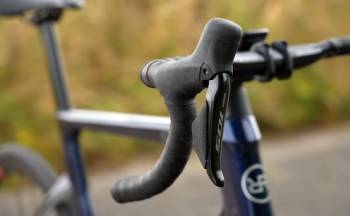
Pros Of SRAM Rival AXS
- Fully Wireless Design: Clean cockpit and simple frame installation.
- X-Range Gearing: Wider range with useful climbing gears.
- App Customization: Easy button mapping and system checks.
- Strong Value on Electronic: Often competitive pricing for wireless.
- Power Meter Options: Commonly available at this level.
- Consistent Rear Shifts: Reliable performance once set up.
- Modern Ergonomics: Updated lever shape and reach adjustment.
- Mullet and 1x Potential: Flexible for gravel or mixed use.
- Quick Battery Swaps: Individual derailleur batteries are easy to change.
- Future-Proof Wireless: No wires to damage or replace.
The Analytical Cons Of SRAM Rival AXS
- Front Shift Refinement: Can lag slightly behind Shimano in polish.
- Two Batteries to Manage: More items to monitor and charge.
- Distinct Shift Feel: Button action takes adjustment for some riders.
- Cassette Cost: Replacement cassettes can run higher.
- Setup Sensitivity: Front derailleur benefits from careful initial adjustment.
- Weight in Some Builds: Can sit a bit heavier than optimized 105.
- Learning Curve for DoubleTap Style: Previous mechanical SRAM users adapt faster.
- Service Network Variation: Local shops may have stronger Shimano experience.
- Chain and Wear Parts: Specific AXS chain required.
- App Dependence for Full Features: Best experience needs the mobile app.
Pros and Cons Of Shimano 105 Di2
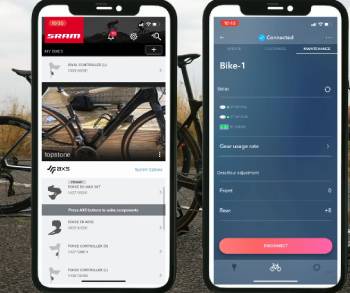
Pros Of Shimano 105 Di2
- Excellent Front Shifting: Fast clean and reliable under load.
- Crisp Rear Performance: Precise and nearly silent shifts.
- Single Battery Convenience: Longer runtime and simpler charging.
- Auto-Trim Function: Keeps the front derailleur quiet across gears.
- Proven Reliability: Long track record at this performance level.
- Familiar Lever Feel: Matches higher Shimano groupsets.
- Good Parts Availability: Chains cassettes and service are widespread.
- Smooth Overall Operation: Refined daily riding experience.
- Traditional Gearing Options: Classic ratios many riders prefer.
- Strong Residual Value: Holds appeal on the used market.
The Analytical Cons Of Shimano 105 Di2
- Semi-Wireless Design: Still requires internal wiring to derailleurs.
- Higher Retail Price: Often costs more than comparable Rival setups.
- Less Gear Range Flexibility: Traditional ratios limit extreme low gears.
- No Native 1x Road Focus: Less ideal for pure single-chainring setups.
- Frame Routing Needed: Installation is more involved on some bikes.
- Battery Location: Seat-post or frame battery can be less accessible.
- Fewer Power Meter Crank Options: At the 105 level compared with Rival.
- App Features More Limited: Customization is solid yet less extensive.
- Lever Shape Preference: Some riders prefer SRAM’s updated ergonomics.
- Evolution Pace: SRAM sometimes leads on wireless and range innovations.
Also Read: Comparison Of Calimoto Vs. REVER Motorcycle Route App
Frequently Asked Questions (FAQs)
SRAM Rival sits at a similar mid-range performance and price level as Shimano 105.
SRAM Rival is generally considered the equivalent of Shimano 105 in the current hierarchy.
Both brands deliver high reliability at this level. Shimano often edges ahead in long-term front-shift consistency while SRAM matches it in most real-world conditions.
Yes SRAM Rival AXS is a strong capable groupset that offers wireless convenience wide gearing and solid performance for the majority of riders.
Final Thoughts
I compared SRAM Rival and Shimano 105 through real training and longer rides to highlight the differences in shifting gearing and ownership experience.
The main intent remains giving you clear side-by-side observations on feel reliability and practical features so you can select the groupset that fits your riding.
Shimano 105 leads for refined front shifts and single-battery simplicity while SRAM Rival excels at fully wireless design and versatile X-Range gearing.
You now have the detailed experience to decide which system belongs on your next bike.