Choosing the right pair of flagship noise-canceling headphones comes down to balancing active noise cancellation, sound signature, home theater integration, and long-term wearing comfort.
In this article, I will evaluate the Sonos Ace against the Sony WH-1000XM6 across key features, real-world performance, and everyday usability so you can buy the best headphones for your personal setup.
| Feature | Sonos Ace | Sony WH-1000XM6 |
| Active Noise Cancellation | Advanced Hybrid ANC with Aware Mode | Next-Gen Multi-Processor HD ANC |
| Home Theater Integration | TV Audio Swap via Sonos Soundbars | Standard Bluetooth / Spatial Audio |
| Battery Life | Up to 30 Hours (ANC On) | Up to 30 Hours (ANC On) |
| Lossless Audio Support | USB-C / Qualcomm Snapdragon Sound | USB-C / LDAC Codec |
| Spatial Audio & Head Tracking | Dynamic Head Tracking Included | 360 Reality Audio with Head Tracking |
| Physical Controls | Tactile Content Key and Buttons | Touch Sensor Panel & Custom Button |
Hands-On Testing and Real-World Impressions
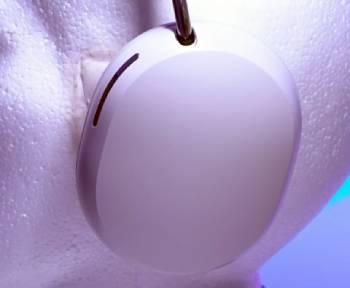
My real-world testing with both of these flagship headphones involved hundreds of hours across busy commutes, flights, quiet office sessions, and late-night movie watching.
When I first placed the Sonos Ace on my head, its luxurious memory foam cushions and smooth stainless steel headband arms provided immediate physical comfort.
The tactile Content Key slider offers a wonderfully physical, intuitive way to adjust volume and control playback without guessing where to tap.
Transitioning to the Sony WH-1000XM6 revealed Sony’s continued focus on cutting-edge noise cancellation processing and refined touch controls.
Sony’s ANC engine actively neutralizes low-frequency jet engine hums and chaotic coffee shop chatter slightly better than the Sonos Ace.
However, the Sonos Ace shines brightest when integrating directly into a home entertainment setup.
Swapping television audio seamlessly from a Sonos soundbar directly into the headphones at the press of a button changes late-night movie viewing completely.
Both headphones deliver exceptional wireless audio, but their sound signatures appeal to slightly different listeners.
The Sony WH-1000XM6 provides a punchy, warm low-end response with customizable EQ bands, while the Sonos Ace delivers a neutral, articulate soundstage with crisp vocal clarity.
Ultimately, testing shows that while Sony maintains a slight edge in pure noise isolation, Sonos offers an unmatched home theater integration experience paired with physical control elegance.
Active Noise Cancellation and Environmental Ambient Isolation
Navigating noisy environments requires an active noise cancellation system capable of adapting dynamically to unpredictable sounds.
The Sony WH-1000XM6 utilizes multiple onboard microphones paired with dedicated noise processing chips to analyze ambient noise in real time.
This powerful hardware configuration allows the Sony headphones to eliminate low-end drone sounds like bus engines and airplane cabins almost entirely.
High-pitched sounds like keyboard clacking and background conversations are dampened significantly, creating a quiet bubble for working or relaxing.
The Sonos Ace counters with a sophisticated hybrid ANC architecture that handles daily noise cancellation effortlessly.
In urban street testing, the Sonos Ace reduces ambient city noise smoothly without creating uncomfortable ear pressure or cabin hiss.
Where both models excel is in their transparent ambient pass-through modes.
Sonos engineered the Aware Mode on the Ace to sound remarkably natural, allowing your own voice and surrounding voices to pass through without artificial sibilance.
Sony’s ambient awareness mode is equally capable, offering automatic speak-to-chat functionality that pauses playback when you start talking.
If your primary goal is absolute silence in extreme noise environments, Sony holds a slight lead, but Sonos delivers a more natural ambient listening experience.
Acoustic Tuning, Soundstage Width, and Frequency Response
Evaluating the acoustic performance of high-end headphones involves analyzing driver design, frequency balance, and dynamic range.
The Sonos Ace features custom-designed 40mm dynamic drivers positioned inside ventilated acoustic chambers.
This architectural layout yields an open, airy soundstage where instruments and vocal layers sit in distinct physical spaces.
Bass response on the Sonos Ace is tight, fast, and controlled, avoiding the muddy low-end bleeding that plagues lesser wireless headphones.
Mids are forward and detailed, making acoustic tracks, vocal performances, and movie dialogue sound crisp and natural.
The Sony WH-1000XM6 takes a richer, more consumer-friendly approach to sound tuning straight out of the box.
Sony’s dynamic driver setup delivers deep, impactful bass extension that gives hip-hop, electronic, and action movie soundtracks substantial punch.
While the default sound profile favors warmth, Sony’s companion app includes a full parametric equalizer that allows you to sculpt frequencies to your exact taste.
For wireless high-resolution playback, Sony relies on its proprietary LDAC codec, while Sonos utilizes Qualcomm Snapdragon Sound via aptX Lossless alongside wired USB-C audio support.
Listeners who prefer acoustic accuracy and instrumental separation will gravitate toward Sonos, whereas bass lovers will prefer Sony’s energetic presentation.
Home Theater Integration, TV Audio Swap, and Spatial Audio
One of the biggest differentiators between these two flagship models is how they interact with home theater equipment.
The Sonos Ace introduces a unique TV Audio Swap feature that connects the headphones directly to compatible Sonos soundbars over Wi-Fi.
By pressing and holding the Content Key on the ear cup, you can transfer your television’s audio instantly from the soundbar to your headphones without opening an app.
This connection unlocks Dolby Atmos spatial audio with dynamic head tracking, creating a convincing surround sound field that remains anchored to your TV screen.
Movie dialogue remains perfectly clear while spatial effects shift around your head as you turn.
The Sony WH-1000XM6 approaches spatial audio through its 360 Reality Audio platform and standard Bluetooth spatial processing.
While Sony offers immersive soundscapes for supported streaming music services, it lacks the direct Wi-Fi soundbar handoff capability offered by Sonos.
Connecting the Sony headphones to a home theater system requires standard Bluetooth pairing or a physical cable run to your receiver or TV.
For users who already own a home theater soundbar and want late-night cinematic immersion without disturbing housemates, the Sonos Ace offers a massive advantage.
Sony remains focused on personal mobile audio, whereas Sonos bridges the gap between personal listening and living room entertainment.
Also Read: Comparison Of Bose QuietComfort Vs. Sennheiser Momentum 4
Design Aesthetics, Build Materials, and Wearing Ergonomics

Wearing comfort during extended listening sessions depends heavily on weight distribution, clamping force, and material selection.
The Sonos Ace features a sleek, minimal aesthetic with matte finishes, hidden stainless steel headband adjustments, and custom memory foam ear cushions.
The ear cups are lined with soft vegan leather that feels cool against the skin, while internal grilles feature contrasting colors to indicate left and right orientation instantly.
At roughly 312 grams, the weight is distributed evenly across the padded headband, preventing sore spots on top of the head during multi-hour flights.
The Sony WH-1000XM6 maintains Sony’s familiar industrial design language, utilizing lightweight synthetic materials and soft-fit leatherette padding.
Sony refined the headband geometry on the XM6 to distribute clamping force more evenly across wider head shapes.
The lightweight build makes the Sony headphones easy to forget you are wearing them during long workdays.
In terms of physical control interfaces, Sonos relies on tactile hardware switches, including the multi-function Content Key slider that eliminates accidental touch swipes.
Sony continues to use a capacitive touch panel on the right ear cup for volume swipes and track skips, which works reliably but can be triggered accidentally when adjusting the frame.
Both designs represent premium industrial craft, but Sonos offers a slightly more luxurious tactile experience.
Battery Endurance, Fast Charging, and Connectivity
Battery reliability is crucial for frequent travelers and daily commuters who cannot afford frequent charging stops.
Both the Sonos Ace and Sony WH-1000XM6 deliver up to 30 hours of continuous playback with active noise cancellation enabled.
This substantial battery life easily covers long-haul flights or several days of standard office use without needing a wall outlet.
When battery levels run low, both models feature rapid charging technology over USB-C.
A quick three-minute charge on the Sonos Ace provides up to three hours of listening time, making it easy to power up right before heading out the door.
Sony offers similar quick-charge performance, giving users hours of playback from just a few minutes on a high-output USB-C charger.
In terms of wireless connectivity, both headphones support Bluetooth 5.4 alongside multipoint connection technology.
Multipoint allows you to pair the headphones to two devices simultaneously, such as a laptop and a smartphone, switching audio automatically when a phone call comes in.
Sonos also supports lossless 24-bit/48kHz audio playback over a direct USB-C wired connection to compatible phones or computers.
Sony provides high-resolution wireless streaming through LDAC, ensuring broad compatibility across Android devices.
Maintenance Tips and Long-Term Care Guidelines
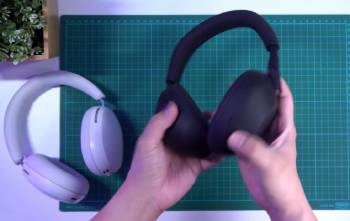
Preserving the performance, battery health, and physical condition of flagship headphones requires routine care, proper cleaning, and safe storage habits. You should follow these essential maintenance guidelines to keep your investment functioning like new for years to come.
- Routine Cleaning of Ear Cushions and Sensors
Wipe down the ear cushions and headband after every long listening session using a clean, dry microfiber cloth.
Skin oils, sweat, and cosmetics can break down vegan leather materials over time if left uncleaned.
Avoid applying rubbing alcohol, harsh chemical solvents, or abrasive pads directly to the ear cups or internal sensor windows, as these liquids can damage protective coatings and acoustic mesh screens.
- Cushion Replacement and Magnetic Care
The magnetic ear cushions on the Sonos Ace can be detached easily for cleaning or replacement when worn down.
Inspect the internal driver mesh periodically for dust buildup or stray debris, removing particles gently with a soft dry brush.
Ensure the ear cups are seated completely flush against the housing so the acoustic seal remains tight for peak ANC performance.
- Battery Longevity and Protective Storage
Avoid leaving your headphones in extreme heat, such as inside a parked car during summer, as high thermal stress degrades lithium-ion battery capacity prematurely.
Store the headphones flat inside their protective travel case when not in use to shield the headband hinges from accidental bending or crush forces inside a backpack.
Charge the battery using certified USB-C power adapters to prevent voltage spikes.
Detailed Breakdown of Pros and Cons

Pros:
- Seamless TV Audio Swap: Sonos Ace transfers living room TV audio instantly from a compatible Sonos soundbar directly to the headphones at the press of a physical button.
- Superior Ambient Aware Mode: Sonos Ace provides an incredibly natural transparent pass-through mode that avoids harsh sibilance and artificial microphone hiss.
- Tactile Hardware Controls: Sonos Ace features a multi-function Content Key slider that makes volume adjustments and playback navigation precise and accidental-swipe free.
- Immersive Spatial Audio with Head Tracking: Sonos Ace delivers precise Dolby Atmos spatial tracking anchored to your display for cinematic movie experiences.
- Class-Leading Noise Cancellation: Sony WH-1000XM6 neutralizes low-frequency engine drones and harsh urban noise with industry-leading processing power.
- Extensive EQ Customization: Sony WH-1000XM6 provides a complete parametric equalizer within its companion app to tailor bass, mids, and treble to exact preferences.
Cons:
- No Full Wi-Fi Streaming on Ace: Sonos Ace uses Wi-Fi strictly for TV audio swap, relying on standard Bluetooth for everyday music streaming from smartphones.
- No Folding Hinge Design: Sonos Ace ear cups pivot flat for storage but do not fold inward into a compact ball like older portable travel headphones.
- Slightly Higher Price Point: Sonos Ace carries a premium flagship price tag compared to standard wireless options.
- Touch Panel Vulnerability: Sony WH-1000XM6 touch panel can register accidental inputs when adjusting the ear cups or putting on a jacket hood.
- Steeper Learning Curve for App: Sony’s companion app contains dozens of sub-menus and automated settings that can feel overwhelming to set up initially.
Also Read: Comparison Of Audeze Maxwell Vs. Arctis Nova Pro
Frequently Asked Questions (FAQs)
Sony headphones offer slightly stronger active noise cancellation and deeper EQ customization, while Sonos headphones excel in build comfort, natural ambient mode, and seamless home theater integration.
Yes, the Sonos Ace headphones are exceptional premium headphones featuring superb physical build quality, crisp sound, natural transparency, and unique TV audio swapping capabilities.
Yes, software updates following its initial release refined the EQ tuning, enhanced spatial audio stability, and polished the overall frequency balance for wired and wireless playback.
Sonos is better if you want a comfortable headphone that integrates directly with a TV soundbar system, while Sony is better if you prioritize maximum noise isolation for travel.
Final Thoughts
If you want a pair of headphones that blends luxurious wearing comfort, tactile physical controls, and effortless TV audio integration for late-night movie viewing, you should buy the Sonos Ace today over the Sony WH-1000XM6.
While Sony continues to lead in absolute noise isolation for frequent flyers, Sonos delivers a more versatile home entertainment experience paired with natural sound tuning.
Investing in the Sonos Ace ensures you enjoy class-leading comfort, intuitive controls, and seamless audio handoffs whether you are commuting or relaxing on the couch.