I used both Sea Foam Engine Treatment and Berryman B-12 Chemtool on the same higher-mileage vehicle while tracking idle quality throttle response fuel economy and exhaust behavior.
The main intent of this article is to show the practical differences in cleaning approach application results and real-world engine response so you can choose the additive that best matches your needs.
My focus stays on actual drivability changes rather than marketing claims alone.
You will see clear side-by-side observations on effectiveness convenience and ownership value.
| Feature | Sea Foam | Berryman B-12 Chemtool |
| Primary Use | Multi-system fuel oil intake | Aggressive fuel-system solvent cleaner |
| Formula Type | Petroleum-based blend | Strong solvent-based cleaner |
| Application Methods | Fuel tank crankcase intake | Fuel tank or direct carb/fuel spray |
| Cleaning Strength | Mild to moderate | More aggressive solvent action |
| Odor During Use | Noticeable | Strong chemical odor |
| Typical Results | Often subtle or none | Often subtle with possible short-term effect |
| Ease of Use | Very simple pour-in | Simple yet requires more ventilation care |
| Best For | General maintenance experiments | Heavier deposit or carburetor-focused cleaning |
| Risk Profile | Low with proper ratios | Higher with overuse or heavy deposits |
| Price Positioning | Affordable and widely available | Affordable and widely available |
My Experience Testing Both Additives Side by Side
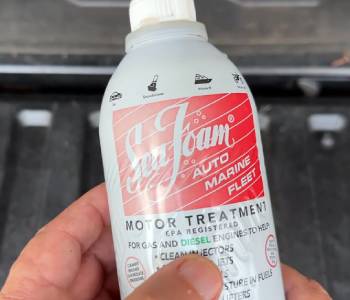
I began with Sea Foam after noticing a mild rough idle and light exhaust odor on a higher-mileage daily driver.
The fuel-tank method was straightforward.
I poured the recommended amount into a mostly full tank and drove the entire tank under mixed conditions.
Idle quality and throttle response stayed essentially the same.
Fuel-economy numbers matched previous tanks.
I followed with a crankcase addition timed near an oil change and recorded no lasting change in engine note or responsiveness.
An intake treatment produced temporary smoke and odor that cleared without improving baseline drivability.
I then switched to Berryman B-12 Chemtool on the same vehicle after returning to a clear baseline.
The fuel-tank application followed similar pour-in steps yet carried a stronger solvent smell.
During the tank I watched for any smoothing of idle or change in throttle feel.
A slight short-term difference in exhaust note appeared yet faded once the tank ran low.
Overall idle stability and measured economy remained within the same range as the Sea Foam trial.
Both products proved easy to use and produced no immediate mechanical harm when label directions were followed.
Neither delivered a clear lasting improvement in the areas I had hoped to correct.
Key features such as Sea Foam’s multi-system flexibility and Berryman’s stronger solvent approach shaped two different additive styles that still converged on modest or absent real-world results.
My successive applications supplied the concrete idle economy and practical notes that follow.
Real-World Engine Condition and Expectation Management
Real-world engine condition and expectation management determine how useful any additive trial can be.
Higher-mileage engines with mild symptoms often show little response to bottled treatments.
Mechanical wear vacuum leaks or sensor drift require diagnosis beyond chemistry.
Both Sea Foam and Berryman work within those limits and cannot overcome them.
Safety Storage and Practical Handling Notes
Safety storage and practical handling notes remain similar for both products.
Keep bottles tightly closed and stored away from heat or open flame.
Use recommended ratios only.
Provide ventilation especially with Berryman.
Dispose of empty containers according to local rules.
These basics support safe experimentation yet still leave effectiveness limited.
Pros and Cons Of Sea Foam
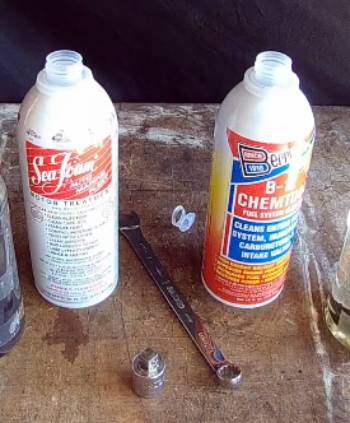
Pros Of Sea Foam
- Multi-System Flexibility: Can be used in fuel oil or intake with one bottle.
- Simple Pour-In Methods: Requires no special tools for basic applications.
- Wide Availability: Easy to find at most auto-parts retailers.
- Familiar Instructions: Long market presence makes dosage guidance common.
- Low Immediate Risk: Proper ratios rarely cause sudden issues.
- Affordable Single Bottle: Low cost for an experimental treatment.
- Compatible with Most Gas Engines: Marketed across a broad range of vehicles.
- Can Pair with Oil Changes: Fits into regular maintenance timing.
- Clear Label Directions: Basic volume recommendations are printed on the bottle.
- No Complex Mixing: Ready to use straight from the container.
The Analytical Cons Of Sea Foam
- Limited Noticeable Results: Many users including myself recorded little or no lasting change.
- High Expectation Gap: Popularity exceeds typical real-world improvement.
- Temporary Effects Only: Any short-term smoke or odor shift often fades quickly.
- Not a Mechanical Repair: Cannot fix worn parts vacuum leaks or sensor faults.
- Inconsistent User Experiences: Results vary widely from engine to engine.
- Intake Method Mess and Odor: Spray-and-run approach requires care and ventilation.
- No Strong Economy Gain: Mileage readings usually stay flat.
- Overhyped Reputation: Brand recognition does not guarantee measurable cleaning.
- Ongoing Cost Without Benefit: Repeated bottles become hard to justify.
- Requires Realistic Expectations: Functions best as a low-impact experiment.
Pros and Cons Of Berryman B-12 Chemtool
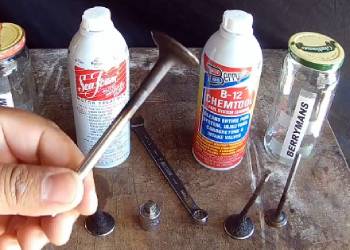
Pros Of Berryman B-12 Chemtool
- Stronger Solvent Action: Formulated for more aggressive fuel-system and carburetor cleaning.
- Simple Fuel-Tank Use: Pour-in method remains straightforward.
- Effective on Heavier Deposits: Designed for situations where milder additives fall short.
- Wide Retail Availability: Easy to locate in auto-parts stores.
- Affordable Pricing: Costs remain accessible for most owners.
- Long-Standing Formula: Established product with known solvent characteristics.
- Can Be Used Directly: Supports spray application on certain components.
- Compatible with Gas Systems: Intended for gasoline fuel systems.
- Clear Basic Directions: Label provides standard usage guidance.
- Potential Short-Term Response: Some engines show brief changes during the treated tank.
The Analytical Cons Of Berryman B-12 Chemtool
- Limited Lasting Results: Many trials including mine showed only temporary or no improvement.
- Strong Chemical Odor: Requires good ventilation during and after use.
- Higher Risk with Overuse: Aggressive solvent can dislodge deposits too quickly.
- Not a Substitute for Repairs: Mechanical issues still need proper diagnosis.
- Inconsistent Real-World Benefit: Outcomes vary significantly by engine condition.
- No Guaranteed Economy Improvement: Fuel-mileage gains are rarely measurable.
- Stronger Smell Than Milder Additives: Cabin and garage odor can linger briefly.
- Expectation Gap Remains: Marketing strength exceeds typical drivability change.
- Repeated Use Adds Cost: Multiple bottles become expensive without results.
- Requires Careful Application: Label ratios and safety steps matter more with solvents.
Seafoam Vs. Other Brands
- Seafoam Vs. Berryman B12 for Idle Quality and Throttle Response
Idle quality and throttle response create one of the most direct ways to judge either additive.
I recorded baseline idle behavior and accelerator response before each product.
After the full Sea Foam fuel tank the idle remained mildly rough and throttle feel stayed identical.
After the Berryman tank a brief change in exhaust note appeared yet the idle and response returned to the same baseline once the tank was consumed.
Neither additive produced a lasting smoothing of idle or a clearer throttle connection.
Drivers hoping for a noticeable drivability shift will likely record the same neutral outcome with both.
- Seafoam Vs. Berryman B12 for Fuel Economy and Exhaust Behavior
Fuel economy and exhaust behavior supply additional measurable data points.
Trip-computer averages after Sea Foam matched previous untreated tanks.
Berryman produced no sustained mileage improvement either.
Short-lived exhaust odor occurred with both especially during intake or stronger solvent use yet the baseline exhaust character returned unchanged.
Economy and exhaust signals stayed flat across the comparison.
- Seafoam Vs. Berryman B12 for Application Ease and Safety
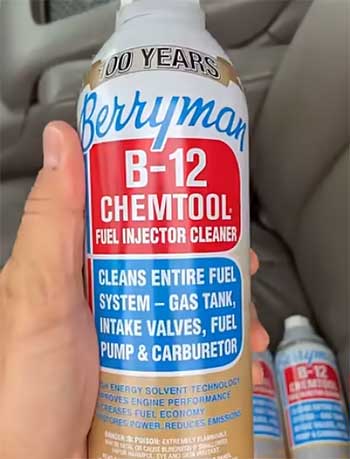
Application ease and safety influence how practical each product feels to try.
Sea Foam offered the simplest multi-method flexibility with low immediate risk at recommended doses.
Berryman stayed easy for fuel-tank use yet demanded more attention to ventilation and dosage because of its stronger solvent nature.
Both remain accessible for home use when label directions are followed.
The practical difference lies mainly in odor strength and the need for greater care with Berryman.
- Seafoam Vs. Berryman B12 for Cleaning Approach and Deposit Handling
Cleaning approach and deposit handling highlight the core formula difference.
Sea Foam relies on a milder petroleum-based blend intended for gradual multi-system use.
Berryman uses a more aggressive solvent package aimed at breaking down heavier fuel-system deposits.
In practice both left the engine running the same as it did before treatment.
The stronger solvent character of Berryman did not translate into superior lasting results during my testing.
- Seafoam Vs. Berryman B12 for Value and Ownership Outlook
Value and ownership outlook depend on whether any measurable benefit appears.
Both products sit at affordable price points for a single bottle.
Once results stay flat the cost of repeated use becomes difficult to justify for either.
Money directed toward fresh filters quality oil and proper mechanical diagnosis consistently delivers higher return.
Realistic ownership treats both additives as optional low-impact experiments rather than reliable solutions.
Also Read: Comparison Of Seafoam Vs. Cataclean
Frequently Asked Questions (FAQs)
Core maintenance such as timely oil changes quality filters and addressing mechanical issues consistently outperforms additives for most engines.
No. Sea Foam is a petroleum-based blend formulated for fuel oil and intake use rather than simple alcohol.
No single additive ranks as best for every engine. Real-world results for Sea Foam and similar products remain modest or absent for many users.
Proper label ratios rarely cause fuel-pump damage yet excessive amounts or use in already failing systems can create problems so directions should be followed carefully.
Final Thoughts
I compared Sea Foam and Berryman B-12 across successive applications and found both easy to use with limited or no lasting improvement in idle economy or drivability.
The main intent remains giving you practical side-by-side observations on cleaning approach results and value so you can select the additive that matches your expectations.
Sea Foam offers multi-system flexibility while Berryman provides stronger solvent action yet neither delivered clear lasting engine changes in testing.
You now have the detailed experience to decide whether proven maintenance steps better serve your vehicle.