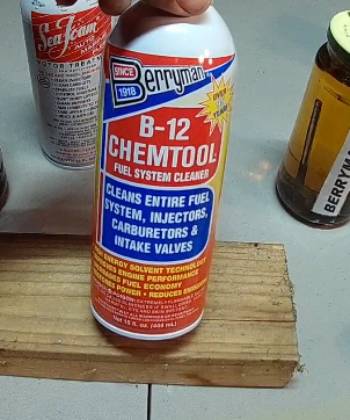
If you want a fast-acting, high-potency chemical solvent designed to dissolve heavy varnish, carbon crust, and stubborn gum in neglected fuel systems, I recommend you buy Berryman B-12 Chemtool.
But if you want a multi-use petroleum-based additive that gently cleans injectors while lubricating upper cylinders and stabilizing fuel, you should choose Sea Foam Motor Treatment.
I spent months analyzing both of these iconic automotive treatments across lawnmowers, high-mileage trucks, and direct-injection engines.
In this comprehensive comparison, I will help you decide which fuel additive best matches your vehicle maintenance goals and budget.
| Feature | Berryman B-12 Chemtool | Sea Foam Motor Treatment |
| Chemical Base Composition | High-strength polar solvents (Toluene, Acetone, Methanol) | 100% Petroleum-based pale oil, naphtha, and isopropyl alcohol |
| Primary Action Speed | Rapid chemical dissolution of varnish, gum, and hard carbon | Gradual cleaning, varnish dissolution, and protective lubrication |
| High-Energy Solvent Tech | HEST (High Energy Solvent Technology) formulation | Traditional gentle petroleum cleaning blend |
| Upper Cylinder Lubrication | Low (Focuses aggressively on solvent cleaning action) | High (Leaves a protective oil film on cylinder walls and valves) |
| Multi-System Versatility | Fuel tank, carburetor, throttle body, and dip-can dipping | Fuel tank, oil crankcase, vacuum intake induction, 2-stroke oil |
| Moisture Removal Action | Emulsifies and disperses water rapidly via polar solvents | Encapsulates water molecules to pass safely through combustion |
| Fuel Stabilization Duration | Short-term cleaning boost | Long-term fuel stabilization (Up to 2 years) |
| Price Point Tier | Ultra-Affordable Budget Performance | Premium Specialty Maintenance |
My Real World Testing Experience With Both Fuel Treatments

Testing these two legendary fuel additives gave me a front-row view of how chemical solvents interact with dirty engine components.
I started my evaluation on an old carburetor-fed riding lawnmower that sat unused in a shed for two full seasons with stale gasoline inside its tank.
The engine cranked endlessly, sputtering and dying the moment I opened the choke plate.
I poured half a can of Berryman B-12 Chemtool directly into the small gas tank and allowed it to sit for fifteen minutes to let the aggressive solvents break down the dried yellow varnish inside the tiny carburetor jets.
When I turned the key again, the engine fired up instantly, coughing out a dark cloud of dissolved carbon before settling into a smooth, steady idle.
The rapid cleaning strength of Berryman B-12 eliminated the need for me to remove and tear down the carburetor manually.
Next, I tested Sea Foam Motor Treatment on my daily-driver high-mileage pickup truck that suffered from a minor hesitation during cold morning acceleration.
Instead of an aggressive solvent flush, I wanted a treatment that would clean the fuel injectors while adding upper cylinder lubrication to protect the fuel pump.
I added a full can of Sea Foam into a half tank of gasoline and ran the truck across a three-hundred-mile highway trip.
Over the course of the drive, the engine hesitation smoothed out completely, and the valve train ran noticeably quieter at stoplights.
I also applied Sea Foam through a vacuum line into the intake manifold to clean carbon buildup off the intake valves, generating the classic white smoke trail as the deposits burned away safely.
If you face severe fuel line blockages, gummed-up carburetors, or heavy carbon buildup that requires fast chemical breakdown, Berryman B-12 is a powerful tool.
If you prefer a gentle, lubricating maintenance additive that works safely across your gas tank, oil crankcase, and lawn equipment, Sea Foam remains a trusted choice.
Chemical Formulations and Cleaning Dynamics
Understanding the underlying chemistry of these two additives explains why they deliver drastically different cleaning experiences.
Berryman B-12 Chemtool relies on High Energy Solvent Technology, utilizing a blend of strong polar solvents including toluene, acetone, methanol, and methyl ethyl ketone.
These aggressive solvents act like chemical knives, melting sticky fuel varnish, hardened lacquer, and thick carbon deposits almost on contact.
Because of this intense solvent concentration, Berryman B-12 works extremely fast, making it unmatched for clearing clogged jets and stuck fuel injectors.
However, these strong polar solvents carry zero lubricating properties and can degrade unrated rubber seals or cheap plastics if left concentrated for long periods.
Sea Foam Motor Treatment takes a completely different approach by using a 100 percent petroleum-based formula consisting of highly refined pale oil, hydrotreated naphtha, and isopropyl alcohol.
Naphtha acts as a gentle solvent that dissolves light varnish and oil sludge without stripping away protective surface oil coatings.
The pale oil component provides upper cylinder lubrication, coating fuel pump impellers, injector pintles, and top piston rings as it flows through the system.
The isopropyl alcohol content absorbs free water in the fuel tank, allowing moisture to blend safely into the gasoline and burn off through the exhaust.
While Sea Foam cleans more slowly than Berryman, its oil-rich formula makes it completely safe for continuous use and long-term storage stabilization.
Direct Injection, Intake Valve, and Crankcase Applications
Modern engine designs with direct fuel injection require careful consideration when selecting a chemical treatment.
In direct-injection engines, fuel is sprayed straight into the combustion chamber, meaning in-tank additives never touch the back of the intake valves where carbon builds up.
To clean intake valves on these engines, you must feed the treatment directly into the intake manifold using a vacuum hose or dedicated spray tube.
Sea Foam excels in this application because its petroleum oil base clings to warm intake valves, softening hard carbon crust so it burns away gradually without breaking off in large destructive chunks.
Sea Foam is also explicitly rated for oil crankcase integration, where adding one ounce per quart of engine oil helps dissolve oil sludge and free stuck hydraulic valve lifters before an oil change.
Berryman B-12 can also be sprayed into the intake system using their specialized aerosol drip setups to target heavy carbon deposits on pistons and valves.
However, you must never add standard Berryman B-12 Chemtool liquid to your engine oil crankcase, as its harsh acetone and toluene components will thin the engine oil rapidly and destroy bearing lubrication films.
Berryman offers separate specialized oil flush products, whereas original B-12 is strictly designed for fuel system, carburetor, and combustion chamber cleaning.
If you need a versatile product that can clean fuel lines, treat engine oil sludge, and fog intake valves, Sea Foam is built for multi-system use.
If your goal is strictly focused on cleaning stubborn fuel injectors and clearing clogged combustion chambers from the gas tank, Berryman B-12 provides raw chemical horsepower.
Moisture Elimination and Fuel Stabilization Performance
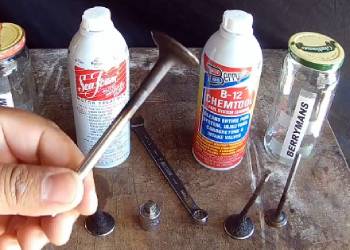
Managing water contamination and fuel breakdown is essential for small engines, boats, and vehicles that sit idle during off-seasons.
Ethanol-blended gasoline absorbs moisture from humid air, leading to phase separation where a corrosive water-alcohol layer settles at the bottom of the fuel tank.
Berryman B-12 uses acetone and alcohol solvents to break down water tension instantly, emulsifying small water pockets into the gasoline so they pass through the injectors without causing misfires.
Its rapid chemical action makes Berryman B-12 an exceptional emergency treatment when an engine stutters from water-contaminated fuel.
However, because Berryman’s light solvents evaporate quickly, it is not designed to serve as a long-term fuel stabilizer for multi-year vehicle storage.
Sea Foam approaches moisture management through encapsulation, using its isopropyl alcohol content to suspend water droplets inside the petroleum oil matrix.
This prevents water from contacting metal tank walls and fuel pump bodies, stopping rust and internal corrosion before it starts.
Furthermore, Sea Foam acts as a dedicated fuel stabilizer, keeping gasoline fresh for up to two years by preventing hydrocarbon oxidation and varnish formation.
Pouring Sea Foam into lawnmowers, motorcycles, or boat tanks before winter storage guarantees quick restarts when spring arrives.
For instant recovery from water-contaminated gas and quick jet clearing, Berryman B-12 acts faster.
For storing equipment, protecting fuel tanks from rust, and stabilizing gasoline over many months, Sea Foam offers superior protection.
Pros and Cons of Berryman B-12 Chemtool
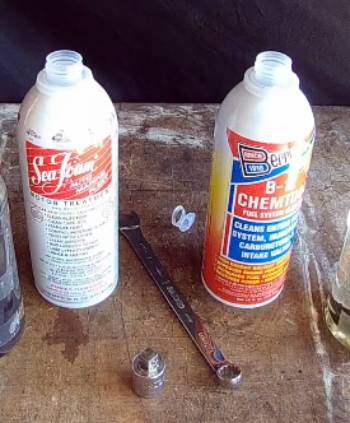
Pros of Berryman B-12 Chemtool
- Extreme Chemical Cleaning Power: High Energy Solvent Technology dissolves hard carbon, thick varnish, and heavy fuel gum rapidly.
- Rapid Unclogging Action: Clears blocked carburetor jets and gummed fuel injector nozzles faster than gentle petroleum additives.
- Highly Affordable Cost: Delivers professional-strength solvent performance at a fraction of the price of competing treatments.
- Effective Water Emulsification: Breaks down fuel water pockets instantly to restore smooth combustion in contaminated tanks.
- Excellent Dip-Can Cleaner: Functions as an outstanding soaking solvent for cleaning disassembled metal engine parts and carburetors.
- Fast Throttle Response Restoration: Cleans combustion chamber deposits quickly to eliminate engine hesitation and rough idling.
Cons of Berryman B-12 Chemtool
- Zero Upper Cylinder Lubrication: Strong polar solvents do not provide lubricating oils for fuel pumps or cylinder walls.
- Incompatible with Engine Oil Crankcases: Cannot be added to engine oil, as aggressive solvents will ruin oil viscosity and damage bearings.
- Harsh on Delicate Plastics and Rubber: Highly concentrated liquid can damage unrated painted surfaces, rubber hoses, or cheap plastic trim if spilled.
Pros and Cons of Sea Foam Motor Treatment
Pros of Sea Foam Motor Treatment
- Multi-System Application Safety: Safely cleans fuel tanks, intake manifold vacuum lines, and engine oil crankcases.
- 100% Petroleum Base: Gentle oil-based formula cleans without stripping protective lubrication from delicate fuel system components.
- Superior Upper Cylinder Lubricant: Leaves a protective oil film on upper cylinder walls, piston rings, and fuel pump impellers.
- Long-Term Fuel Stabilization: Keeps gasoline and diesel fuel fresh and free of varnish for up to two full years in storage.
- Safe for All Internal Engine Seals: Will not harm internal rubber gaskets, O-rings, or sensitive oxygen and catalytic sensors.
- Smooth Intake Valve Carbon Burning: Softens hard valve carbon deposits gradually, allowing them to burn off safely through the exhaust.
Cons of Sea Foam Motor Treatment
- Slower Cleaning Action: Gentle petroleum formulation takes longer to dissolve thick, petrified fuel varnish in severely neglected engines.
- Higher Cost Per Ounce: Commands a premium price per can compared to standard budget solvent cleaners.
- Generates Heavy Smoke During Intake Cleaning: Induction cleaning through vacuum lines produces thick white exhaust smoke that requires open-air application.
Also Read: Comparison Of Seafoam Vs. Cataclean
Maintenance Tips for Fuel System Longevity
Proper fuel system care prevents carbon buildup, protects expensive fuel injectors, and ensures easy engine starting across all seasons. You should follow these practical maintenance habits to keep your vehicle’s engine running at peak efficiency.
- Preventive Dosage and Treatment Intervals
Do not wait for your engine to misfire or idle rough before applying a fuel system treatment.
Add a quality fuel cleaner into your gas tank every three thousand to five thousand miles right before filling up at the gas station.
Pouring the additive into an empty tank before adding fresh fuel ensures the liquid mixes thoroughly with the gasoline.
For small lawn equipment and outdoor power tools, treat the fuel storage can directly every time you buy fresh gasoline to prevent varnish formation in small carburetor passages.
- Safe Handling and Paint Protection
Take precautions when handling aggressive chemical solvents around your vehicle’s painted surfaces.
Always use a funnel when pouring Berryman B-12 or Sea Foam into your fuel filler neck to avoid accidental drips on your car’s exterior paint finish.
If you spill solvent on your vehicle’s bodywork, wash the area immediately with clean water and car soap to prevent clear-coat damage.
Store partially used chemical cans tightly sealed in a cool, well-ventilated space away from open flames or pilot lights.
- Crankcase and Filter Maintenance Protocols
When using Sea Foam in your engine oil crankcase to clean oil sludge and quiet noisy valve lifters, plan the application strategically.
Add the treatment one hundred to three hundred miles before your scheduled oil change service.
This allows the petroleum solvents to dissolve sludge and suspend deposits in the old oil without running diluted oil for extended drain intervals.
Always replace your oil filter and main fuel filter after running heavy cleaning flushes through severely dirty or high-mileage engines.
Small Engine, High-Mileage Truck, and Fleet Scenarios
Selecting the ideal treatment depends heavily on the mechanical condition and age of the engine you are servicing.
If you are restoring an old lawnmower, chainsaw, or outboard boat motor that has been sitting with stale gas for years, Berryman B-12 is the ultimate rescue tool.
Small carburetor jets clog easily with dried fuel lacquer, and the aggressive acetone and toluene in Berryman dissolve those blockages within minutes without requiring a complete carburetor rebuild.
For high-mileage daily drivers, modern cars with direct injection, or vehicles heading into winter storage, Sea Foam provides the right balance of care.
Sea Foam’s gentle petroleum oil base cleans dirty injectors smoothly while lubricating upper cylinder walls and preventing fuel line corrosion over long storage periods.
Using Sea Foam in your oil crankcase right before an oil change also helps remove internal sludge from engine lifters and oil rings on older high-mileage engines.
If your vehicle suffers from severe, acute fuel jet blockages and petrified carbon deposits, Berryman B-12 delivers immediate chemical force.
If you want a versatile, lubricating maintenance product that safely protects fuel tanks, oil systems, and seasonal equipment, Sea Foam remains an industry standard.
Also Read: My Experience With Berryman B-12
Frequently Asked Questions (FAQs)
Berryman B12 is better for fast, aggressive chemical removal of heavy varnish, hard carbon, and severely clogged carburetor jets, while Sea Foam is better for gentle cleaning, upper cylinder lubrication, multi-system oil crankcase use, and long-term fuel stabilization.
Yes, Berryman B12 works exceptionally well due to its High Energy Solvent Technology featuring toluene, acetone, and methanol, which rapidly dissolve stubborn fuel gum, carbon deposits, and varnish on contact.
For heavy carbon removal and stubborn varnish, strong polar solvent products like Berryman B12 or concentrated PEA cleaners like Chevron Techron and Red Line SI-1 often clean faster than Sea Foam’s gentler petroleum formula.
The best fuel system cleaner depends on your goal: Berryman B12 leads for raw fast solvent cleaning, Chevron Techron and Red Line SI-1 lead for Polyetheramine (PEA) fuel injector deposit removal, and Sea Foam leads for versatile multi-system lubrication and fuel stabilization.
Final Thoughts
Choosing between these two iconic fuel treatments comes down to the severity of your engine’s contamination and your maintenance goals.
If you need a fast-acting, high-potency chemical solvent to melt heavy varnish, clear clogged carburetor jets, and restore neglected fuel lines, you should buy Berryman B-12 Chemtool today.
However, if you want a versatile, 100 percent petroleum-based additive that gently cleans injectors, lubricates upper cylinders, treats engine oil sludge, and stabilizes fuel, you should choose Sea Foam Motor Treatment right now.
Both products offer time-tested performance that will keep your engines running smooth, responsive, and reliable.