When you want to buy a reliable electric golf cart, I strongly advise you to purchase proven models like Club Car or EZ-GO directly from certified, authorized local power-sports dealers rather than gambling your hard-earned money on a Racka golf cart from big-box retailers.
My goal in this honest Racka golf cart review is to expose the real-world performance, build flaws, and customer service headaches associated with this budget machine so you can make an informed buying decision.
My Personal Experience Testing The Racka Golf Cart
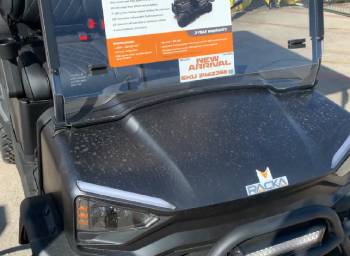
My hands-on testing with the Racka electric golf cart started when a close neighbor asked me to inspect his newly delivered four-seater unit.
The initial sight of the vehicle sitting on the trailer looked promising, sporting aggressive off-road tires, a lifted suspension, and a shiny black body frame.
However, the excitement faded the second we tried to roll it down the ramp and complete its very first charge cycle.
When we plugged the factory-supplied charger into the wall outlet, the indicator light flickered erratically and refused to send current to the lithium battery bank.
The battery system arrived completely dead, requiring a lengthy troubleshooting process before we could even take the cart around the block.
Once we finally got the battery to accept power, the driving dynamics revealed severe quality control oversights across the entire chassis.
Steering felt dangerously loose, pulling heavily to the left under moderate braking on flat paved roads.
Pressing the accelerator pedal down delivered jerky, unrefined torque surges that made smooth low-speed maneuvering in the driveway frustrating.
When climbing a minor neighborhood incline, the five-kilowatt electric motor lost momentum rapidly, straining far harder than a modern lithium-powered cart ever should.
The mechanical squeaks coming from the front independent shocks were loud enough to drown out the onboard audio system.
Worse yet, inspecting the underneath frame exposed thin steel welds, exposed wiring harnesses, and flimsy plastic brackets that seemed bound to break after a single season of heavy use.
Reaching out to customer support to report the charger failure turned into a nightmare of endless phone queues and unfulfilled promises regarding replacement parts.
This frustrating experience confirmed that despite the attractive price tag, owning a Racka golf cart involves too many compromises and reliability risks for serious buyers.
Detailed Mechanical Performance And Build Analysis
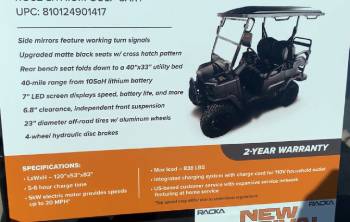
Analyzing the internal components of the Racka golf cart reveals why so many owners express buyer remorse online.
The powertrain relies on a budget electric motor paired with an unbranded controller that lacks refined acceleration mapping.
When you depress the foot pedal, power delivery feels binary, jumping forward abruptly rather than offering progressive throttle control.
This harsh throttle response creates safety concerns when backing out of tight spaces or transporting young children in the rear flip-flop seats.
The brake system uses basic hydraulic disc components that feel spongy underfoot, requiring excessive pedal force during sudden stops.
The suspension geometry suffers from poor alignment straight from the factory, leading to uneven tire wear after just a few months of light neighborhood cruising.
The electrical routing throughout the chassis lacks proper rubber grommets and weather-sealed connectors.
Exposed wires dangling near the rear axle risk snagging on lawn debris or corroding quickly when exposed to rain and mud.
The interior plastic panels feel brittle, rattling loudly whenever the tires hit minor cracks in the asphalt.
The side mirror turn signals and LED light assemblies are prone to water intrusion, causing moisture condensation inside the light housings after a basic garden hose wash.
Customer reviews on major retail platforms frequently cite dead battery management systems, failed chargers, and unhelpful regional service centers.
When you invest thousands of dollars into a personal mobility vehicle, you deserve dependable engineering and robust dealer support rather than a ongoing project cart.
Pros and Cons Of The Racka Golf Cart
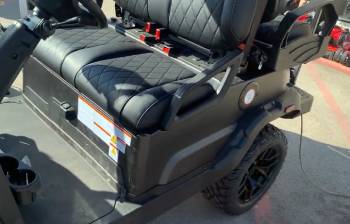
Pros of the Racka Golf Cart
- Affordable Initial Purchase Price: Costs significantly less upfront than flagship American golf cart brands, making it attractive for budget-conscious buyers looking for low entry costs.
- Included Lifted Off-Road Suspension: Comes standard with factory lift kits and knobby off-road tires that handle dirt paths, casual farm trails, and uneven yard terrain easily.
- Standard Street-Legal Accessories: Equipped with working turn signals, side mirrors, horn, headlights, and tail lights right out of the box without needing aftermarket upgrades.
- Fold-Down Rear Utility Cargo Bed: Rear passenger bench seat quickly flips over to create a flat utility platform for hauling tools, cooler boxes, or yard supplies around your property.
- Onboard Lithium Battery Option: Available with a lightweight lithium battery pack that reduces overall vehicle mass compared to heavy traditional lead-acid configurations.
Cons of the Racka Golf Cart
- High Failure Rate On Stock Chargers: Factory-supplied chargers frequently break down or fail to initiate charging cycles right out of the box, leaving the vehicle completely stranded.
- Poor Customer Support and Parts Availability: Sourcing replacement components or getting timely responses from customer service channels proves extremely difficult for frustrated owners needing repairs.
- Harsh Acceleration and Spongy Braking: Throttle mapping feels unpredictable and jerky during low-speed maneuvering, while hydraulic disc brakes require heavy foot pressure during sudden stops.
- Cheap Material Construction and Welds: Frame welds appear rough and incomplete, body plastics feel brittle, and suspension joints squeak loudly over minor pavement bumps.
- Rapid Power Loss on Inclines: Electric motor struggles significantly when carrying four adult passengers up minor neighborhood hills, losing momentum faster than competitors.
- Fast Depreciation and Low Resale Value: Negative public reviews and ongoing reliability issues cause severe market depreciation when trying to sell or trade in used models.
Comprehensive Maintenance Tips For Golf Cart Owners
Proper maintenance habits protect your investment, improve driving safety, and extend the functional lifespan of any electric golf cart. You must establish a consistent routine to prevent unexpected breakdowns and costly repair bills.
- Battery Care and Electrical System Inspections
Maintain your battery bank diligently by keeping terminals clean, dry, and free of white acid corrosion.
Tighten cable connections using insulated hand tools to prevent voltage drops or electrical arcing during operation.
Never allow lead-acid batteries to sit in a discharged state for extended periods; recharge the battery bank immediately after every outing.
For lithium-powered carts, use only factory-approved intelligent chargers and store the vehicle in a temperature-controlled space during freezing winter months.
Inspect wiring harnesses monthly to ensure no bare wires rub against steel frame edges.
- Brake System, Tire Pressure, and Suspension Upkeep
Check tire inflation pressure every two weeks using an accurate digital pressure gauge. Uneven tire pressure causes premature tread wear, reduces driving range, and impacts steering alignment.
Inspect front and rear hydraulic brake lines for fluid leaks, cracking, or soft rubber hoses. Top off brake fluid reservoirs using the recommended DOT specification and replace worn brake pads before metal backings scratch the rotors.
Lubricate front suspension grease fittings, control arm bushings, and steering kingpins every six months to eliminate squeaks and maintain smooth handling over rough ground.
- Storage, Cleaning, and Frame Protection
Wash the exterior body panels using mild car wash soap and soft microfiber towels, avoiding high-pressure power washers near sensitive electrical controllers under the seat.
Apply an anti-corrosion spray or rust inhibitor coating to exposed steel frame rails, axle housings, and floorboard bolts.
When storing your cart for the winter season, switch the main power tow-switch to the storage mode, fully charge the battery bank, and disconnect accessories that pull parasitic power draws.
Store the cart inside a dry garage or under a breathable weather cover to keep rain, snow, and rodent nests out of the mechanical bay.
Also Read: My Thoughts On Unihimal Golf Bag
Racka Golf Cart Vs. Other Brands
- Racka Golf Cart Vs. Club Car
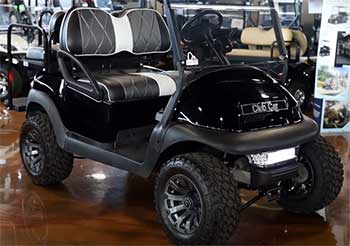
Racka attempts to compete with industry giants by offering a lifted 4-seater layout at a lower entry price.
However, Club Car outperforms Racka in structural integrity, manufacturing standards, and long-term value retention.
Club Car utilizes a rust-proof aircraft-grade aluminum frame, whereas Racka relies on heavy painted steel susceptible to rust.
Drive quality on a Club Car feels smooth, predictable, and refined, contrasting sharply with Racka’s jerky acceleration and noisy suspension.
Furthermore, Club Car boasts an extensive nationwide dealer network providing genuine replacement parts, making it a far superior choice over Racka’s frustrating customer support setup.
- Racka Golf Cart Vs. EZ-GO
EZ-GO has built a legendary reputation for manufacturing reliable, American-made golf carts for decades.
When comparing EZ-GO to Racka, the difference in engineering quality becomes glaringly obvious. EZ-GO models like the RXV and Express feature whisper-quiet AC drives, advanced regenerative braking, and rock-solid electrical architecture.
Conversely, Racka struggles with unrefined motor controllers, electrical glitches, and fragile plastic body components.
While a Racka cart comes with flashy standard options like custom wheels and brush guards, EZ-GO delivers true durability, safety, and smooth riding comfort that easily justifies paying a higher purchase price.
- Racka Golf Cart Vs. Yamaha
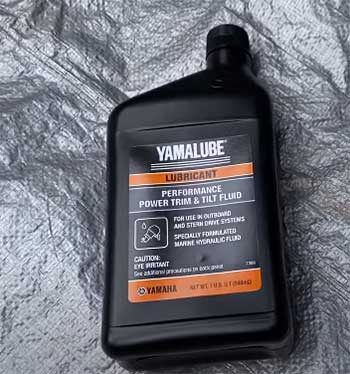
Yamaha sets the gold standard for suspension comfort, ergonomic seating, and automotive-grade assembly precision.
Driving a Yamaha drive2 electric cart feels effortless, featuring precise rack-and-pinion steering and plush seating.
In comparison, Racka delivers a harsh, bumpy ride with noticeable body roll during sharp turns.
Yamaha’s lithium-ion battery integration comes backed by comprehensive multi-year factory warranties, while Racka owners frequently report dead chargers and unresponsive support representatives.
Choosing a Yamaha guarantees smooth operation, high resale value, and hassle-free ownership, leaving the budget-focused Racka cart far behind in overall owner satisfaction.
- Racka Golf Cart Vs. ICON EV
ICON EV has disrupted the personal golf cart market by supplying feature-packed electric vehicles with impressive speed and standard street-legal lighting kits.
Comparing ICON EV to Racka highlights major gaps in quality control and component selection. ICON utilizes Toyota AC controllers and digital dashboard clusters that operate reliably under daily use.
Racka uses lower-grade generic electronics that suffer from frequent power dropouts and faulty battery meters.
ICON EV’s nationwide service network offers dependable warranty fulfillment, whereas Racka buyers often face dead ends when attempting to source replacement parts or claim warranty repairs.
- Racka Golf Cart Vs. Evolution Electric Vehicles
Evolution Electric Vehicles delivers sleek design, advanced touchscreen displays, and comfortable luxury seating across its popular D5 and Forester models.
When set side-by-side with Racka, Evolution showcases far superior interior craftsmanship, better paint finishes, and smooth suspension dampening.
Racka carts feel cheap and hollow inside, burdened by hard plastics and squeaky shocks.
Evolution’s 110Ah lithium battery setup provides consistent, high-torque power up steep hills without thermal throttling, whereas Racka’s motor loses speed rapidly under heavy passenger loads.
Evolution remains a much more trustworthy brand for discerning buyers.
Also Read: Comparison Of Club Car Vs. E-Z-Go Vs. Yamaha
Frequently Asked Questions (FAQs)
Racka golf carts are manufactured in China by Tao Motors and imported into the United States by Champion Motorsports Group based in Mesquite, Texas.
Club Car, EZ-GO, and Yamaha are widely recognized by technicians and golf course managers as the most reliable, durable, and well-supported golf cart brands in the world.
A new Racka electric golf cart typically costs between $7,999 and $8,499 depending on sales promotions, battery type, and seating options.
Teko golf carts offer modern features like touchscreen displays, lithium battery technology, and smooth AC motors, making them a decent budget contender, though long-term reliability and dealer parts availability remain less proven than top legacy brands.
Final Thoughts
After evaluating the physical build quality, real-world owner complaints, and persistent electrical issues associated with this vehicle, I cannot recommend purchasing a Racka golf cart.
When you want to buy a dependable electric golf cart that guarantees long-term satisfaction, you should purchase an established brand like Club Car, EZ-GO, or Yamaha directly from a certified local dealer.
Investing your money into a trusted brand protects your safety, ensures easy access to replacement parts, and provides a smooth, reliable ride for years to come.