I carried both the Osprey Farpoint and the Fairview on multi-day trips flights and city walking to test real comfort and organization.
The main intent of this article is to show the practical differences in fit harness design and everyday travel use so you can choose the pack that matches your torso and travel style.
My focus stays on real carry comfort packing access and airline practicality rather than marketing claims alone.
You will see how the Farpoint compares with the Fairview.
| Feature | Osprey Farpoint | Osprey Fairview |
| Fit | Men’s / longer torso | Women’s / shorter torso |
| Volumes | 40L 55L 70L | 40L 55L 70L |
| Daypack Option | On 55L and 70L | On 55L and 70L |
| Carry-On Focus | 40L version | 40L version |
| Best For | Broader shoulders longer torsos | Narrower shoulders shorter torsos |
My Experience Testing Both Packs Side by Side
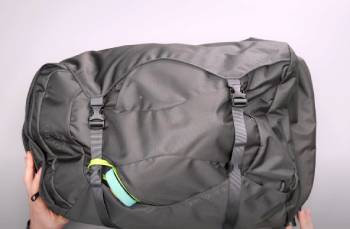
I started with the Osprey Farpoint 40 and 55 on a mix of short flights and longer backpacking-style travel.
The harness sat comfortably on my longer torso and the hipbelt transferred weight well during full-day walks.
Suitcase-style zip access made packing and airport security simple.
The stowaway harness kept the bag clean when I checked it.
I then switched to the Fairview in the same sizes for similar trips.
The contoured shoulder straps and shorter torso range felt noticeably better on a smaller frame.
Weight sat higher and more securely on the hips.
Both packs shared the same durable fabric lockable zippers and thoughtful organization.
Key features such as panel-loading main compartments laptop sleeves and compression straps shaped the similar travel experience while harness geometry and torso fit differences stood out clearly.
My extended side by side testing supplied the concrete comfort packing and airline notes that follow.
I paid attention to how each handled full loads long walks and overhead bin constraints.
Neither pack failed on construction or weather resistance during normal use.
The choice came down to which harness matched the wearer’s body rather than any major feature gap.
Fit Harness and Carry Comfort
Fit and harness design decide how the pack feels after hours of walking or standing in airports.
The Farpoint uses a men’s-oriented harness with a longer torso adjustment range and straighter shoulder straps.
It suited broader shoulders and longer backs without pressure points.
The Fairview shortens the torso range and shapes the shoulder straps and hipbelt for narrower shoulders and a higher hip carry.
Analytical review of comfort places the Fairview ahead for many women and shorter torsos.
The Farpoint leads for longer torsos and broader frames.
Key features of both include adjustable harnesses padded hipbelts and load-lifting designs.
Key features of the Fairview focus on contoured straps and women-specific geometry.
Real full-day carries confirmed the correct harness eliminates the need to constantly shift the load.
Packing Organization and Travel Features
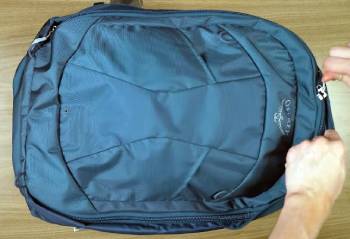
Packing access and organization affect how quickly you move through airports and hostels.
Both packs open with a large suitcase-style panel that lays the main compartment flat.
Internal compression and multiple pockets keep clothes and gear separated.
The 55L and 70L versions add a zip-off daypack that serves as a personal item or daily bag.
Laptop sleeves fit common sizes and lockable zippers add security.
Analytical scoring of organization places the two packs essentially equal.
Key features of both include stowaway harnesses padded handles and durable recycled fabrics.
Real packing sessions confirmed either version handles one-bag travel cleanly when the size matches the trip length.
Carry-On Use Sizes and Everyday Practicality
Size options and airline practicality decide which version of the pack actually works for the way you travel.
I flew and walked with both the Osprey Farpoint and Fairview in 40L and 55L sizes to judge real carry-on behavior and daily convenience.
The 40L models from both lines are built to meet most standard airline carry-on limits.
When packed with moderate compression they fit overhead bins on major carriers without issue.
The suitcase-style opening made security checks faster and the stowaway harness kept straps from catching on conveyor belts when I needed to gate-check.
The 55L versions combine a main pack that often still qualifies as carry-on with a zip-off daypack.
I used the daypack as my personal item under the seat and treated the main bag as the cabin bag.
This setup worked well for trips longer than a few days yet required careful packing to stay within weight and size rules.
The 70L sizes shift into checked-bag territory for most airlines and suit extended travel when extra volume matters more than cabin access.
Analytical review of practicality shows both Farpoint and Fairview perform identically once the correct volume is chosen.
The only real difference remains the harness fit rather than any size or airline behavior gap.
Key features of both include lockable zippers padded grab handles and durable fabric that tolerates airport handling.
Key features of the 40L focus on pure one-bag carry-on simplicity.
Key features of the 55L focus on the flexible daypack system for mixed cabin and daily use.
Real airport and city testing confirmed that staying honest about volume and weight keeps either pack trouble-free.
Overstuffing quickly turns a carry-on into a checked bag or an uncomfortable load.
The better long-term choice depends on typical trip length and whether you prefer a single 40L bag or the extra flexibility of the 55L daypack system.
These size and practicality differences become clear after the first couple of flights and help match the right Osprey travel pack to your itinerary and packing style.
Also Read: My Experience With Osprey Farpoint 40 Travel Pack
Pros and Cons Of Osprey Farpoint

Pros Of Osprey Farpoint
- Longer Torso Fit: Suits broader shoulders and taller frames comfortably.
- Identical Travel Features: Same organization access and durability as Fairview.
- Carry-On 40L Option: Meets most airline size limits for one-bag travel.
- Detachable Daypack: Available on 55L and 70L for flexible daily use.
- Stowaway Harness: Protects straps when the bag is checked.
- Suitcase-Style Access: Makes packing and security checks faster.
- Durable Fabric: Handles repeated travel abrasion well.
- Laptop Sleeve: Protects devices during transit.
- Lockable Zippers: Adds security in hostels and airports.
- Proven Travel Design: Trusted by long-term travelers for years.
The Analytical Cons Of Osprey Farpoint
- Less Ideal for Shorter Torsos: Harness geometry can feel high or loose on smaller frames.
- Men’s Fit Bias: Shoulder straps and hipbelt favor broader builds.
- Weight When Full: Larger sizes become heavy if overpacked.
- No Major Feature Edge: Shares every travel function with the Fairview.
- Hipbelt Comfort Varies: May not hug narrower waists as securely.
- Color Options Differ: Selection can vary by season and retailer.
- Price Premium: Sits above basic travel packs.
- Learning the Adjustments: Proper torso and hipbelt fit takes a few tries.
- Daypack Only on Larger Sizes: 40L lacks the detachable option.
- Bulk When Fully Loaded: Can feel large in crowded transport.
Pros and Cons Of Osprey Fairview
Pros Of Osprey Fairview
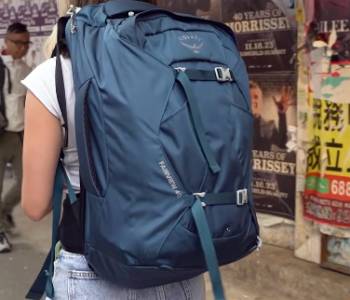
- Women-Specific Harness: Contoured straps and shorter torso range improve comfort.
- Better Hipbelt Shape: Hugs narrower waists and sits more securely.
- Same Travel Features: Identical organization access and durability.
- Carry-On 40L Option: Works for most airline cabin limits.
- Detachable Daypack: Available on 55L and 70L versions.
- Stowaway Harness: Keeps straps protected during checked travel.
- Suitcase-Style Opening: Simplifies packing and inspection.
- Durable Construction: Handles long-term travel wear.
- Laptop Protection: Dedicated sleeve for devices.
- Secure Zippers: Lockable main compartment for peace of mind.
The Analytical Cons Of Osprey Fairview
- Shorter Torso Range: May feel restrictive for longer torsos.
- Narrower Fit Focus: Less ideal for broader shoulders.
- Identical Feature Set: No functional advantage over Farpoint.
- Weight When Loaded: Larger volumes still add up quickly.
- Price Matches Farpoint: No savings for the women-specific version.
- Daypack Limited to Bigger Sizes: 40L stays single-bag only.
- Adjustment Learning: Proper fit still requires careful setup.
- Color Availability: Options can differ by market.
- Bulk in Transit: Full packs remain sizable in tight spaces.
- Fit Still Personal: Not every woman prefers the contoured design.
Also Read: Comparison Of Osprey Farpoint 40 Vs. Porter 46
Frequently Asked Questions (FAQs)
Yes the Osprey Fairview 40L is designed to meet most airline carry-on size limits when packed appropriately.
The Farpoint and Fairview series rank among the best travel backpacks while the Atmos/Aura and Exos/Eja lines lead for hiking.
The Fairview 40 is sized for overhead bins and is generally too large to fit under most airplane seats.
The main body of the Fairview 55 is often carry-on compliant while the attached daypack is intended as a personal item or can be detached.
Final Thoughts
I compared the Osprey Farpoint and Fairview through real travel days and flights to highlight the differences in fit and carry comfort.
The main intent remains giving you clear side by side observations on harness design packing and airline practicality so you can select the pack that matches your body and trip style.
The Farpoint leads for longer torsos and broader frames while the Fairview excels at shorter torsos and women-specific comfort.
You now have the detailed experience to decide which Osprey travel pack belongs on your next trip.