You want a dependable travel backpack that handles real trips without frustration.
I put the Osprey Farpoint 40 and Porter 46 through multiple journeys to compare them head to head.
This guide covers comfort, features, carry-on performance, pros, cons, and maintenance so you can choose wisely for your adventures.
I share my hands-on experiences with key details to help you pack smarter next time.
| Feature | Osprey Farpoint 40 | Osprey Porter 46 |
| Capacity | 40 liters | 46 liters |
| Weight | Around 3 pounds | Around 3.4 pounds |
| Carry-on Fit | Excellent for most airlines | Good when compressed but tighter fit |
| Comfort | Superior suspension and padding | Decent but less supportive on long walks |
| Organization | Basic clamshell with laptop sleeve | More pockets and front panel access |
| Best For | Active travel and hiking segments | Longer trips needing extra space |
My Hands-On Experience With Osprey Farpoint 40 and Porter 46
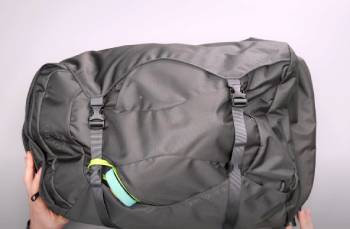
I packed the Farpoint 40 for a two-week Europe trip and immediately noticed the difference. The clamshell opened fully like a suitcase. I arranged packing cubes easily.
The LightWire frame shifted weight to the hip belt during long airport walks. You feel supported without sore shoulders. The mesh back panel breathed well in summer heat.
I stowed the harness quickly for a clean duffel look on trains. Security checks went fast thanks to the side laptop access.
Rain hit during hikes. The fabric beaded water effectively. The pack stood stable on hostel floors. Unpacking took little time.
On cobblestones in Lisbon the adjustable straps kept everything comfortable for miles. I trusted it completely after that trip.
Later the Porter 46 joined me for Southeast Asia. The extra space fit souvenirs and layers without struggle.
Front panel pockets kept documents ready. You grab essentials fast at borders. The clamshell still made reorganizing simple.
Yet after full days the thinner padding showed. I adjusted straps more often. Bulk felt noticeable in tight buses.
Compression helped with bins but took extra effort. Both survived baggage handling well.
Maintenance Tips for Osprey Farpoint 40 and Porter 46 Backpacks
Taking care of your Osprey backpack extends its life significantly.
Start with regular cleaning. Empty the pack completely after every trip. Wipe interior and exterior with a damp cloth and mild soap. Avoid harsh chemicals that damage coatings.
For deeper cleans hand wash in lukewarm water. Use a soft brush on stubborn spots. Rinse thoroughly. Hang dry in shade away from direct sun which fades colors. Never machine wash or dry as heat warps frames and zippers.
Inspect zippers often. Lubricate them lightly with silicone spray if they stick. Fix loose threads immediately to prevent unraveling. Check straps and buckles for wear. Osprey warranty covers defects so contact them for issues.
Store properly. Keep the pack in a cool dry place. Stuff lightly with paper to maintain shape. Avoid cramming into tight spots long term.
Waterproofing fades over time. Reapply DWR treatment sprays as needed for rain resistance. Test on a small area first.
For odor control air out after damp trips. Use backpack freshener sachets inside.
Tighten all adjustments before storage. This prevents strap damage.
These habits keep both models performing like new for years. You invest once and enjoy reliable gear trip after trip.
Sub-heading: Daily Care Routine for Your Osprey Travel Backpack
Wipe down after use. Spot clean dirt. Dry fully before packing away.
Sub-heading: Long Term Storage Solutions for Osprey Farpoint and Porter
Use breathable covers. Avoid plastic bags that trap moisture.
Sub-heading: Repair and Warranty Tips for Osprey Backpacks
Osprey offers excellent support. Send photos of damage for quick resolutions.
Sub-heading: Preventing Common Wear Issues in Osprey Farpoint 40 vs Porter 46
Do not overload beyond comfort. Distribute weight evenly. Use packing cubes to avoid bulges that stress seams.
Analytical Pros And Cons Performance Framework

Pros Of Osprey Farpoint 40:
- Superior Adjustable Suspension Harness System: The breathable mesh back panel combined with padded shoulder straps and hip belt distributes load weight efficiently across your torso for extended walking comfort during airport connections and city explorations.
- Reliable Domestic Carry-On Size Compliance: The compact 22 x 14 x 9 inch dimensions fit effortlessly into overhead bins on most major airlines allowing you to avoid checked baggage fees and delays consistently.
- Clamshell Style Main Compartment Access Layout: The large front panel U-zip opening reveals the entire interior like a suitcase making packing cubes and gear retrieval straightforward without endless digging.
- Effective Dual Internal And External Compression Strap Configuration: The integrated straps cinch down the pack volume securely when partially loaded preventing shifting contents and maintaining a streamlined profile through security lines.
- Protective Padded Laptop And Tablet Sleeve Integration: The dedicated side-access sleeve accommodates devices up to 16 inches with sufficient cushioning to safeguard electronics against bumps encountered in transit.
- Lightweight Overall Construction With Durable Recycled Fabrics: The approximately 3 pound base weight combined with robust 210D and 420D nylon materials balances portability and long-term abrasion resistance across multiple trips.
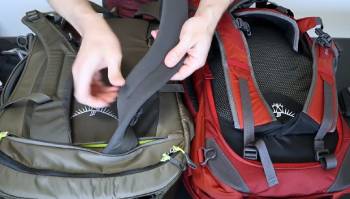
- Versatile Stowaway Harness And Hip Belt Mechanism: The zip-away back panel hides straps cleanly transforming the pack into a professional duffel appearance suitable for business or formal travel segments.
The Analytical Cons Of Osprey Farpoint 40
- Basic Organization Pocket Quantity Limitations: The minimal internal dividers and external pockets provide fewer dedicated spots for small items compared to more compartmentalized alternatives forcing reliance on packing cubes.
- Laptop Sleeve Placement Inside Main Compartment Area: Accessing your device requires opening the primary clamshell which disrupts quick retrieval during security screenings or short layovers.
- Softer Sidewall Structure When Fully Expanded: The flexible construction lacks rigid framing on the sides leading to potential bulging and reduced stability under maximum loads in crowded transport situations.
- Absence Of Included Detachable Daypack Option: You cannot quickly separate a smaller bag for excursions without purchasing additional accessories limiting flexibility on multi-activity itineraries.
- Moderate Ventilation Performance In High Heat Environments: While the mesh back helps the design still traps some warmth during prolonged carries in tropical climates requiring occasional adjustments.
Pros and Cons Of Osprey Porter 46
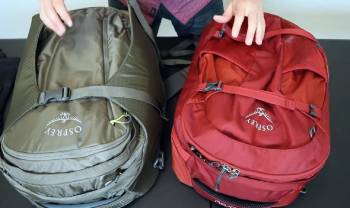
Pros Of Osprey Porter 46
- Generous 46 Liter Capacity Volume Design: The expanded interior space accommodates extended trip gear clothing and souvenirs without constant repacking giving you room for varied travel needs.
- Detailed Front Panel Organizational Layout: Multiple pockets and sleeves in the front section enable quick access to documents passports and cables keeping essentials separated and easy to locate.
- Robust Clamshell Opening With Compression Capabilities: The main compartment opens fully like luggage while external straps allow you to compress the pack tightly for compliance with size restrictions.
- Sturdy Material Construction For Protection: Thicker fabrics and reinforced areas shield contents effectively against rough handling from baggage systems and urban environments.
- Clean Duffel Conversion Through Strap Stowage: Hiding the harness creates a sleek professional silhouette ideal for train rides or situations where backpack appearance feels less appropriate.
- Lockable Zipper Systems Throughout: Secure sliders on main compartments add peace of mind when leaving the pack unattended in hostels or public spaces.
The Analytical Cons Of Osprey Porter 46
- Heavier Base Weight Impact On Mobility: The additional mass compared to lighter packs increases fatigue during long walks or multiple transfers especially when loaded near capacity.
- Thinner Padding On Shoulder Straps And Hip Belt: Limited cushioning reduces comfort for extended carrying sessions compared to models with more substantial suspension elements.
- Potential Carry-On Size Challenges When Overpacked: The dimensions may exceed strict airline sizers on budget carriers requiring compression adjustments or gate checking in certain scenarios.
- Reduced Back Panel Breathability Characteristics: The design traps heat more noticeably leading to discomfort in warm weather or during active movement through terminals.
- More Cumbersome Bulk In Tight Spaces: The boxier shape when full makes navigation through crowded aisles or small overhead bins slightly more challenging than slimmer profiles.
Also Read: My Experience With Lululemon New Crew Backpack
Osprey Farpoint 40 Vs. Other Brands
- Osprey Farpoint 40 Vs. Cotopaxi Allpa 35
The Cotopaxi Allpa 35 brings colorful style and strong organization. You notice the clamshell with many pockets keeping gear sorted.
Durability feels solid. Comfort is good but Farpoint wins on longer hikes with better hip belt. Allpa suits city trips with fun look.
Both manage carry-on rules. I found Allpa heavier loaded yet its colors cheered dull days. You pick based on suspension versus compartments.
- Osprey Porter 46 Vs. Peak Design Travel Backpack 45
Peak Design delivers premium details like magnetic closures. Side access grabs items fast. Tech protection stands out.
Porter offers straightforward space. Peak costs more for refinements. Osprey comfort leads on walks. Peak fits photographers.
Both stow straps. I used Peak for work. Organization impressed. Porter wins volume value.
- Osprey Farpoint 40 Vs. Tortuga Travel Backpack
Tortuga focuses on adjustable harness comfort. You carry heavy loads supported.
Farpoint stays lighter minimalist. Tortuga organizes well. Both excel carry-on.
Tortuga fits taller frames. Farpoint nimble in sprints.
Materials endure. Choose luxury or versatility.
- Osprey Porter 46 Vs. Patagonia Black Hole MLC 45
Patagonia Black Hole resists weather extremely. Recycled materials appeal.
Clamshell packs easily. Porter structures internals better. Both convert duffels.
Patagonia excels extremes. Porter roomier clothes. Comfort similar adjusted. Eco users prefer Patagonia.
- Osprey Farpoint 40 Vs. REI Co-op Ruckpack 40
REI Ruckpack gives budget performance. Value and comfort solid. Mimics suspension.
Farpoint refines frame lighter. Both carry-on capable.
REI great beginners. I borrowed it. Handled well. Lacked premiums. Osprey details edge out.
You see clear patterns. Osprey models balance features well. Consider your travel type. Test fits when you can.
Also Read: My Experience With North Face Recon Backpack
Frequently Asked Questions (FAQs)
Decent for short distances but padding limits long hauls.
Yes when compressed on most airlines.
Yes it fits most bins reliably.
Generally yes with adjustments. Strict carriers vary.
Final Thoughts
In conclusion you now have detailed insights into Osprey Farpoint 40 vs Porter 46 from real use. I enjoyed both but picked based on trip needs.
Farpoint worked for mobility. Porter for space. Weigh features against your style. Maintain them properly.
Bad reviews highlight importance of care. You travel lighter and smarter with the right choice. Safe journeys ahead.