I ran both Garmin dēzl truck GPS units and Rand McNally truck GPS units across thousands of miles of real over-the-road driving.
The main intent of this article is to show the practical differences in routing accuracy screen usability truck customization and long-term reliability so you can choose the GPS that best fits your trucking style.
My focus stays on actual route suggestions load-to-dock performance and daily cab use rather than marketing claims alone.
You will see how each system handles real highway and city challenges.
| Feature | Garmin dēzl Series | Rand McNally TND / OverDryve |
| Truck-Specific Routing | Excellent custom profiles | Good custom profiles |
| Screen Size Options | 6 to 10 inches | 7 to 8 inches typical |
| Map Updates | Lifetime on many models | Varied and sometimes limited |
| Extra Features | Driver alerts smart notifications | ELD HOS trip planning on some |
| Reliability Reputation | Strong among OTR drivers | Mixed long-term feedback |
| Best For | Precise routing and large display | Integrated fleet and logging tools |
My Experience Testing Both Systems Side by Side
I mounted a Garmin dēzl OTR unit on one side of the dash and a Rand McNally TND unit on the other for several weeks of mixed interstate and local deliveries.
Both devices accepted my truck height weight length and hazmat information during initial setup.
The first long haul ran from the Midwest to the East Coast.
The Garmin calculated a route that avoided low bridges and restricted roads with consistent accuracy.
The Rand McNally suggested a similar overall path yet offered one alternate that included a tighter turn I preferred to skip.
I followed the Garmin guidance for the full distance and arrived without unexpected restrictions.
City navigation showed clearer differences.
The Garmin provided earlier lane guidance and more precise spoken instructions at complex interchanges.
The Rand McNally screen displayed useful truck stops and service locations yet the voice prompts felt slightly less timely.
I tested both systems with a heavy load and the custom truck attributes active.
Each avoided weight-restricted bridges.
The Garmin interface let me adjust the truck profile faster when I changed trailers.
Battery and power draw stayed reasonable on both when connected to the permanent 12-volt supply.
I left both units running overnight in the cab during rest breaks without issues.
After two months of daily use the Garmin continued to receive map and software updates smoothly.
The Rand McNally unit required more manual checking for available updates.
Key features such as custom vehicle dimensions and truck-friendly points of interest appeared on both systems.
My extended side-by-side driving supplied the concrete routing and usability notes that follow.
Routing Accuracy and Truck Restrictions
Routing accuracy determines whether you stay on legal roads or face costly surprises.
The Garmin dēzl series consistently produced routes that respected the exact height weight and length data I entered.
Low bridges and weight-limited roads appeared as avoided segments with clear warnings.
The Rand McNally system also applied truck attributes and kept me on suitable roads for most of the miles.
On a few occasions the Rand McNally suggested a road that local knowledge told me was marginal for my combination.
I overrode the guidance and continued without problem.
Lane guidance on the Garmin appeared earlier and with clearer visuals at busy interchanges.
Analytical review of restriction handling places the Garmin ahead for pure routing confidence.
Key features of the Garmin include detailed custom truck profiles and frequent map refreshes.
Key features of the Rand McNally include solid base truck mapping and integrated points of interest.
Real loaded miles confirmed that both systems reduce risk yet the Garmin required fewer manual corrections.
Screen Usability and Interface
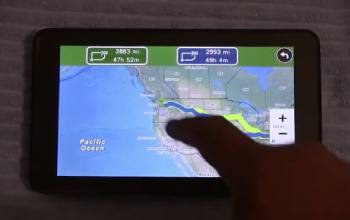
Screen size and interface design affect how quickly you can glance and understand the next instruction.
Garmin offers larger display options up to ten inches that make maps and upcoming turns easier to read from the driver seat.
The Rand McNally screens in the seven- to eight-inch range still provide clear visuals yet feel more compact.
Menu navigation on the Garmin felt intuitive after the first day.
I could change the truck profile or search for a truck stop with minimal taps.
The Rand McNally interface organized trip planning and logging tools in a way that suited drivers who want more than pure navigation.
Brightness and night mode worked well on both units.
Analytical scoring of daily usability gives the Garmin an edge for map clarity and the Rand McNally an edge for extra driver tools.
Key features such as customizable data fields and easy address entry appear on both.
Real cab time showed that either screen remains readable in bright sunlight and darkness.
Updates Reliability and Long-Term Ownership
Long-term ownership depends on map freshness and device stability.
Many Garmin dēzl models include lifetime map updates that install through Wi-Fi or computer connection without extra fees.
I received several updates during the test period that improved road data and points of interest.
Rand McNally update policies have varied by model and year.
Some older units faced limited or discontinued map support which concerned drivers who keep equipment for many seasons.
Hardware reliability reports from other drivers often favor Garmin for consistent performance over years of vibration and temperature extremes.
Analytical review of ownership experience places the Garmin ahead for update certainty and long-term dependability.
Key features of the Garmin include the lifetime update program on qualifying models.
Key features of the Rand McNally include strong integrated logging options on select units.
Real multi-month use confirmed smoother ongoing support on the Garmin side.
Also Read: My Experience With Wolfbox Mirror Dash Cam
Pros and Cons Of Garmin dēzl Truck GPS
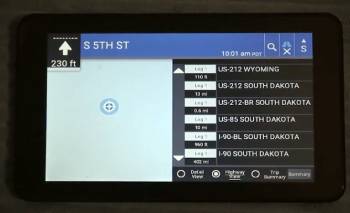
Pros Of Garmin dēzl Truck GPS
- Precise Truck-Specific Routing: Custom height weight length and hazmat profiles produce routes that reliably avoid restricted roads and bridges.
- Large Display Options: Screens up to ten inches improve map visibility and reduce glance time while driving.
- Lifetime Map Updates: Many models receive free map and software updates for the life of the device.
- Clear Lane Guidance: Early and detailed lane recommendations help at complex highway interchanges.
- Intuitive Interface: Menu structure and address search feel straightforward after short familiarization.
- Strong Reliability Reputation: Consistent performance reports from long-haul drivers support multi-year ownership.
- Smart Driver Alerts: Notifications for sharp curves speed changes and other hazards appear in useful time.
- Bluetooth Connectivity: Pairing with phones enables hands-free calls and message display on the screen.
- Customizable Data Fields: Drivers can show the information most relevant to their current trip.
- Solid Build Quality: Units handle continuous vibration and temperature swings inside the cab.
The Analytical Cons Of Garmin dēzl Truck GPS
- Higher Purchase Price: Larger-screen models sit at the premium end of the truck GPS market.
- Fewer Built-In Logging Tools: ELD and HOS features remain limited compared with some Rand McNally units.
- Learning Advanced Features: Full customization of profiles and alerts takes a short period of exploration.
- Mount Space Requirements: The biggest screens need careful dash placement to avoid blocking view.
- Phone Integration Dependence: Some smart features work best when paired with a compatible smartphone.
- Occasional Over-Cautious Routing: The system may avoid roads that experienced drivers know are acceptable.
- Accessory Costs: Official mounts and cable options add to the total investment.
- Update Process Variation: Wi-Fi updates are convenient yet computer-based updates remain necessary for some users.
- Limited Trip-Planning Depth: Advanced multi-stop optimization is less emphasized than pure navigation.
- Model Proliferation: Choosing among several dēzl variants can feel overwhelming for first-time buyers.
Pros and Cons Of Rand McNally Truck GPS
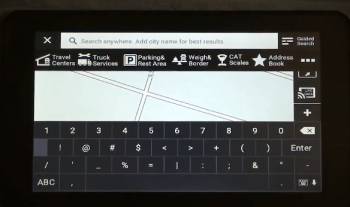
Pros Of Rand McNally Truck GPS
- Integrated Driver Tools: Select models combine navigation with HOS ELD and trip-planning functions in one device.
- Solid Truck Routing Base: Custom vehicle attributes keep most routes legal and practical for commercial loads.
- Useful Points of Interest: Truck stops scales and service locations appear with good coverage.
- Compact Screen Options: Seven- and eight-inch displays fit more easily on crowded dashes.
- Trip Organization Features: Tools for planning and recording miles support fleet and independent drivers.
- Familiar Map Branding: Long history in road atlases gives some users immediate confidence.
- Bluetooth and Connectivity: Phone pairing enables calls and additional data on compatible units.
- Custom Vehicle Profiles: Height weight and length settings apply restrictions during route calculation.
- Durable Cab Design: Units withstand typical vibration and temperature ranges inside the truck.
- All-in-One Potential: Drivers who want navigation plus logging can reduce the number of separate devices.
The Analytical Cons Of Rand McNally Truck GPS
- Mixed Update History: Some models faced limited or discontinued map support which affects long-term accuracy.
- Routing Inconsistencies: Occasional suggestions include roads that experienced drivers prefer to avoid.
- Smaller Maximum Screens: Display size options stop short of the largest Garmin offerings.
- Interface Learning Time: Menus that combine navigation and logging tools can feel denser at first.
- Reliability Feedback Variation: Long-term owner reports show more mixed results than the Garmin side.
- Voice Prompt Timing: Spoken directions sometimes arrive later than ideal at complex interchanges.
- Feature Fragmentation: Not every model includes the full suite of ELD and advanced tools.
- Support Continuity Questions: Company changes over the years have left some owners uncertain about future updates.
- Price-to-Support Ratio: Cost remains significant while update certainty varies by specific unit.
- Override Frequency: Drivers may need to correct routes more often than with the strongest competitors.
Also Read: Comparison Of Garmin GPSmap Vs. Echomap
Frequently Asked Questions (FAQs)
Garmin dēzl models currently earn the strongest overall reputation among many over-the-road drivers for routing accuracy and reliability.
Rand McNally continues to offer truck GPS and related products yet has undergone ownership and product-line changes that affected update policies on older units.
Current Rand McNally TND and OverDryve models that include truck routing and optional logging tools serve drivers seeking integrated features.
Yes Garmin dēzl truck GPS units are widely regarded as reliable accurate and well-supported for commercial driving needs.
Final Thoughts
I compared Garmin and Rand McNally truck GPS systems across thousands of real miles to highlight the differences in routing precision and daily usability.
The main intent remains giving you clear side-by-side observations on custom truck profiles screen clarity and long-term support so you can select the unit that matches your driving demands.
Both systems provide truck-aware navigation yet the Garmin series currently leads in update reliability and pure guidance confidence.
You now have the detailed experience to decide which truck GPS belongs on your dash.