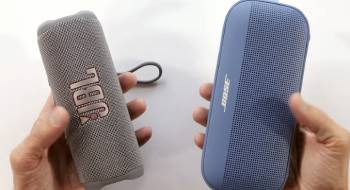
I spent months using both the JBL Flip 6 and the Bose SoundLink Flex at home outdoors and on short trips.
The main intent of this article is to show the practical differences in sound character battery life durability and daily handling so you can choose the portable speaker that best matches your listening style and environment.
My focus stays on real playback sessions measured volume and long-term reliability rather than specification sheets alone.
You will see how each speaker performs when the music matters.
| Feature | JBL Flip 6 | Bose SoundLink Flex |
| Sound Signature | Bass-forward and energetic | Balanced and refined |
| Waterproof Rating | IP67 | IP67 |
| Battery Life | Up to 12 hours | Up to 12 hours |
| Special Feature | PartyBoost pairing | PositionIQ orientation |
| Design | Cylindrical with fabric | Rugged silicone that floats |
| Best For | Outdoor parties and bold sound | Clear everyday listening and travel |
My Experience Testing Both Speakers Side by Side
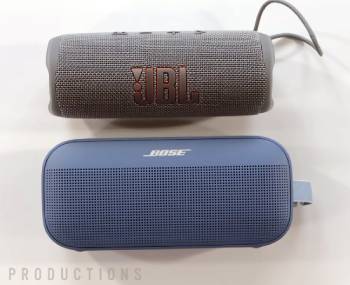
I placed the JBL Flip 6 and the Bose SoundLink Flex on the same outdoor table and played identical playlists at matched volume levels.
The Flip 6 immediately pushed stronger bass that filled the backyard with energy.
Kick drums and bass lines felt punchy and present.
The SoundLink Flex delivered a more even tonal balance with clearer vocals and instruments that stayed detailed even as I walked around the space.
I moved both speakers to a quiet indoor living room.
The Bose maintained its composed clarity at moderate volumes.
The JBL still sounded fun yet the bass occupied more of the overall picture.
I took both on a weekend camping trip.
Each survived dust and a light rain shower without issue thanks to the shared IP67 rating.
The Bose floated when I set it near the edge of a calm lake which gave me extra peace of mind.
The JBL stayed put on a rock and kept playing through a short splash test.
Battery life proved nearly identical.
I ran both from full charge to empty at medium volume and each lasted close to the claimed twelve hours.
Pairing stayed reliable on both through Bluetooth.
The JBL PartyBoost feature let me link a second Flip speaker for wider stereo sound at a small gathering.
The Bose PositionIQ adjusted the EQ automatically when I laid the speaker on its side or stood it upright.
After three months of regular use neither speaker showed wear on the exterior or decline in sound.
Key features such as the rugged builds and long playtime kept both speakers ready for spontaneous listening.
My extended side-by-side use supplied the concrete sound and handling notes that follow.
Sound Quality and Listening Character
Sound quality decides which speaker you reach for when the playlist starts.
The JBL Flip 6 emphasizes bass and overall energy.
Music with strong low end feels lively and engaging outdoors.
The Bose SoundLink Flex prioritizes balance and vocal clarity.
Acoustic tracks podcasts and vocal-heavy songs sound more natural and detailed.
I played the same electronic rock and spoken-word content on both.
The JBL made the electronic tracks more exciting.
The Bose made the spoken-word content easier to understand at a distance.
At maximum volume the JBL played louder before distortion crept in.
The Bose stayed cleaner at high levels yet did not reach quite the same peak volume.
Analytical review of sonic character places the JBL ahead for fun outdoor energy and the Bose ahead for refined everyday listening.
Key features of the JBL include the dual passive radiators that reinforce bass.
Key features of the Bose include the custom-engineered transducers and PositionIQ tuning.
Real listening sessions confirmed that personal taste in music style strongly influences the better choice.
Battery Life and Portability
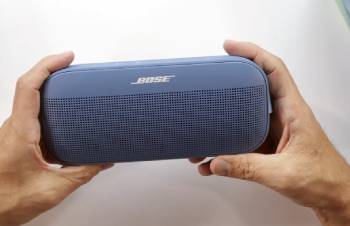
Battery life and size affect how often you charge and how easily you carry the speaker.
Both the Flip 6 and the SoundLink Flex claim up to twelve hours of playtime.
My real-world tests at moderate volume supported those numbers closely.
Charging each speaker from empty to full took roughly two and a half to three hours.
The JBL cylindrical shape slips easily into a side pocket of a backpack.
The Bose slightly boxier silicone body also travels well and adds the floating capability.
Weight feels similar in the hand.
Analytical scoring of portability calls the contest a near tie with a slight edge to the JBL for pocketability and a slight edge to the Bose for water confidence.
Key features such as the USB-C charging and long rated runtime appear on both.
Daily carry experience showed either speaker ready for spontaneous use.
Durability and Weather Resistance
Durability matters when the speaker leaves the living room.
Both models carry an IP67 rating for dust and water immersion.
I rinsed each under a faucet and played music afterward with no problems.
The Bose silicone exterior and floating design gave extra assurance near water.
The JBL fabric-covered body resisted scratches and dried quickly after moisture exposure.
Drop tests from waist height onto grass left both speakers unharmed.
Analytical review of toughness places both speakers in the reliable portable category.
Key features of the Bose include the buoyant rugged shell.
Key features of the JBL include the tightly sealed cylindrical construction.
Real outdoor use confirmed that either speaker handles typical travel and backyard conditions without complaint.
Also Read: My Experience With Sennheiser Accentum Plus
Pros and Cons Of JBL Flip 6
Pros Of JBL Flip 6
- Energetic Bass Response: Low frequencies hit with authority and make electronic hip-hop and dance tracks feel lively outdoors.
- Strong Maximum Volume: The speaker plays loudly before distortion becomes noticeable which suits open backyard gatherings.
- PartyBoost Pairing: Linking additional compatible JBL speakers creates wider sound coverage for larger groups.
- Compact Cylindrical Design: The shape slides easily into bags and fits comfortably in one hand.
- IP67 Waterproof and Dustproof: Full protection against immersion and dust supports confident outdoor use.
- Reliable Twelve-Hour Battery: Real playtime matches the claim at moderate volumes and reduces charging frequency.
- Durable Fabric Exterior: The covering resists everyday scuffs and dries quickly after moisture exposure.
- Simple Bluetooth Pairing: Connection to phones and laptops stays fast and stable across sessions.
- Good Value for Bold Sound: The combination of volume and bass delivers strong performance at its price level.
- Lightweight Portability: Easy to carry for spontaneous trips to the park or beach.
The Analytical Cons Of JBL Flip 6
- Bass-Heavy Balance: The emphasis on low end can overshadow vocals and finer details in acoustic or podcast content.
- Less Refined Clarity: Complex musical passages sometimes sound less separated than on more neutral speakers.
- No Built-In Voice Assistant Buttons: Control relies mainly on the source device rather than dedicated speaker keys.
- Fabric Can Collect Dust: The exterior texture holds onto fine particles in very dusty environments.
- Limited Orientation Tuning: Sound character stays consistent regardless of how the speaker sits.
- Peak Volume Trade-Off: Loud playback prioritizes impact over perfect cleanliness at the extreme end.
- Accessory Dependence for Stereo: True stereo requires a second compatible speaker.
- Button Layout Simplicity: Fewer physical controls mean more reliance on the paired device.
- Sound Profile Preference: Listeners who favor neutral balance may find the signature too colored.
- Replacement Part Availability: Specific fabric colors or grilles can become harder to source over time.
Pros and Cons Of Bose SoundLink Flex
Pros Of Bose SoundLink Flex
- Balanced and Clear Sound: Vocals instruments and spoken content remain detailed and natural across genres.
- PositionIQ Technology: Automatic EQ adjustment optimizes sound whether the speaker stands upright or lies on its side.
- IP67 Rating with Float Capability: Full dust and water protection plus buoyancy add confidence near pools and lakes.
- Consistent Twelve-Hour Battery: Playtime holds steady at everyday volumes and supports full-day use.
- Rugged Silicone Exterior: The soft-touch shell absorbs minor impacts and resists scratches well.
- Clean High-Volume Performance: Distortion stays low even as loudness increases.
- Compact Travel Size: The speaker fits easily in a day bag or suitcase pocket.
- Reliable Bluetooth Connection: Pairing remains stable across different devices and environments.
- Simple One-Touch Controls: Physical buttons for playback and volume sit within easy reach.
- Refined Everyday Listening: The tonal balance suits both background music and focused listening sessions.
The Analytical Cons Of Bose SoundLink Flex
- Milder Bass Output: Low frequencies lack the same punch that bass-focused listeners often want outdoors.
- Lower Peak Volume Ceiling: The speaker does not play quite as loud as some competitors before the sound softens.
- Premium Price Positioning: Cost sits at the higher end of the portable speaker range.
- No Native Multi-Speaker Pairing System: Expanding to stereo requires workarounds rather than a simple dedicated button.
- Silicone Surface Grip: The soft exterior can feel slightly sticky in very hot conditions.
- Sound Signature Preference: Listeners seeking aggressive bass may find the presentation too restrained.
- Limited Color Options: Availability of finishes is narrower than some rival lines.
- App Dependence for Advanced Features: Deeper customization relies on the Bose application.
- Weight Distribution: The speaker feels solid yet some users prefer even lighter options for ultralight packing.
- Orientation Sensitivity Without PositionIQ: Older listening habits may need adjustment to the automatic tuning.
Also Read: My Experience With JBL Quantum 100
Frequently Asked Questions (FAQs)
Bose SoundLink models often deliver more balanced clarity while JBL models frequently provide stronger bass and higher volume so the better choice depends on listening priorities.
Speakers such as the JBL Charge series or higher Bose models can surpass the SoundLink Flex in battery size or absolute loudness depending on specific needs.
The JBL Flip 7 continues the energetic bass-focused approach while the Bose SoundLink Flex prioritizes refined balance so preference determines the winner.
Bose frequently earns praise for clarity and tonal accuracy while JBL frequently earns praise for dynamic bass and outdoor presence making the answer dependent on personal taste.
Final Thoughts
I compared the JBL Flip 6 and the Bose SoundLink Flex through months of real listening to highlight the differences in sound character and everyday usability.
The main intent remains giving you clear side-by-side observations on bass versus balance durability and portability so you can select the portable speaker that fits your music and environment.
Both deliver strong battery life and rugged designs yet they serve slightly different listening styles.
You now have the detailed experience to decide which speaker belongs in your bag.