I installed the Garmin DriveSmart 66 in my vehicle and found a clear 6-inch dedicated GPS that makes a smart choice for drivers who want reliable navigation without relying solely on a phone.
The main intent of this article is to show you why this navigator with live traffic voice assist and road-trip features belongs on your dash for everyday and long-distance driving.
You will see how the bright screen accurate routing and useful driver alerts deliver practical results that justify the purchase for frequent travelers and data-conscious users.
My Experience Using the Garmin DriveSmart 66
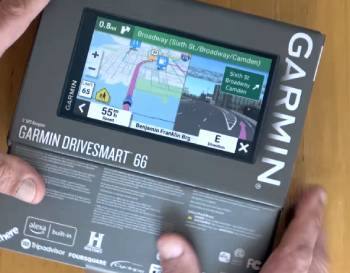
I mounted the Garmin DriveSmart 66 and completed the initial setup which included connecting to Wi-Fi for map updates and pairing my phone through the Garmin Drive app.
The 6-inch high-resolution screen proved easy to read in both bright sunlight and at night without washing out or becoming distracting.
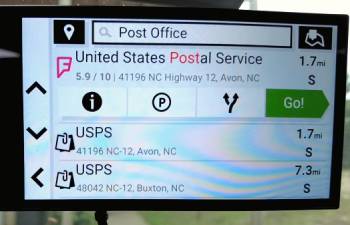
Address entry and point-of-interest searches felt faster than older Garmin units I have owned and the voice-assist function understood common destination requests clearly.
During highway and city driving the unit provided timely speed-limit and hazard alerts that increased situational awareness.
Live traffic fuel prices and weather information appeared once the phone was paired and helped me avoid delays on several trips.
In areas with poor or no cell coverage the preloaded maps continued to guide me without interruption which remains one of the strongest advantages of a dedicated GPS.
Overall the experience confirmed a polished navigator that balances modern connected features with dependable offline capability.
Key features such as the bright 6-inch display Alexa support driver alerts and Wi-Fi map updates shaped a device ready for daily commuting and longer road trips.
My weeks of mixed urban highway and rural driving supplied the concrete observations that follow.
Screen Visibility Routing Accuracy and Daily Driving
Screen visibility routing accuracy and daily driving determine whether a GPS unit reduces stress or becomes another distraction.
The Garmin DriveSmart 66’s 6-inch high-resolution display stayed readable in bright midday sun and at night without excessive glare or the need for constant brightness adjustment.
I placed the mount within easy glance range and found the map detail and turn icons clear enough to interpret quickly while keeping attention on the road.
Routing accuracy proved strong across city streets highways and secondary roads with timely lane guidance and realistic arrival estimates.
Driver alerts for speed changes school zones and sharp curves appeared early enough to be useful rather than startling.
Daily commuting became smoother because the unit handled frequent short trips and re-routing after missed turns without hesitation.
Voice prompts were audible over moderate road noise and could be adjusted without diving through complicated menus.
These traits make the DriveSmart 66 a practical daily driver tool that supports safer more confident travel rather than competing for attention.
Connected Features Offline Reliability and Road Trips
Connected features offline reliability and road trips shape the longer-distance value of a dedicated navigator.
When paired with a phone and the Garmin Drive app the unit displayed live traffic fuel prices weather and parking information that helped me avoid delays on several regional trips.
In areas with weak or no cellular coverage the preloaded maps continued to provide full guidance without interruption which remains one of the strongest reasons to keep a dedicated GPS.
Road-trip content including Tripadvisor ratings national-park information and HISTORY database points added useful context and occasional stop ideas without requiring extra research while driving.
Alexa Built-in and voice assist allowed hands-free requests for directions or simple information when conditions were safe.
The combination of connected data when available and dependable offline operation made the device equally useful for daily errands and multi-day drives.
Users who travel through rural zones or prefer not to drain phone batteries for navigation gain clear practical benefits from this dual capability.
Value Reliability and Long-Term Ownership
Value reliability and long-term ownership complete the practical assessment of the Garmin DriveSmart 66.
The purchase price sits above basic GPS units and reflects the brighter screen Wi-Fi updates and modern connected features.
In return you receive a device that continues to navigate when phones lose signal and that can be kept current without a computer.
Reliability for everyday and highway use has been solid when the mount remains secure and software updates are allowed to install.
Long-term ownership benefits from Garmin’s established map-update ecosystem and widespread accessory support.
Owners who treat the unit as a permanent vehicle tool rather than an occasional gadget generally report years of useful service.
When the cost is weighed against reduced phone dependence offline confidence and useful driver alerts the value proposition becomes clear for frequent drivers.
Those who rely exclusively on phone apps and strong cellular coverage may see less advantage.
For drivers who want a dedicated always-ready screen with both modern data and offline strength the DriveSmart 66 supports lasting satisfaction.
Maintenance Tips for Best Results
Simple habits keep the Garmin DriveSmart 66 accurate and ready for every drive.
Connect to Wi-Fi periodically so map and software updates install automatically.
Keep the screen clean with a soft microfiber cloth to maintain visibility.
Check that the mount remains secure and the power cable is undamaged.
Restart the device occasionally if the interface becomes unresponsive.
Store the unit out of extreme heat when the vehicle will sit for long periods.
Update the Garmin Drive app on your phone to preserve full connected-feature compatibility.
These quick steps support reliable routing clear visuals and continued access to live information.
Even basic attention helps the navigator deliver consistent performance across years of use.
Pros and Cons Of Garmin DriveSmart 66
Pros Of Garmin DriveSmart 66
- Bright 6-Inch Display: Easy to read in sunlight and at night without glare issues.
- Reliable Offline Maps: Continues navigation in areas with no cell coverage.
- Wi-Fi Map Updates: Simple wireless updates without connecting to a computer.
- Voice Assist and Alexa: Hands-free destination requests and additional voice control.
- Driver Alerts: Warnings for school zones sharp curves and speed changes improve awareness.
- Live Traffic and Data Features: Traffic fuel prices parking and weather when paired with a phone.
- Road-Trip Content: Tripadvisor ratings national parks directory and HISTORY points of interest.
- Bluetooth Hands-Free Calling: Supports calls when paired with a compatible smartphone.
- Compact Dash Footprint: Large enough to see yet does not block the view excessively.
- Dual USB Charger Included: Extra port for charging phones or other devices.
The Analytical Cons Of Garmin DriveSmart 66
- Phone Pairing Required for Live Data: Traffic and smart features need a compatible smartphone and app.
- Subscription Considerations: Some advanced connected services may involve ongoing costs or limitations.
- Not a Full Media Hub: Focuses on navigation rather than extensive entertainment options.
- Mount Stability Varies: Effectiveness depends on the quality of the mount and dashboard surface.
- Learning the Interface: New users may need a short period to explore all menus and settings.
- Limited Screen Size for Complex Maps: 6 inches is clear yet smaller than some newer larger models.
- Alexa Limitations While Driving: Voice functions should be used only when safe and legal.
- Battery Not Intended for Long Portable Use: Designed primarily for vehicle power.
- Price Higher Than Basic GPS Units: Reflects the added features and brand positioning.
- Occasional Software Quirks: Like most electronics infrequent glitches can appear after updates.
Also Read: Comparison Of Garmin Vs. Rand McNally Truck GPS
Garmin DriveSmart 66 Vs. Other Brands
- Garmin DriveSmart 66 Vs. Garmin DriveSmart 65
The DriveSmart 65 is the immediate predecessor with a similar 6-inch class screen.
I compared both and found the 66 offering refined software Alexa integration and smoother overall response.
Core navigation quality remains close between the two.
The 65 can still serve well at a lower price.
Newer voice features and updated interface details give the 66 the edge for most buyers.
- Garmin DriveSmart 66 Vs. Garmin DriveSmart 76
The DriveSmart 76 steps up to a larger display and additional refinements.
Side-by-side consideration showed the 76 providing more map detail visibility while the 66 stayed more compact and often less expensive.
Both share strong Garmin routing and offline capability.
The 76 suits drivers who want maximum screen size.
Everyday use and easier dash placement frequently favor the 66.
- Garmin DriveSmart 66 Vs. Smartphone Navigation Apps
Phone apps such as Google Maps and Waze offer excellent live data and free updates.
Direct comparison revealed phones depending entirely on cell coverage and battery life while the Garmin continued offline and kept the phone free for other tasks.
Garmin reduced data use and provided a dedicated always-ready screen.
Apps win for pure live-traffic crowdsourcing.
Reliable offline navigation and lower phone demand make the Garmin valuable for many drivers.
- Garmin DriveSmart 66 Vs. TomTom GPS Units
TomTom remains a primary competitor in dedicated automotive navigation.
I found TomTom strong in map style and traffic services while Garmin offered broader road-trip content and smoother voice integration in this model.
Both deliver solid offline guidance.
TomTom appeals to users already comfortable with its interface.
Garmin’s ecosystem and feature mix often feel more complete for North American road trips.
- Garmin DriveSmart 66 Vs. Older Dedicated GPS Models
Older Garmin and rival units lack Wi-Fi updates modern voice control and rich connected features.
Side-by-side reality showed the DriveSmart 66 far easier to keep current and more helpful with live information.
Legacy units can still navigate basic routes.
The newer feature set and brighter display make the 66 a clear upgrade for most owners.
Also Read: Comparison Of Garmin Edge 840 Vs. 540
Frequently Asked Questions (FAQs)
Some users report occasional software quirks after updates or mount-adhesion issues on certain dashboards. Most problems are uncommon with regular updates.
It is a recent-generation model in the DriveSmart series released in the early 2020s timeframe.
The 66 adds refined software Alexa Built-in support and incremental interface improvements over the 65.
The best model depends on screen-size preference and budget. The 66 offers a strong balance of features and size for most drivers.
Final Thoughts
I used the Garmin DriveSmart 66 and found a clear reliable dedicated GPS that makes a practical choice for drivers who want navigation without constant phone dependence.
The main intent remains showing you the real results on screen quality routing and connected features so you can travel with greater confidence.
The bright display offline maps and useful driver alerts deliver everyday benefits that justify the purchase.
You now have the detailed experience to choose the DriveSmart 66 and enjoy smoother more informed drives.