I tested both the Flyhugz and Wander Plus travel pillows on long flights train rides and overnight buses.
The main intent of this article is to show the practical differences in support firmness packability and real sleep comfort so you can choose the neck pillow that best matches your travel style.
My focus stays on actual head position heat buildup and ease of use rather than marketing claims alone.
You will see how Flyhugz compares with Wander Plus.
| Feature | Flyhugz | Wander Plus |
| Foam Feel | Soft to medium | Medium to firm |
| Chin Support | Moderate to good | Strong |
| Packability | Excellent | Good |
| Weight | Lighter | Slightly heavier |
| Best For | Light packing and shorter rests | Long-haul upright sleep |
My Experience Testing Both Pillows Side by Side
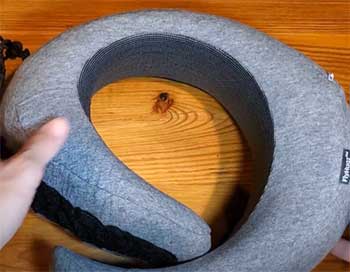
I started with the Flyhugz on a medium-haul overnight flight.
The pillow felt soft and light around my neck.
It packed down small into its pouch and took almost no space in my personal item.
Chin support helped limit some forward drop yet my head still shifted during deeper sleep.
Heat stayed manageable in the warm cabin.
I then switched to the Wander Plus on a longer international leg.
The denser foam held my head more securely in an upright position.
Forward bobbing decreased noticeably and side support felt stronger.
The pillow took more room when packed and felt a bit warmer after several hours.
Both covers were removable and machine washable which kept them fresh between trips.
Key features such as memory foam cores adjustable closures and travel pouches shaped the similar core experience while firmness height and packed size differences stood out clearly.
My extended side by side testing supplied the concrete support comfort and practicality notes that follow.
I paid attention to how each performed during actual sleep attempts and while sitting upright for hours.
Neither pillow eliminated every discomfort of economy seating yet both improved on a folded jacket.
The choice came down to whether maximum packability or stronger upright hold mattered more for my typical trips.
Support Firmness and Sleep Position
Support and firmness decide whether your head stays in place once you doze off.
Flyhugz offers a softer medium feel that cushions the neck without feeling rigid.
It works well for shorter rests and window-seat leaning.
Chin coverage is present yet not as structured as some denser designs.
Wander Plus uses firmer foam that resists compression longer.
The higher sidewalls and stronger front section reduce the classic head-bob more effectively on long-haul flights.
Analytical review of sleep support places Wander Plus ahead for upright sleepers and extended flights.
Flyhugz leads for travelers who prefer a gentler cushion and less bulk.
Key features of both include 360-degree style designs and adjustable straps.
Key features of Wander Plus focus on denser foam and higher chin control.
Real overnight tests confirmed the firmer hold of Wander Plus kept my neck more stable through deeper sleep cycles.
Also Read: Comparison Of FlyHugz Vs. Wander Plus Travel Pillows
Packability Weight and Travel Convenience
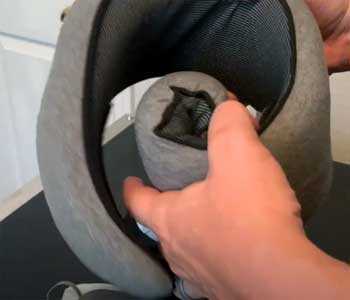
Packability and weight affect how willingly you bring the pillow on every trip.
Flyhugz compresses into a very small pouch and feels light in a daypack or personal item.
It is easy to clip or stuff without adding noticeable bulk.
Wander Plus packs reasonably well yet remains bulkier and a bit heavier.
It still fits most carry-on setups but takes more dedicated space.
Analytical scoring of convenience places Flyhugz clearly ahead for minimalists and frequent short trips.
Wander Plus remains practical when support outweighs packed size.
Key features of both include travel pouches and soft outer covers.
Real packing sessions confirmed Flyhugz disappears more easily into tight bags.
Heat Breathability and Everyday Practicality
Heat buildup and long-wear comfort decide whether you keep the pillow on for the full flight or pull it off halfway through.
I wore both the Flyhugz and Wander Plus for multi-hour stretches on planes trains and buses to judge real temperature and daily convenience.
Flyhugz stayed noticeably cooler in warmer cabins.
The lighter foam and more open feel allowed better airflow around the neck.
Even after several hours the pillow did not create a sticky or overheated sensation.
That made it easier to leave on during the entire segment without constant adjustment.
Wander Plus felt plush and supportive yet trapped more warmth.
The denser foam and thicker cover held heat against the skin once the cabin temperature rose.
I occasionally loosened the closure or shifted the pillow to let air in on longer flights.
Both covers removed easily and went through the washing machine without issue.
Clean fabric between trips remains a practical advantage for frequent travelers.
Analytical review of everyday practicality places Flyhugz ahead for temperature control and lighter daily carry.
Wander Plus still performs well when maximum support outweighs the extra warmth.
Key features of both include removable washable covers and adjustable closures that let you fine-tune the fit.
Key features of Flyhugz focus on the lighter construction that reduces heat retention.
Key features of Wander Plus focus on denser foam that prioritizes hold over airflow.
Real multi-hour wear confirmed the temperature difference becomes clear after the first few hours in a warm aircraft.
Packing and re-using either pillow stays simple once you develop a quick clean-and-store routine.
The better long-term choice depends on whether cooler wear and easy packing matter more or whether you accept a bit of extra warmth for stronger upright support on long-haul nights.
These heat and practicality differences show up quickly on real trips and help match the right travel pillow to your typical cabin conditions and journey length.
Pros and Cons Of Flyhugz
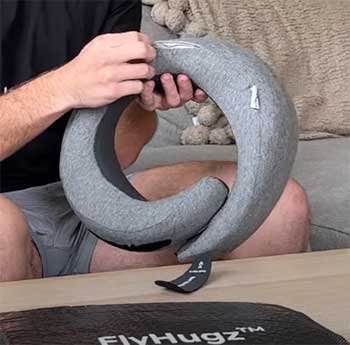
Pros Of Flyhugz
- Excellent Packability: Compresses small and stays light for easy carry.
- Soft Medium Feel: Cushions the neck without excessive pressure.
- Good Temperature Control: Stays cooler during longer wear.
- Adjustable Fit: Velcro or strap system works for many neck sizes.
- Chin Support Present: Helps limit some forward head drop.
- Travel Pouch Included: Keeps the pillow clean and compact.
- Machine-Washable Cover: Simple hygiene between trips.
- Lightweight Construction: Adds almost no weight to a bag.
- Suitable for Shorter Trips: Comfortable for naps and medium flights.
- Affordable Entry: Competitive pricing for memory foam support.
The Analytical Cons Of Flyhugz
- Softer Support: May allow more head movement during deep sleep.
- Mixed Durability Reports: Some users note shape loss or material concerns over time.
- Customer Service Complaints: Response times and resolution vary according to reviews.
- Height Sensitivity: Taller design can feel intrusive for short necks.
- Moderate Chin Hold: Less structured than denser competitors.
- Marketing vs Reality Gap: Some buyers find performance below ad claims.
- Foam Consistency: Quality can feel uneven across units.
- Limited Long-Haul Power: Better for shorter rests than red-eye endurance.
- Strap Comfort: Velcro can feel rough against skin for some.
- Brand Reputation Varied: Online feedback includes both praise and strong criticism.
Pros and Cons Of Wander Plus
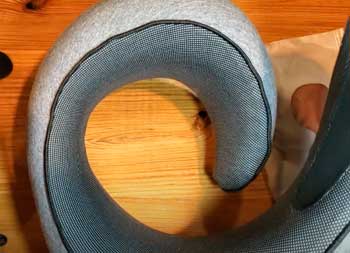
Pros Of Wander Plus
- Firmer Support: Holds the head more securely in an upright position.
- Strong Chin Control: Reduces forward bobbing on long flights.
- Dense Memory Foam: Maintains shape through extended use.
- Good Side Support: Higher walls stabilize left and right lean.
- Removable Cover: Easy to clean after travel.
- Consistent Rebound: Foam returns to form between uses.
- Long-Haul Focus: Designed for overnight and international segments.
- Adjustable Closure: Secures the pillow around different neck sizes.
- Plush Outer Feel: Soft against skin during wear.
- Positive User Feedback: Many travelers report better sleep quality.
The Analytical Cons Of Wander Plus
- Bulkier When Packed: Takes more space than ultra-compact options.
- Slightly Heavier: Noticeable compared with the lightest pillows.
- Warmer Feel: Can trap heat on longer flights in warm cabins.
- Firmness Preference: May feel too rigid for sleepers who want plush cushioning.
- Less Ideal for Kids: Size and density suit adult frames better.
- Packing Trade-Off: Support comes at the cost of some portability.
- Adjustment Period: Firmer design needs a flight or two to get used to.
- Cover Warmth: Plush fabric can feel less breathable.
- Availability Fluctuations: Stock and pricing can vary by retailer.
- Not a Miracle Solution: Still limited by economy seat constraints.
Also Read: My Experience With Cabeau Neck Pillow
Frequently Asked Questions (FAQs)
Common complaints include softer-than-expected support shape loss over time Velcro discomfort and inconsistent customer service responses.
Wander Plus receives generally positive product feedback from many travelers though like most direct-to-consumer brands experiences with service can vary.
A firmer supportive design such as the Wander Plus often works better for long-haul upright sleep while personal neck shape and preference still matter most.
Reddit discussions often compare it with other popular options and note solid support for upright sleeping with some users preferring alternative styles for packability or heat.
Final Thoughts
I compared Flyhugz and Wander Plus through real flights and overland travel to highlight the differences in support firmness and packability.
The main intent remains giving you clear side by side observations on sleep comfort heat and everyday convenience so you can select the travel pillow that fits your trips.
Flyhugz leads for light packing and cooler wear while Wander Plus excels at firmer upright support on long-haul segments.
You now have the detailed experience to decide which neck pillow belongs in your carry-on.