I tested both the Dometic CFX3 and CFX5 portable fridges on multi-day trips and daily vehicle use.
The main intent of this article is to show the practical differences in efficiency insulation power draw and real-world cooling so you can choose the model that best matches your travel style.
My focus stays on battery impact temperature stability and daily convenience rather than marketing claims alone.
You will see how the newer CFX5 compares with the proven CFX3.
| Feature | Dometic CFX3 | Dometic CFX5 |
| Insulation | High-efficiency foam | Vacuum Insulated Panels (VIP) |
| Compressor | VMSO Series 3 | VMSO 3.5 |
| Noise | Standard | Up to 5 dB quieter |
| Power Efficiency | Very good | Higher efficiency |
| Weight | Standard for size | Lighter thanks to VIP |
| Display / USB | Color display + USB | Higher-resolution display + stronger USB |
| Extra Features | App control | App + door-open alarm + bottle opener |
| Best For | Proven reliable cooling | Maximum efficiency and lower power use |
My Experience Testing Both Fridges Side by Side
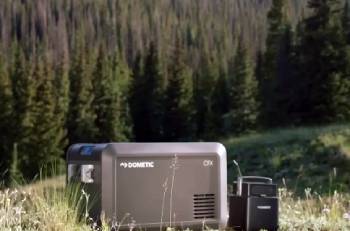
I ran the CFX3 first on a week-long overland trip.
It cooled quickly held steady temperatures and survived rough roads without issue.
Power draw stayed reasonable on a dual-battery setup.
The app let me check status from the tent and the unit felt solid every day.
I then switched to a matching-size CFX5 for a similar itinerary.
Pull-down time felt faster and the fridge ran less often once it reached the set point.
Battery voltage stayed higher over the same number of days.
The quieter compressor made a noticeable difference at night when the unit sat near the sleeping area.
Both lids sealed well and the interiors organized food the same way.
Key features such as robust construction app monitoring and 12/24 V plus AC power options appeared on both.
The CFX5 simply did the same job with less energy and less noise.
My side-by-side testing supplied the concrete efficiency and usability notes that follow.
Cooling Performance Insulation and Temperature Stability
Cooling speed and temperature hold decide how well food stays safe on long days.
The CFX3 already performs strongly with its efficient foam insulation and VMSO 3 compressor.
It reaches set points reliably and maintains them across changing ambient temperatures.
The CFX5 adds Vacuum Insulated Panels that reduce heat transfer more effectively.
Combined with the newer VMSO 3.5 compressor it pulls down faster and cycles less frequently.
Analytical review of real trips shows the CFX5 maintains tighter temperature control with lower overall runtime.
Both units handle fridge and freezer ranges without drama.
Key features of the CFX5 focus on VIP insulation and the smarter variable-speed compressor.
Key features of the CFX3 focus on proven durable cooling that still satisfies most users.
Also Read: My Experience With Dometic Fridge Alternatives
Power Consumption Battery Life and Efficiency
Power draw directly affects how long you can stay off-grid.
The CFX3 is already efficient for its generation and works well with standard dual-battery systems.
The CFX5 improves on that baseline.
Better insulation means the compressor runs less often and the variable-speed motor only works as hard as needed.
On identical multi-day trips my battery bank showed slower voltage drop with the CFX5.
Analytical scoring of efficiency places the CFX5 clearly ahead for solar or limited-amp setups.
Both support 12/24 V DC and AC power plus app-based monitoring of energy use.
Noise Build Quality and Everyday Practicality
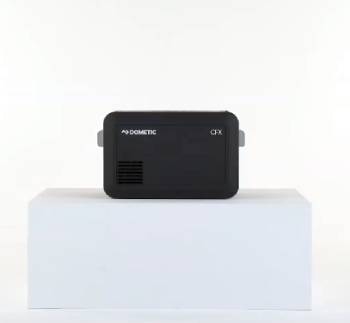
Noise levels build quality and daily handling decide how pleasant the fridge is to live with on long trips.
I paid close attention to all three while running the Dometic CFX3 and CFX5 side by side.
The CFX3 produces a normal compressor sound that most travelers accept.
It becomes noticeable at night when the camp is quiet yet never feels excessive for a portable unit.
The CFX5 runs up to five decibels quieter.
That difference is clear when the fridge sits near a sleeping area or inside a camper.
The variable-speed compressor settles into a lower hum once the set temperature is reached.
Build quality feels equally tough on both models.
Strong lids secure latches and reinforced corners handle corrugated roads and repeated loading without complaint.
Rubber dampers and spring-mounted components keep vibration in check on either generation.
The CFX5 edges ahead with slightly lower overall weight on many sizes thanks to the vacuum insulated panels.
Moving the fridge in and out of a vehicle feels easier.
Small daily conveniences also favor the newer model.
A built-in bottle opener sits near the handle and the app now includes a door-open alarm that helps prevent accidental warm-ups.
The higher-resolution display is easier to read at a glance.
Both units share the same useful app monitoring and flexible power inputs.
Analytical review of everyday practicality places the CFX5 ahead for refinement and lower noise while the CFX3 remains fully rugged and dependable.
Key features of both include robust construction shock protection and reliable sealing.
Key features of the CFX5 focus on quieter operation lighter weight and the extra convenience details.
Real multi-day use confirmed the noise reduction and easier handling become noticeable advantages on longer trips.
The better long-term choice depends on whether you value maximum refinement and efficiency or prefer the proven CFX3 platform at a potentially lower price.
These differences in sound quality construction and daily usability show up quickly once the fridge becomes part of your regular travel routine.
Pros and Cons Of Dometic CFX3
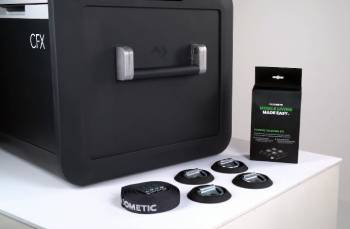
Pros Of Dometic CFX3
- Proven Reliability: Years of real-world use confirm durable performance.
- Strong Cooling: Reaches and holds fridge or freezer temperatures effectively.
- App Control: Monitor and adjust settings from your phone.
- Robust Construction: Handles rough roads and daily travel abuse.
- Flexible Power: Runs on 12/24 V DC and standard AC.
- Good Value: Often available at lower prices as the previous generation.
- Wide Size Range: Multiple capacities fit different trip lengths.
- Familiar Interface: Color display and controls many owners already know.
- Solid Insulation: High-efficiency foam keeps contents cold.
- Easy Service Network: Established support and parts availability.
The Analytical Cons Of Dometic CFX3
- Higher Power Draw: Uses more energy than the newer CFX5 under similar conditions.
- Louder Operation: Compressor noise exceeds the quieter CFX5.
- Heavier Build: Lacks the weight savings of vacuum panels.
- Older Compressor: VMSO 3 is less refined than the 3.5 version.
- Fewer Small Extras: Missing door-open alarm and bottle opener.
- Standard Insulation: Foam works well yet trails VIP efficiency.
- Being Phased Out: Newer stock and long-term parts focus shift toward CFX5.
- Slightly Slower Pull-Down: Takes longer to reach set point in hot conditions.
- Display Refinement: Functional yet less advanced than the CFX5 screen.
- Efficiency Gap: Less ideal for minimal solar or small battery banks.
Pros and Cons Of Dometic CFX5
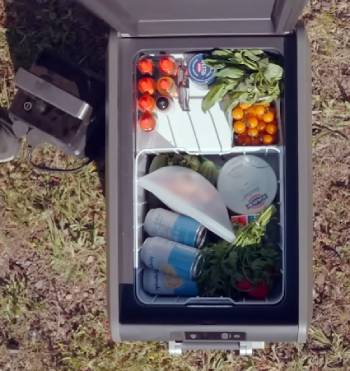
Pros Of Dometic CFX5
- Vacuum Insulated Panels: Superior thermal efficiency and lower weight.
- VMSO 3.5 Compressor: Faster pull-down smarter speed control and lower power use.
- Quieter Running: Up to 5 dB less noise than the CFX3.
- Better Energy Economy: Longer off-grid runtime on the same battery bank.
- Modern Display and USB: Higher-resolution screen and stronger charging port.
- Door-Open Alarm: App alerts help prevent accidental temperature rise.
- Bottle Opener: Small but useful built-in convenience.
- Lighter Weight: Easier to move and mount in many sizes.
- Even Temperature Distribution: Extended evaporator improves consistency.
- Future-Proof Design: Current flagship platform with ongoing support.
The Analytical Cons Of Dometic CFX5
- Higher Purchase Price: Premium features command a higher cost.
- Newer Platform: Less long-term field data than the CFX3.
- Availability Variations: Popular sizes can sell out during peak seasons.
- Diminishing Returns for Some Users: The efficiency gain matters most for serious off-grid use.
- Learning New Interface: Owners upgrading from CFX3 need a short adjustment.
- Still Requires Power: Not a passive cooler and needs a reliable source.
- Size-Specific Trade-Offs: Largest dual-zone models remain heavy and expensive.
- App Dependence for Full Features: Some alerts work best with the phone connection.
- Investment Level: May exceed needs for casual weekend users.
- Accessory Costs: Extras such as transit bags or battery packs add to the total.
Also Read: Comparison Of BougeRV Vs. Dometic Fridge
Frequently Asked Questions (FAQs)
The CFX5 adds Vacuum Insulated Panels a more efficient VMSO 3.5 compressor lower noise and small convenience upgrades while keeping a similar form factor.
The best model depends on your capacity needs and power budget yet the CFX5 series currently leads for efficiency and refinement.
Daily draw varies with ambient temperature set point and how often the lid opens yet typical real-world use often falls in the 20-40 Ah range at 12 V for moderate conditions.
Common issues include power-supply or fuse problems lid-seal wear and occasional error codes that usually resolve with correct voltage and basic maintenance.
Final Thoughts
I compared the Dometic CFX3 and CFX5 through real trips to highlight the differences in efficiency noise and daily convenience.
The main intent remains giving you clear side-by-side observations on power use temperature stability and practical features so you can select the portable fridge that fits your travel style.
The CFX5 leads for lower power draw quieter operation and modern refinements while the CFX3 remains a capable proven performer at a potentially lower price.
You now have the detailed experience to decide which Dometic cooler belongs in your vehicle.