Navigating the chaotic world of modern traffic requires a dependable witness on your dashboard to protect your wallet and your peace of mind.
When you decide to purchase a vehicle surveillance setup, you should buy a highly rated premium dash cam directly from verified automotive electronics retailers or the official corporate brand platform to ensure you receive a fully supported device with updated firmware rather than an unreliable system.
My Personal Experience With The Vigil Dash Cam
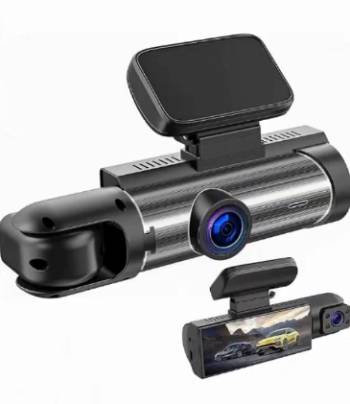
I purchased this multi-camera system hoping to secure complete inside-and-out coverage for my daily commute and occasional rideshare driving gigs.
The initial setup out of the box seemed straightforward enough because the package included a standard suction mount and a long power cable designed to route around the windshield.
I positioned the unit right behind my rearview mirror so the front lens could get a clear view of the road while the cabin-facing lens monitored the passenger seats.
The first few hours of daytime driving went smoothly, and I appreciated the convenience of the on-device playback screen for verifying that my viewing angles were perfectly aligned.
Unfortunately, my positive impressions quickly evaporated as soon as I encountered realistic driving conditions over the course of a full week.
The front sensor claims to capture high-definition footage, but the video output looked incredibly grainy, making it nearly impossible to read license plates of cars moving faster than twenty miles per hour.
When darkness fell, the interior cabin camera suffered immensely from severe digital noise, turning passenger faces into blurry silhouettes and rendering the night-vision capabilities practically useless for rideshare documentation.
The most alarming failure occurred during a minor traffic dispute when a delivery van abruptly cut me off and clipped my front bumper on a rainy afternoon.
I immediately pulled over to review the on-device playback, only to discover that the g-sensor had failed to lock the critical incident file, allowing the system to completely overwrite the crash footage during its standard loop recording cycle.
The device also began overheating constantly under normal summer weather conditions, causing the screen to freeze and the recording system to shut down without warning.
Dealing with these consistent technical glitches made me realize that a piece of safety equipment cannot afford to be hit-or-miss when your insurance deductible is on the line.
After spending hours trying to salvage corrupted video files and reading similar complaints from frustrated buyers online, I decided to remove the unit from my windshield permanently.
Maintenance Tips For Dash Cam Hardware
- Checking Storage Drive Status Weekly to Prevent Corrupted Video Files
Solid-state flash memory cards experience immense physical strain from continuous loop recording processes.
You must take the time to format your micro-SD card directly inside the system settings menu at least once every fourteen days.
This regular formatting procedure completely wipes clean any hidden corrupted file fragments and refreshes the file allocation table of the drive.
Never neglect this routine chore because ignoring storage health can cause the system to freeze up completely during an unexpected road accident.
- Wiping External Glass Lenses Regularly to Remove Sticky Cabin Residue
Automotive windshields consistently accumulate a thin layer of hazy chemical film caused by plastic outgassing and dashboard dust.
You need to use a clean microfiber cloth slightly dampened with isopropyl alcohol to gently clean both the front and interior camera lenses.
Avoid using ammonia-based household glass cleaners because these harsh chemicals can permanently strip away the delicate anti-glare coatings on the optics.
Keeping the optical glass perfectly pristine ensures the light sensor captures the clearest possible details of the road ahead.
- Inspecting Power Cable Connections to Avoid Sudden System Shutdowns
Constant vehicle vibrations from driving over rough pavement can slowly loosen the power plugs tucked into your dashboard outlets.
You must check the physical tightness of the cigarette lighter adapter and the small power input jack on the camera chassis every month.
Look closely for any signs of cable fraying, crimping, or plastic cracking along the entire length of the insulated wire harness.
Ensuring a solid, uninterrupted flow of electrical current prevents the device from losing power right before a critical traffic incident occurs.
- Removing Windshield Suction Mounts During Extreme Seasonal Temperature Spikes
Intense summer sun can superheat automotive glass to temperatures well above one-hundred-forty degrees Fahrenheit.
You should detach the mounting bracket from the windshield whenever you park your vehicle outside in an uncovered lot for extended periods.
Sustained thermal exposure causes the flexible rubber suction pad to dry out, warp, and lose its airtight chemical seal.
Storing the detached assembly safely inside your dark glove box prevents the heavy camera from crashing onto your center console.
Pros and Cons Of Vigil Dash Cam
Pros Of Vigil Dash Cam
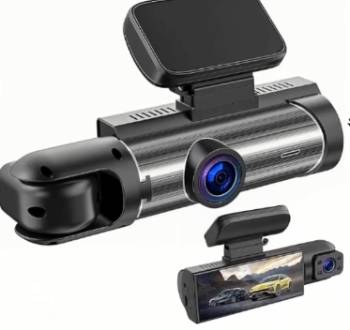
- Offers a comprehensive dual-lens physical housing that covers both a wide one-hundred-seventy-degree front perspective and a one-hundred-forty-degree interior cabin view simultaneously.
- Includes a built-in color display screen on the back of the main housing to facilitate immediate on-device playback without requiring an external smartphone application.
- Targets a highly diverse user demographic including standard commuters, anxious parents, and active rideshare drivers who want basic passenger monitoring capabilities.
- Eliminates the need for professional dashboard installation by utilizing a simple plug-and-play cigarette lighter power adapter and basic cable routing clips.
- Features a compact physical footprint that hides relatively well behind standard automotive rearview mirrors to avoid creating major visual blind spots for the driver.
- Captures basic environmental road evidence during ideal bright daylight conditions when vehicles are completely stopped or moving at very low speeds.
- Eliminates the need for separate audio recording hardware by integrating a functional built-in microphone directly into the primary interior camera chassis.
Cons Of The Vigil Dash Cam Journey
- Delivers incredibly poor video resolution during low-light conditions: The image sensor lacks advanced high dynamic range processing, causing nighttime footage to appear completely blurry, muddy, and plagued by severe headlight lens flare that obliterates license plate readability.
- Suffers from chronic overheating issues during summer weather exposure: The internal circuit board lacks adequate thermal dissipation pathways, forcing the unit to freeze completely, drop recording frames, or shut down randomly when exposed to direct sunlight on a warm windshield.
- Exhibits highly unreliable loop recording functionality that fails when needed: The firmware consistently glitche during memory card overwrites, causing the device to accidentally delete critical incident files or leave massive multi-second gaps between consecutive video clips.
- Utilizes a highly sensitive and poorly calibrated internal g-sensor: The impact detection system either triggers a false lock every time you drive over a minor pothole or fails to react entirely during actual low-speed bumper collisions, risking the loss of accident evidence.
- Relies on an incredibly short internal battery lifespan: The power cell loses its ability to hold a charge after a few weeks of exposure to cabin heat, preventing the parking mode surveillance system from operating unless you install a complicated hardwire kit.
- Features an incredibly cheap and fragile plastic mounting bracket: The locking mechanism on the suction cup degrades rapidly from standard vehicle vibrations, causing the entire camera assembly to shake violently while driving or fall off the glass entirely.
- Imposes severe micro-SD card compatibility restrictions on the user: The hardware frequently rejects standard high-capacity memory cards, displaying cryptic memory card error messages that require you to manually format the storage drive multiple times a week.
- Lacks modern wireless connectivity options like built-in Wi-Fi or Bluetooth: The absence of a dedicated mobile application forces you to physically eject the memory card or sit in a cramped car to review footage on a tiny screen.
Vigil Dash Cam Vs. Other Brands
- Vigil Dash Cam Vs. Vantrue N4 Pro
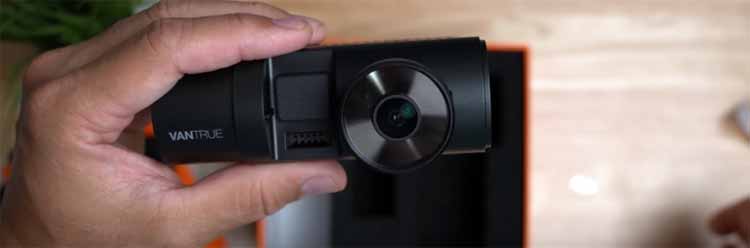
The Vigil Dash Cam attempts to offer multi-lens coverage at a highly accessible price point for everyday commuters.
Vantrue N4 Pro utilizes three distinct recording channels powered by advanced Sony Starvis two image sensors to deliver true four-K resolution.
The Vantrue model incorporates sophisticated infrared night vision technology that keeps the interior cabin perfectly visible even in complete pitch darkness.
Vantrue features supercapacitor power supplies that easily withstand extreme summer heat waves without experiencing dangerous battery swelling or system freezes.
While the Vigil device struggles with blurry video and thermal shutdowns, Vantrue provides exceptional reliability and crisp clarity for professional drivers.
- Vigil Dash Cam Vs. Rexing V1P Pro
The Vigil Dash Cam features a traditional boxy shape with a built-in screen that hangs down noticeably from your upper windshield glass.
Rexing V1P Pro sports a highly discrete, wedge-shaped body that mounts completely flat against the window to remain hidden from outside thieves.
The Rexing unit provides built-in Wi-Fi connectivity, allowing you to instantly download accident footage directly to your smartphone over a secure wireless network.
Rexing relies on a durable supercapacitor system that completely eliminates the safety hazards associated with standard internal lithium-ion batteries.
The Vigil camera lacks these modern app integration features, forcing you to use physical buttons to navigate menus.
- Vigil Dash Cam Vs. Garmin Dash Cam Tandem
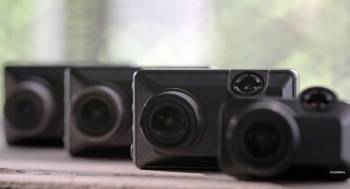
The Vigil Dash Cam relies on a large physical footprint that can distract the driver and clutter the interior dashboard environment.
Garmin Dash Cam Tandem features an incredibly pocket-sized design that is roughly the size of a standard plastic car key fob.
The Garmin device includes built-in GPS architecture that automatically overlays your exact driving speed and geographic coordinates onto the video file.
Garmin utilizes voice control technology, enabling you to save video clips or take photos safely without taking your hands off the steering wheel.
The Vigil system lacks any location tracking capabilities, making it much harder to prove your exact speed in court.
- Vigil Dash Cam Vs. Thinkware X1000
The Vigil Dash Cam requires frequent manual menu interaction to ensure the loop recording system hasn’t glitched out or frozen.
Thinkware X1000 provides a highly stable, automated user experience backed by proprietary anti-file corruption technology for absolute peace of mind.
The Thinkware system delivers superb super night vision processing that automatically brightens up dark alleyways and poorly lit parking structures.
Thinkware includes a highly advanced parking surveillance mode that monitors your vehicle for impact or motion while you are away.
The Vigil model lacks the robust power management software required to protect your car battery during long-term parking monitoring.
- Vigil Dash Cam Vs. Nextbase 622GW
The Vigil Dash Cam provides basic on-device playback functionality on a relatively low-resolution screen with limited contrast.
Nextbase 622GW features a massive, highly responsive three-inch HD touchscreen alongside cinematic four-K video recording capabilities.
The Nextbase flagship includes an emergency response system that automatically broadcasts your precise location to emergency services if you crash.
Nextbase utilizes digital image stabilization software to completely eliminate camera shake caused by bumpy roads or stiff vehicle suspensions.
The Vigil device suffers from shaky footage and lacks any life-saving emergency connectivity features for vulnerable solo drivers.
Frequently Asked Questions (FAQ)
The number one rated dash cam on the modern automotive market typically belongs to premium flagship models from specialized brands like Vantrue or Nextbase due to their inclusion of true four-K Sony Starvis image sensors, reliable supercapacitors, and seamless dual-band Wi-Fi application performance.
The most reliable dash cam models are those built with heat-resistant supercapacitors instead of standard lithium batteries, alongside robust file management systems from established manufacturers like Thinkware or Garmin that prevent recording gaps and survive extreme cabin temperatures.
The best brand for dash cam technology depends on your specific budget, but industry leaders like Vantrue, Thinkware, and Garmin consistently outperform generic competition by offering dependable automated parking modes, excellent low-light clarity, and regular firmware updates.
Your insurance rate does not typically go down automatically just for installing a dash cam, but having high-quality video evidence can save you thousands of dollars by instantly proving your innocence during disputed accidents and protecting your claims history.
Final Thoughts
Selecting a dependable automotive monitoring system is a critical investment toward securing your legal rights and preserving your financial stability on public roads.
When you decide to purchase a vehicle camera setup, you should buy a premium dash cam from an industry leader to guarantee optimal hardware durability.
Because the generic Vigil system suffers from unreliable loop recording, poor night vision, and constant overheating issues, I cannot recommend it as a trustworthy safety companion for your daily journeys.