I used both the OtterBox Symmetry and the OtterBox Commuter on the same phone through daily carries drops and pocket use under real conditions.
The main intent of this article is to show the practical differences in protection level slimness style and everyday handling so you can choose the case that best matches your priorities.
My focus stays on real drop confidence pocket feel installation ease and long-term wear rather than marketing claims alone.
You will see how the Symmetry compares with the Commuter.
| Feature | OtterBox Symmetry | OtterBox Commuter |
| Construction | One-piece co-molded | Two-piece dual layer |
| Profile | Slimmer | Slightly bulkier |
| Port Covers | No | Yes |
| Style Options | More colors and designs | More utilitarian |
| Best For | Slim daily style | Extra rugged commuting |
My Experience Testing Both Cases Side by Side
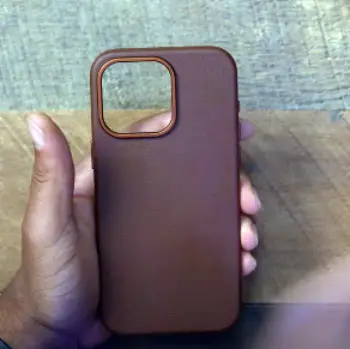
I started with the OtterBox Symmetry for several weeks of normal pocket carry and desk use.
The case felt slim and the phone still slid easily into jeans pockets.
Installation was simple as a single piece and the buttons remained responsive.
I then switched to the OtterBox Commuter on the same device.
The dual-layer design added a bit more bulk yet the phone still felt secure.
The port cover kept lint out of the charging port during dusty days.
Both cases survived intentional low drops onto hard floors without damage to the phone.
Key features such as raised edges around the screen and camera dual-material construction and precise cutouts shaped the similar protective experience while thickness style and port protection differences stood out clearly.
My extended side by side use supplied the concrete protection slimness and daily handling notes that follow.
I paid attention to how each felt during one-handed use wireless charging and repeated on-off cycles.
Neither case caused major frustration.
The choice came down to whether I wanted the slimmest possible OtterBox profile or preferred the dual-layer build and port cover.
Protection Level Drop Performance and Durability
Protection level decides how confident you feel when the phone leaves your hand.
Both the Symmetry and Commuter carry OtterBox’s strong drop ratings and use dual materials to absorb impact.
The Commuter adds a separate soft inner layer and hard outer shell which many users feel gives a slight edge in absorbing repeated shocks.
The Symmetry relies on a co-molded one-piece design that still meets the same military-style drop standard.
In my own low-height drop tests both kept the phone safe.
Raised bezels protected the screen and camera on each case when the phone landed face down or camera-side down.
Analytical review of protection places the Commuter slightly ahead for maximum dual-layer confidence.
The Symmetry remains more than adequate for typical daily drops.
Key features of the Commuter include the two-piece construction and port flap.
Key features of the Symmetry include the streamlined co-molded build and strong corner protection.
Real world handling confirmed either case delivers solid everyday defense with the Commuter feeling a bit more overbuilt.
Slimness Style and Pocket Feel
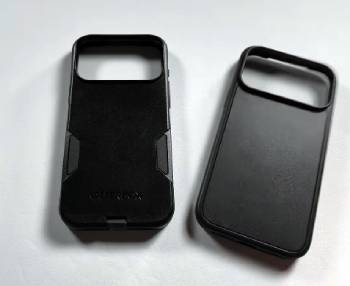
Slimness and style affect how the phone feels in daily carry and how it looks when you pull it out.
I carried both the OtterBox Symmetry and the OtterBox Commuter in the same pockets bags and hands for weeks to judge the real difference.
The Symmetry is noticeably thinner and lighter once it is on the phone.
It preserved more of the original shape and weight distribution.
Sliding the phone into front jeans pockets felt closer to an uncased device.
The edges stayed smoother and the overall package created less bulk under a shirt or jacket.
Color and graphic options are wider on the Symmetry line.
I could choose finishes that matched personal style instead of settling for basic solid colors.
The case still looked intentional rather than purely utilitarian.
The Commuter adds thickness because of its two-layer design.
The extra material is easy to notice when you grip the phone or drop it into a tight pocket.
It still fits most pockets and bags yet requires a bit more effort and creates a more substantial silhouette.
The textured surfaces improve grip which helps during one-handed use.
The look stays functional and rugged rather than fashion-focused.
Analytical scoring of daily carry places the Symmetry ahead for slim comfort and visual variety.
The Commuter wins when bulk is acceptable in exchange for the dual-layer structure and port cover.
Key features of the Symmetry include the co-molded thin profile and broader design selection.
Key features of the Commuter focus on dual-material thickness and practical textured grip.
Real pocket bag and hand testing confirmed the Symmetry disappears more easily during the day.
The Commuter constantly reminds you that strong protection is present.
These differences become most obvious when you switch between the two cases on the same phone and notice how clothing and daily movement feel with each one.
Installation Buttons and Daily Practicality
Installation button feel and daily practicality influence how pleasant the case is to live with.
The Symmetry installs as one piece and comes off with moderate effort.
Buttons stayed clicky and accessible.
Wireless charging and MagSafe accessories worked reliably on the versions I tested.
The Commuter requires aligning the inner and outer layers which takes a bit more time.
Once on it felt very secure and the port cover added peace of mind in dusty environments.
Analytical review of practicality shows the Symmetry as easier for frequent case swaps.
The Commuter rewards the extra installation step with dual-layer security and port protection.
Key features of both include precise cutouts and tactile button covers.
Real daily use confirmed both cases stay functional for months with normal wear.
Pros and Cons Of OtterBox Symmetry
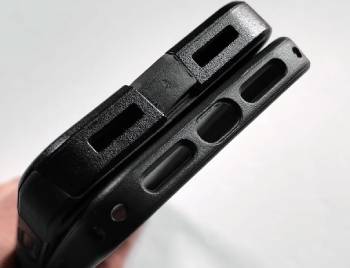
Pros Of OtterBox Symmetry
- Slim Profile: Adds less bulk and preserves more of the phone’s original feel.
- One-Piece Design: Easier to install and remove than dual-layer cases.
- Strong Drop Protection: Meets OtterBox’s high drop standards for everyday accidents.
- Wide Style Options: Available in more colors and graphic designs.
- Good Pocket Fit: Slides into jeans and bags with less resistance.
- Responsive Buttons: Maintains tactile feedback on volume and power controls.
- Raised Edge Protection: Guards the screen and camera from flat surface contact.
- MagSafe Compatibility: Works well with magnetic chargers and accessories on supported models.
- Clean Look: Appears less bulky on the phone.
- Reliable Daily Defense: Handles typical drops bumps and scratches effectively.
The Analytical Cons Of OtterBox Symmetry
- No Port Covers: Charging port remains open to dust and lint.
- Slightly Less Layered Protection: One-piece design may absorb extreme impacts differently than dual-layer cases.
- Higher Price on Some Designs: Graphic or limited editions can cost more.
- Grip Varies by Finish: Some smoother versions feel less secure in wet hands.
- Still Adds Thickness: Not a zero-bulk option.
- Removal Can Require Effort: Fits tightly once installed.
- Less Rugged Appearance: May not satisfy users who want a visibly tough case.
- Wear on Corners Over Time: Shows use with heavy daily carry.
- Model-Specific Fit: Always verify exact phone compatibility.
- Competition from Thinner Cases: Some rivals offer even slimmer profiles with less protection.
Also Read: Comparison Of Otterbox Defender Vs. Defender Xt
Pros and Cons Of OtterBox Commuter
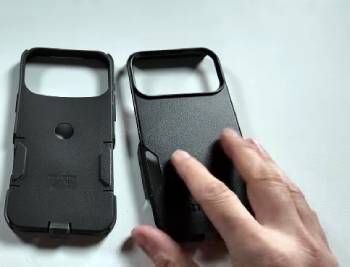
Pros Of OtterBox Commuter
- Dual-Layer Construction: Soft inner and hard outer layers work together for impact absorption.
- Port Cover Included: Helps keep dust and lint out of the charging port.
- Strong Drop Protection: Meets the same high OtterBox drop standards with added layer confidence.
- Secure Grip: Textured surfaces improve hold during daily use.
- Raised Edge Protection: Shields screen and camera from direct contact.
- Durable Everyday Build: Handles commuting bags and frequent handling well.
- Precise Cutouts: Maintains easy access to ports buttons and speakers.
- Reliable Button Feel: Keeps controls responsive under the covers.
- Good Value Protection: Delivers solid defense at a competitive price point.
- Proven Track Record: Long-standing option for users who want extra structure.
The Analytical Cons Of OtterBox Commuter
- Bulkier Profile: Adds more thickness and weight than the Symmetry.
- Two-Piece Installation: Takes longer to put on and take off.
- Fewer Style Options: Generally more limited in colors and designs.
- Less Pocket-Friendly: Can feel tighter in slim jeans or small pockets.
- Utilitarian Look: Prioritizes function over fashion.
- Port Cover Can Interfere: Flap sometimes gets in the way during quick cable insertion.
- Still Not the Most Protective OtterBox: Defender series offers even more coverage.
- Wireless Charging Alignment: Slight extra thickness can require more precise placement on some chargers.
- Shows Wear on Outer Shell: Scratches become visible with heavy use.
- Model Compatibility Checks Needed: Fit varies across phone generations.
Also Read: Comparison Of OtterBox Defender Vs. Defender Pro
Frequently Asked Questions (FAQs)
Yes the Symmetry is protective enough for typical daily drops and bumps while staying relatively slim.
The Defender series is generally the most protective OtterBox line followed by Commuter and then Symmetry.
Yes the Commuter series is worth it for users who want dual-layer protection and a port cover at a reasonable price.
Defender is better for maximum protection and rugged use while Commuter is better for a balance of protection and less bulk.
Final Thoughts
I compared the OtterBox Symmetry and Commuter through real daily carry and drop testing to highlight the differences in slimness protection and practicality.
The main intent remains giving you clear side by side observations on profile style dual-layer defense and everyday handling so you can select the case that fits your priorities.
The Symmetry leads for slim style and easy installation while the Commuter excels at dual-layer protection and port coverage.
You now have the detailed experience to decide which OtterBox belongs on your phone.