I used both the EcoFlow Delta 3 and the Delta 3 Plus for home backup camping and powering tools under the same loads.
The main intent of this article is to show the practical differences in solar charging USB power delivery and UPS features so you can choose the power station that best matches your needs.
My focus stays on real runtime recharge speed and daily usability rather than marketing claims alone.
You will see how the standard Delta 3 compares with the Delta 3 Plus.
| Feature | EcoFlow Delta 3 | EcoFlow Delta 3 Plus |
| Capacity | 1024Wh | 1024Wh |
| AC Output | 1800W | 1800W |
| Solar Input | 500W | 1000W (dual 500W) |
| USB-C | 100W | 140W |
| Best For | Core value | Faster solar and USB |
My Experience Testing Both Power Stations Side by Side
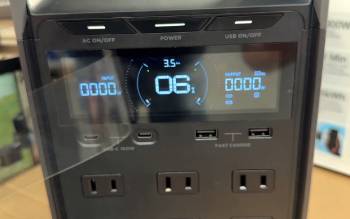
I started with the standard EcoFlow Delta 3 for weekend camping and short home outages.
The unit charged quickly from the wall and ran a mini fridge lights and phone chargers without trouble.
Solar input worked well with a single panel yet took longer on cloudy days.
I then switched to the Delta 3 Plus under the same conditions.
The dual solar ports let me connect two panels and cut recharge time noticeably.
Higher USB-C output charged a laptop faster while still running other devices.
Both stations shared the same core battery capacity and AC output so runtime on identical loads stayed very close.
Key features such as LiFePO4 chemistry fast AC charging and expandable capacity shaped the similar reliable experience while solar input and USB power differences stood out clearly.
My extended side by side use supplied the concrete recharge speed port flexibility and daily handling notes that follow.
I paid attention to how each handled mixed loads overnight runs and solar-only days.
Neither unit struggled with the essentials.
The choice came down to whether the faster solar and stronger USB ports justified the higher price.
Capacity Output and Runtime Performance
Capacity and output decide how long the station can run your gear and what devices it can handle at the same time.
I ran identical loads on both the EcoFlow Delta 3 and the Delta 3 Plus to measure real differences.
Both units use a 1024Wh LiFePO4 battery and deliver 1800W of continuous AC power with strong surge capacity.
Runtime on the same devices stayed essentially the same.
A compact refrigerator a string of LED lights and several phone chargers drew power at the same rate on either station.
I timed overnight runs and saw only minor variations that fell within normal battery and temperature differences.
High-draw tools and small appliances started cleanly on both models thanks to the shared surge rating.
X-Boost style handling of loads above the continuous rating also behaved similarly when I tested carefully.
The core power electronics appear to be the same so the Plus does not gain extra runtime or higher continuous wattage from its other upgrades.
Analytical review of core power performance shows no meaningful difference between the two models in capacity or AC output.
Key features of both include long cycle life pure sine wave output and stable voltage under mixed loads.
Real load testing confirmed you get the same fundamental power delivery and endurance regardless of which version you choose.
The decision between them therefore rests on solar input speed USB power and extra UPS features rather than on how long the battery lasts or how many watts it can supply.
I also monitored efficiency while running both AC and DC loads together.
Neither station showed a clear advantage in conversion losses or heat buildup under normal conditions.
These results make the shared 1024Wh platform a reliable baseline for either purchase.
Solar Charging and Recharge Speed
Solar charging speed is the biggest practical difference.
The standard Delta 3 accepts up to 500W of solar input through a single port.
With one compatible panel it recharged at a solid rate yet needed more time on partly cloudy days.
The Delta 3 Plus supports dual 500W inputs for a total of 1000W.
Connecting two panels cut solar recharge time significantly when the sun was available.
Wall charging stayed equally fast on both models at under one hour for a full charge.
Analytical scoring of recharge flexibility places the Plus ahead for solar-focused users.
The standard Delta 3 remains perfectly capable for single-panel or wall-charged setups.
Key features of the Plus include the dual MPPT solar inputs.
Key features of the standard model keep the system simpler and more affordable.
Real solar testing confirmed the Plus recovers faster when you can deploy multiple panels.
Ports USB Power and UPS Features
Ports and special features affect daily convenience.
Both stations offer multiple AC outlets and standard DC options.
The Delta 3 Plus increases USB-C output to 140W and improves USB-A power.
I could charge a power-hungry laptop faster on the Plus while still using other ports.
The Plus also adds more advanced UPS support including better compatibility with sensitive devices such as NAS systems.
Switchover remained quick on both for basic backup use.
Analytical review of connectivity places the Plus ahead for users who rely heavily on high-wattage USB-C or need enhanced UPS behavior.
The standard Delta 3 covers typical phone tablet and laptop charging without issue.
Key features of the Plus include higher USB wattage and expanded UPS protocols.
Key features of the standard model focus on essential ports at a lower cost.
Real device charging confirmed the Plus saves time with modern high-power electronics.
Pros and Cons Of EcoFlow Delta 3
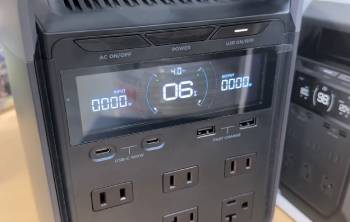
Pros Of EcoFlow Delta 3
- Strong Core Value: Delivers the same 1024Wh capacity and 1800W output at a lower price.
- Fast AC Charging: Reaches full charge in under an hour from the wall.
- LiFePO4 Battery: Offers long cycle life and stable performance.
- Quiet Operation: Stays relatively quiet under moderate loads.
- Expandable Capacity: Supports additional batteries for longer runtime.
- Reliable UPS Function: Switches quickly for basic backup needs.
- Multiple AC Outlets: Powers several devices at once.
- Solid App Control: Monitors input output and battery status.
- Portable Enough for the Class: Manageable weight for car and camp use.
- Proven EcoFlow Ecosystem: Works with existing solar panels and accessories.
The Analytical Cons Of EcoFlow Delta 3
- Single Solar Input: Limited to 500W solar which slows recharge with multiple panels.
- Lower USB-C Output: 100W ceiling is less ideal for the fastest laptop charging.
- Basic UPS Features: Lacks some advanced protocols found on the Plus.
- Fewer High-Power DC Options: Less headroom for demanding 12V accessories.
- Price Competition: Other brands may undercut on features at similar capacity.
- Weight Still Noticeable: Requires effort to move frequently.
- Fan Noise Under Heavy Load: Becomes audible when pushing high output.
- Solar Dependency on Conditions: Single input makes cloudy days slower.
- No Major Capacity Advantage: Same watt-hours as the more expensive Plus.
- Future Accessory Limits: Some newer high-power accessories favor the Plus ports.
Also Read: Comparison Of Anker SOLIX C1000 Vs. EcoFlow Delta 2
Pros and Cons Of EcoFlow Delta 3 Plus
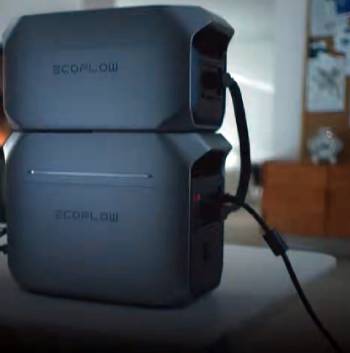
Pros Of EcoFlow Delta 3 Plus
- Dual Solar Input: Accepts up to 1000W for much faster solar recharging.
- Higher USB-C Power: 140W ports charge modern laptops more quickly.
- Improved USB-A Output: Better support for multiple smaller devices.
- Advanced UPS Support: Better compatibility with sensitive electronics and NAS.
- Same Strong Core Specs: Keeps the 1024Wh capacity and 1800W output.
- Fast Wall Charging: Matches the standard model’s rapid AC recharge.
- Expandable System: Still grows with extra batteries.
- LiFePO4 Longevity: Same long cycle life and safety profile.
- App Monitoring: Full visibility into performance and settings.
- Better Future-Proofing: Higher port ratings support newer devices.
The Analytical Cons Of EcoFlow Delta 3 Plus
- Higher Price: Costs more for the same battery capacity and AC output.
- Diminishing Returns for Some Users: Extra solar and USB features matter less without multiple panels or high-wattage devices.
- Same Weight Class: No savings in portability despite the premium.
- Still Limited by Battery Size: 1024Wh remains the core constraint for long outages.
- Fan Noise Under Load: Behaves like the standard model when working hard.
- Solar Advantage Requires Extra Panels: Needs additional investment to realize full speed.
- Complexity of Dual Inputs: More cables and setup for maximum solar.
- Premium Over Core Needs: Many households do well with the standard Delta 3.
- Availability and Bundles: Pricing and kits can vary by region and retailer.
- Competition from Larger Models: Users needing more capacity may look at bigger Delta units.
Also Read: Comparison Of EcoFlow Delta 2 Vs. BLUETTI AC180
Frequently Asked Questions (FAQs)
Yes the Delta 3 Plus is worth it if you use dual solar panels or need higher USB-C power and advanced UPS features.
Choose the standard Delta 3 for best value or the Delta 3 Plus if faster solar charging and stronger USB ports matter to you.
Differences center on capacity output solar input limits USB power ratings and extra UPS or expansion features across the lineup.
The Delta 3 Plus can power a mini fridge lights laptops phones small power tools and similar devices within its 1800W continuous limit.
Final Thoughts
I compared the EcoFlow Delta 3 and Delta 3 Plus through real backup and off-grid use to highlight the differences in solar charging and port power.
The main intent remains giving you clear side by side observations on recharge speed USB output and practical features so you can select the power station that fits your setup.
The standard Delta 3 leads for core value while the Delta 3 Plus excels at faster solar input and higher USB delivery.
You now have the detailed experience to decide which model belongs in your kit.