I used both the Yoto Mini and the full-size Yoto Player with my kids for bedtime stories car rides quiet playtime and travel under the same conditions.
The main intent of this article is to show the practical differences in size sound quality battery life features and everyday handling so you can choose the audio player that best matches your family’s routine.
My focus stays on real portability volume nighttime usefulness and shared card compatibility rather than marketing claims alone.
You will see how the compact Yoto Mini compares with the standard Yoto Player.
| Feature | Yoto Mini | Yoto Player |
| Size | Very compact | Larger cube |
| Battery Life | Up to 14 hours | Up to 24 hours |
| Sound | Mono good for size | Stronger stereo |
| Night Light | No | Yes |
| Display | Smaller pixel screen | Larger pixel screen |
| Best For | Travel and small hands | Home base and features |
My Experience Testing Both Players Side by Side
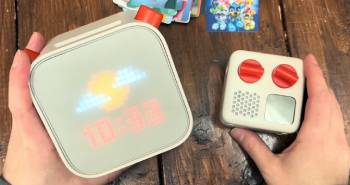
I started with the full-size Yoto Player in the kids’ bedroom as our main story device.
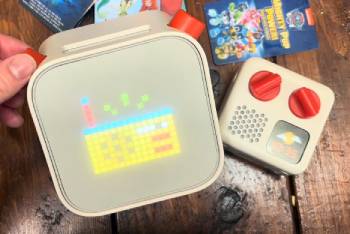
The larger pixel screen showed story icons clearly even from across the room.
The night light function quickly became part of our bedtime routine and the stronger speaker filled the space for shared listening.
I then introduced the Yoto Mini for car trips backpacks and independent play.
The smaller size fit easily in little hands and slipped into side pockets without adding bulk.
Battery life covered full days out even though it fell short of the bigger model.
Both players accepted the exact same physical cards and connected to the same parental app without any compatibility issues.
Key features such as screen-free storytelling physical cards simple knob controls and Bluetooth speaker mode shaped the similar kid-friendly experience while size volume battery life and extra home features stood out clearly.
My extended side by side use supplied the concrete portability sound and daily routine notes that follow.
I paid attention to how each handled solo listening shared stories overnight use and travel days.
Neither player required complicated setup or constant parental help once the kids learned the knobs.
The choice came down to whether we needed maximum portability or preferred the fuller feature set for home use.
After several weeks the Mini became the travel and independent-play champion while the full-size Player stayed the reliable bedroom base.
Size Portability and Kid Handling
Size and portability decide how often the player actually gets used outside the house and how independently kids can manage it.
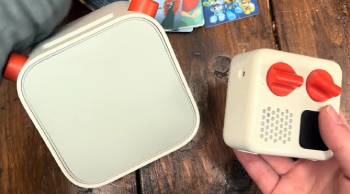
The Yoto Mini is significantly smaller and lighter.
My kids could carry it themselves without help and it fit in cup holders small bags and even larger coat pockets.
The compact body made it feel less fragile during normal kid handling.
The full-size Yoto Player feels more substantial and stays put on a nightstand shelf or dresser.
It works better as a permanent bedroom or playroom device that does not move much.
Analytical review of daily handling places the Mini ahead for travel independent use and younger children who want to carry their own stories.
The larger Player wins when the device mostly stays in one room and serves as a shared family unit.
Key features of the Mini include the reduced dimensions light weight and travel-friendly shape.
Key features of the Player focus on a stable home presence larger display and more commanding physical presence.
Real family testing confirmed the Mini gets taken more places and sees more independent use while the Player becomes the reliable home base that everyone returns to at night.
I also noticed that the Mini encouraged more spontaneous listening because it was always easy to grab.
The larger Player encouraged longer settled sessions in one location.
Sound Quality Battery Life and Listening Experience
Sound quality and battery life affect how satisfying longer listening sessions feel for both solo and shared use.
The Yoto Player produces stronger fuller sound with better volume and a more stereo-like presence.
It filled the bedroom easily for two or three kids listening together.
The Mini still sounds clear and pleasant for its size yet stays quieter and more mono.
It worked well for personal listening or quiet car use but needed higher volume settings in larger rooms.
Battery life favored the larger Player with up to 24 hours versus around 14 hours on the Mini under similar volume levels.
Both lasted through typical daily use and bedtime routines without constant charging.
Analytical scoring of listening experience places the Player ahead for room-filling audio and longer endurance.
The Mini remains perfectly usable for personal travel and shorter sessions.
Key features of both include Bluetooth speaker mode headphone jacks and consistent card playback.
Real multi-day testing confirmed either player supports screen-free stories with the larger model offering more power and fewer charge cycles.
I tracked volume needs across different environments and found the Player required less adjustment when moving from quiet to louder background noise.
The Mini performed best in controlled or close-listening situations.
Features Display and Nighttime Use
Features and nighttime usefulness influence how well the player fits into daily family routines and bedtime habits.
The Yoto Player includes a night light and room temperature display that the Mini lacks.
These extras made the larger model more useful after lights out and gave us one less device on the nightstand.
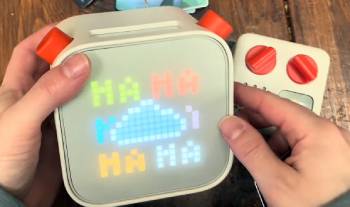
The pixel screen on the Player is also larger and easier to read from a distance which helped when kids wanted to choose stories independently in low light.
Both support the same content library make-your-own cards and parental controls through the app.
Analytical review of features places the Player ahead for bedroom and multi-purpose home use.
The Mini keeps things simpler and more focused on portable audio without extra functions.
Key features of the Player include the night light thermometer bigger display and longer battery.
Key features of the Mini focus on reduced size lower price and easy transport.
Real evening testing confirmed the Player integrates better into bedtime routines while the Mini shines during the day on the go and in situations where small size matters most.
I also appreciated that both devices stayed screen-free in the traditional sense which supported our goal of reducing video time.
The physical cards remained equally engaging on either player.
Pros and Cons Of Yoto Mini
Pros Of Yoto Mini
- Highly Portable: Small light body fits in bags backpacks and little hands easily.
- Lower Price: Costs less than the full-size Player while delivering the core experience.
- Same Card Compatibility: Works with every official and make-your-own Yoto card.
- Kid-Friendly Controls: Simple knobs keep operation independent for young users.
- Good Travel Battery: Lasts through full days out for most family schedules.
- Screen-Free Storytelling: Encourages listening without video distraction.
- Bluetooth Speaker Mode: Can play audio from a phone when needed.
- Headphone Support: Allows quiet independent listening in shared spaces.
- Durable Enough for Kids: Handles normal drops and daily carry.
- Easy to Pack: Takes minimal space on trips or in the car.
The Analytical Cons Of Yoto Mini
- Quieter Sound: Lacks the volume and fullness of the larger Player.
- Shorter Battery Life: Needs more frequent charging than the full-size model.
- No Night Light: Misses a useful bedtime and overnight feature.
- Smaller Display: Pixel screen is harder to read from across the room.
- Mono Audio: Less immersive for music or shared listening sessions.
- Fewer Home Extras: Omits temperature display and some convenience features.
- Less Ideal as Main Bedroom Device: Better as a secondary or travel player.
- Volume Limits in Larger Rooms: Struggles to fill bigger spaces effectively.
- Accessory Dependence for Protection: Benefits from a case for heavy travel use.
- Feature Trade-Off for Size: Sacrifices some capabilities to stay compact.
Also Read: My Experience With KaYoTom Walkie Talkie
Pros and Cons Of Yoto Player
Pros Of Yoto Player
- Stronger Sound Output: Fills a room more effectively for shared listening.
- Longer Battery Life: Lasts up to 24 hours on a single charge.
- Night Light Function: Useful for bedtime routines and overnight comfort.
- Larger Pixel Display: Easier to see icons and information from a distance.
- Room Temperature Display: Adds a practical home monitoring touch.
- Same Card System: Fully compatible with all Yoto content.
- Stable Home Presence: Sits securely on a nightstand or shelf.
- Better for Group Listening: Handles multiple kids in one room more easily.
- Bluetooth and Headphone Options: Flexible for different listening situations.
- More Complete Feature Set: Feels like a fuller bedroom and playroom device.
The Analytical Cons Of Yoto Player
- Larger and Heavier: Less convenient for travel and small hands.
- Higher Price: Costs more than the Mini for the extra features.
- Less Portable: Stays home more often than the compact version.
- Bulkier for Packing: Takes more space in bags and suitcases.
- Overkill for Pure Travel Use: Extra features matter less on the go.
- Night Light Not Essential for Every Family: Some households rarely use it.
- Still Requires Card Management: Physical cards need storage and organization.
- Display is Pixelated by Design: Not a high-resolution screen.
- Charging Cable Management: Needs regular access to power like the Mini.
- Competition from the Mini for Value: Many families find the smaller model sufficient.
Also Read: My Experience With My Emergency Radio
Frequently Asked Questions (FAQs)
The Player is larger with better sound longer battery a night light and temperature display while the Mini is smaller lighter cheaper and more portable.
No 7 is not too old. Many children continue using Yoto players well into older elementary years for stories music and podcasts.
Yes both players use the exact same Yoto cards and make-your-own cards.
Yes the Yoto Mini is worth the money for families who want a portable screen-free audio option at a lower price.
Final Thoughts
I compared the Yoto Mini and Yoto Player through real daily bedtime and travel use to highlight the differences in size sound and features.
The main intent remains giving you clear side by side observations on portability volume nighttime usefulness and overall value so you can select the player that fits your family.
The Yoto Mini leads for travel small hands and lower cost while the full-size Yoto Player excels as a feature-rich home base with better sound longer battery and night light.
You now have the detailed experience to decide which Yoto belongs in your home or bag.