I conditioned the same leather boots bags and furniture pieces with both Leather Honey and Bick 4 under identical conditions.
The main intent of this article is to show the practical differences in penetration darkening absorption and everyday results so you can choose the conditioner that best matches your leather and care routine.
My focus stays on real softness color change residue and long-term flexibility rather than marketing claims alone.
You will see how Leather Honey compares with Bick 4.
| Feature | Leather Honey | Bick 4 |
| Consistency | Thick honey-like | Thin lotion-like |
| Darkening | Noticeable on dry leather | None to minimal |
| Penetration | Deep | Surface to moderate |
| Best For | Dry neglected leather | Regular maintenance no color change |
| Application Frequency | Every 6 months or longer | More frequent |
My Experience Testing Both Conditioners Side by Side
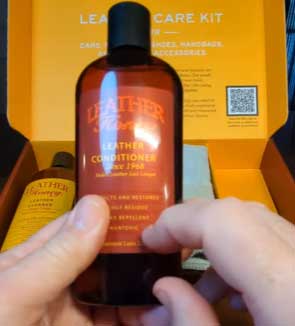
I started with Leather Honey on a pair of dry work boots and an older leather bag.
The thick formula needed time to work into the surface.
After several hours the leather felt noticeably softer and more flexible.
Color deepened slightly especially on lighter areas.
I then applied Bick 4 to matching sections and similar items.
The thin lotion spread easily and absorbed faster with almost no waiting.
Softness improved without any visible darkening.
Both products left the leather more pliable than untreated sections.
Key features such as solvent-free formulas and focus on conditioning without heavy wax shaped the similar care experience while depth of penetration and color impact differences stood out clearly.
My extended side by side testing supplied the concrete absorption finish and practicality notes that follow.
I paid attention to how each handled cracked areas high-wear zones and repeated light use.
Neither conditioner left a greasy mess when applied in proper amounts.
The choice came down to whether deep restoration or color-safe maintenance mattered more.
Penetration Softness and Conditioning Strength
Penetration and conditioning strength decide how well dry leather recovers.
Leather Honey sinks deeply into the fibers and restores flexibility from within.
Stiff or neglected pieces responded with a clear improvement in bend and feel after one treatment.
The effect lasted through months of normal use before another application felt necessary.
Bick 4 works more on the surface and near-surface layers.
It softens leather effectively for regular upkeep yet does not transform severely dried items as dramatically.
Analytical review of conditioning power places Leather Honey ahead for restoration and Bick 4 ahead for light ongoing care.
Key features of Leather Honey include deep-reaching oils that revive dry fibers.
Key features of Bick 4 focus on mild balanced moisturizers that maintain existing condition.
Real testing confirmed Leather Honey brings neglected leather back to life while Bick 4 keeps healthy leather supple.
Also Read: My Experience With Leather Honey Leather Conditioner
Color Change Finish and Residue
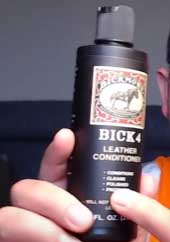
Color change finish and residue decide how the leather looks and feels after the conditioner has done its work.
I applied both Leather Honey and Bick 4 to matching sections of boots bags and furniture to judge real visual and tactile results.
Leather Honey often produced a noticeable darkening especially on lighter or previously dry leather.
The color shift enriched the tone and gave the material a deeper more uniform appearance.
On darker pieces the change stayed subtle yet still present.
Finish settled into a soft natural look with very little added shine once fully absorbed.
Residue risk rose only when I applied too much product.
In those cases the surface stayed slightly tacky until extra buffing and time allowed full absorption.
Proper thin coats avoided that issue completely.
Bick 4 left the original color completely unchanged on every item I tested.
Light leather stayed light and dark leather kept its exact shade.
The finish dried to a clean matte-to-satin feel that looked untreated yet felt more supple.
Residue was essentially nonexistent when I followed normal application amounts.
The surface never felt oily or sticky after a short dry time.
Analytical scoring of appearance control places Bick 4 clearly ahead for color-critical pieces.
Leather Honey leads when a richer deeper tone is welcome or when restoration matters more than exact shade matching.
Key features of Leather Honey include the natural darkening that accompanies deep conditioning.
Key features of Bick 4 emphasize zero color shift and a residue-free dry finish.
Real side-by-side observation confirmed the darkening difference is the most immediate visual distinction between the two products.
These color finish and residue traits become obvious after the first treatment and help match the right conditioner to whether you need restoration with character or precise color-safe maintenance.
Ease of Use Value and Everyday Practicality
Ease of use and value influence how often you actually condition your leather.
Bick 4 spreads quickly like a lotion and requires little dwell time before buffing.
It suits frequent light applications on shoes furniture or car interiors.
Leather Honey demands more patience.
The thick consistency needs thorough working in and longer absorption time yet one treatment lasts longer.
Both products offer solid value with Leather Honey stretching further between uses and Bick 4 costing less per frequent application.
Analytical review of practicality places Bick 4 ahead for speed and convenience while Leather Honey wins for fewer total treatments.
Key features of both include simple wipe-on application and long shelf life.
Real multi-month use confirmed either conditioner supports healthy leather when matched to the right need.
Pros and Cons Of Leather Honey
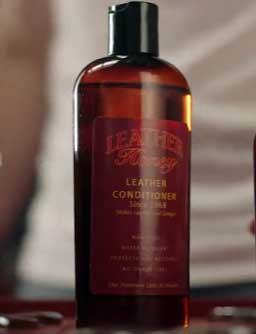
Pros Of Leather Honey
- Deep Penetration: Reaches into dry fibers for true restoration.
- Long-Lasting Results: One application often lasts six months or more.
- Excellent for Neglected Leather: Revives stiff cracked or dried pieces.
- Water Resistance Boost: Adds a degree of repellency after absorption.
- Natural Softness: Leaves leather flexible without heavy coating.
- Simple Ingredient Focus: Avoids silicones and unnecessary fillers.
- Good Value Over Time: Fewer applications reduce long-term effort.
- Made for Real Use: Performs on boots bags and furniture alike.
- Noticeable Improvement: Clear difference on dry leather after one treatment.
- Reliable Consistency: Thick formula stays stable in the bottle.
The Analytical Cons Of Leather Honey
- Darkens Leather: Can shift color especially on lighter or dry items.
- Slow Absorption: Requires hours of dwell time before full results.
- Thick Consistency: Harder to spread evenly on large surfaces.
- Residue Risk if Overapplied: Can feel tacky until fully absorbed.
- Not Ideal for Color-Critical Pieces: Avoid on items that must stay exact shade.
- Messier Application: Needs more careful wiping and buffing.
- Longer Process: Not suited for quick maintenance sessions.
- Scent Neutral but Heavy Feel: Some users dislike the initial thickness.
- Overkill for New Leather: Stronger than needed for already soft items.
- Patience Required: Results reward waiting rather than speed.
Pros and Cons Of Bick 4
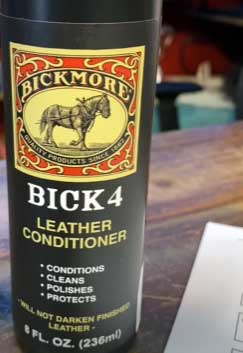
Pros Of Bick 4
- No Darkening: Preserves original leather color completely.
- Fast Absorption: Spreads and dries quickly for convenient use.
- Residue-Free Finish: Leaves a clean natural feel.
- Easy Application: Lotion-like texture works on any size surface.
- Ideal for Regular Maintenance: Supports frequent light conditioning.
- Safe for Light Leather: Perfect when color shift is unacceptable.
- Mild Formula: Gentle enough for ongoing care without buildup.
- Good Softening Effect: Keeps healthy leather supple.
- Affordable and Accessible: Solid performance at a fair price.
- Versatile Use: Works on shoes bags furniture and more.
The Analytical Cons Of Bick 4
- Shallower Penetration: Less effective on severely dry or cracked leather.
- More Frequent Application: Needs reapplication sooner than deep conditioners.
- Limited Restoration Power: Does not revive neglected pieces as strongly.
- Minimal Water Resistance: Offers little added repellency.
- Low Shine: Finish stays matte rather than enriched.
- Surface-Focused: Conditions the outer layers more than deep fibers.
- Less Dramatic Results: Improvement feels subtle on very dry items.
- Not a Heavy-Duty Option: Better as maintenance than rescue treatment.
- Can Feel Light: Some users prefer a richer conditioning feel.
- Requires Consistency: Best results come from regular rather than rare use.
Also Read: My Experience With Bick 4 Leather Conditioner
Frequently Asked Questions (FAQs)
Bick 4 is a light non-darkening lotion for regular maintenance while Leather Honey is a thick deep-penetrating conditioner that restores dry leather and may darken it slightly.
Yes Bick 4 is good for leather especially when you want safe color-neutral conditioning and easy frequent use.
The best conditioner depends on need. Leather Honey ranks high for restoration while Bick 4 ranks high for no-darkening maintenance.
Leather Honey generally offers deeper conditioning for dry leather while Leather CPR focuses on cleaner lighter maintenance. Choice depends on the leather’s condition.
Final Thoughts
I compared Leather Honey and Bick 4 through real conditioning sessions on boots bags and furniture to highlight the differences in penetration color impact and practicality.
The main intent remains giving you clear side by side observations on softness darkening and long-term care so you can select the conditioner that fits your leather and routine.
Leather Honey leads for deep restoration of dry pieces while Bick 4 excels at fast color-safe maintenance.
You now have the detailed experience to decide which product belongs in your leather care kit.