I tested the JBL Charge 6 and JBL Xtreme 4 across beaches, backyard gatherings, indoor sessions, and daily carry to find clear differences.
My intent is to give you a real-user breakdown of size, sound, battery, durability, and everyday practicality so you can choose the right speaker without second-guessing.
| Feature | JBL Charge 6 | JBL Xtreme 4 |
| Weight | Around 960 g | 2.1 kg |
| Power | About 40-45 W RMS | 70 W on battery / 100 W plugged in |
| Sound | Mono | Stereo |
| Battery | Up to 24 hours (28 with Playtime Boost) | Up to 24 hours (30 with Playtime Boost) |
| Waterproof | IP68 | IP67 |
| Bluetooth | 5.4 | 5.3 |
| Best use | Daily carry and small groups | Parties and larger spaces |
Real Experience With Both Speakers
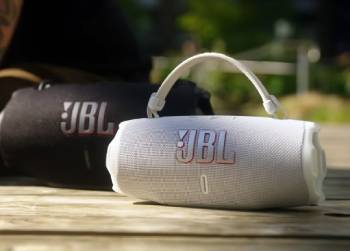
I started every test day by grabbing the Charge 6 first because it simply felt easier.
The weight sits under one kilogram so it drops into a backpack or hangs from the strap without effort.
I took it on a morning walk, set it on a kitchen counter while cooking, and later placed it near the pool edge.
The IP68 rating let me stop worrying about splashes or sudden rain.
Sound stayed clear and energetic for its size.
Bass had enough punch for pop and hip-hop tracks yet never overwhelmed the midrange.
I played the same playlist on moderate volume for hours and the battery still had plenty left at the end of the day.
The powerbank function charged my phone once when I needed a quick top-up.
Switching to the Xtreme 4 changed the whole feel of the session.
It is more than twice as heavy and needs the shoulder strap for anything longer than a short move.
Once it was in place the dual drivers and larger body delivered a wider stereo image and stronger low end.
I put both speakers in the same backyard and played identical tracks at matching volume levels.
The Xtreme 4 filled the space with more authority and deeper bass impact.
When I plugged it into wall power the extra headroom became obvious.
The IP67 rating handled poolside use and light rain without trouble, though the Charge 6 still edges it for full water confidence.
Both speakers linked easily with other JBL units through PartyBoost and Auracast.
The Xtreme 4 strap includes a bottle opener that actually proved useful at a picnic.
After several weeks of alternating between the two I noticed clear patterns in how I used them.
The Charge 6 became the speaker I reached for without thinking.
It lived in the bag, on the desk, and by the window.
The Xtreme 4 stayed ready for planned gatherings where more volume and presence mattered.
Sound character differed more than the specs alone suggest.
The Charge 6 kept a tighter and more balanced profile that worked well for mixed listening and longer sessions.
The Xtreme 4 leaned into scale and impact, rewarding bass-heavy tracks and open outdoor spaces.
At lower volumes both sounded clean.
Push the volume higher outdoors and the Xtreme 4 held composure longer.
Sound Performance in Real Environments
I tested both speakers in the exact same rooms and outdoor spots so the differences would stand out clearly.
The Charge 6 delivers a tight and focused sound that works well for everyday listening.
Vocals stay clear and the midrange feels natural.
Bass has enough weight for most tracks yet never becomes loose or muddy.
In a living room the Charge 6 fills the space comfortably without needing high volume.
On a patio with a few friends it still holds its own.
When I moved to a larger backyard the limits became obvious.
The mono design and smaller drivers simply cannot push air the same way a bigger stereo speaker can.
The Xtreme 4 changed the experience the moment I switched.
Stereo separation created a wider stage that made instruments and voices feel more separated.
Bass landed with real impact and stayed controlled even when I turned the volume up.
In open outdoor spaces the extra power and dual woofers made a clear difference.
Music felt fuller and more engaging for a group.
I played the same bass-heavy tracks on both and the Xtreme 4 consistently delivered deeper and tighter low end.
At moderate levels both speakers sounded clean.
Push them harder and the Xtreme 4 stayed composed longer while the Charge 6 began to lose some control.
Indoors the Charge 6 often felt like the smarter choice because its balanced profile avoided overpowering a smaller room.
Outdoors the Xtreme 4 became the better tool when I wanted the music to reach farther and hit harder.
AI Sound Boost on both models helped optimize the output in real time.
I noticed the feature worked well but the physical size and driver count still set the ceiling for each speaker.
After weeks of side-by-side listening I learned that the Charge 6 rewards careful placement and moderate volumes.
The Xtreme 4 rewards open space and higher playback levels.
Your listening environment matters more than the marketing numbers.
If you mostly play music in rooms or small outdoor areas the Charge 6 will satisfy you.
If you regularly host larger gatherings the Xtreme 4 gives you the scale the smaller speaker cannot match.
Portability Versus Power Trade-Off
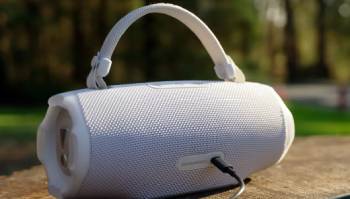
Carrying the speakers around revealed the biggest practical difference between them.
The Charge 6 feels designed for movement.
At under one kilogram it slips into a backpack or hangs from the strap without adding noticeable weight.
I took it on walks, to the park, and even on short hikes.
It never felt like a burden.
The compact shape also made it easy to place on small tables, window sills, or the edge of a picnic blanket.
I could grab it with one hand and move rooms without thinking.
That convenience changed how often I actually used the speaker.
The Xtreme 4 told a different story.
At 2.1 kilograms it needs the shoulder strap for any distance longer than a few steps.
I used the strap for beach days and backyard setups and it worked fine.
Still, I thought twice before bringing it on spontaneous outings.
The larger body also needed more space in the car and more planning for storage at home.
Power is the trade-off that justifies the extra bulk for many people.
When I wanted louder volume and deeper bass the Xtreme 4 delivered.
The Charge 6 simply could not match that presence in bigger spaces.
I found myself choosing based on the plan for the day.
Solo listening or small gatherings pulled me toward the Charge 6 every time.
Planned parties or open outdoor sessions made the Xtreme 4 the clear pick.
Battery life stayed strong on both so runtime was rarely the deciding factor.
The real decision came down to how much size and weight I was willing to accept for the extra output.
If you move the speaker often and value grab-and-go convenience the Charge 6 wins.
If you set the speaker up and leave it in place for longer sessions the Xtreme 4 makes more sense.
Most people will use one more than the other based on their actual habits.
Think about where and how you listen most often.
That honest look at your routine will point you to the better match.
Also Read: My Thoughts On JBL Quantum 100
Pros and Cons of the JBL Charge 6
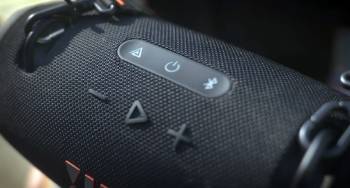
Pros of the JBL Charge 6
- Compact Size and Low Weight: Easy one-hand carry and fits in bags without effort for true daily portability.
- IP68 Waterproof Rating: Full dust and water protection including submersion confidence near pools or rain.
- Strong Battery Life: Up to 24 hours normal use and 28 hours with Playtime Boost for full-day listening.
- Powerbank Function: Charges phones and devices directly from the speaker when outlets are unavailable.
- Balanced Clear Sound: Tight and natural audio that works well for mixed music and small groups.
- Bluetooth 5.4 and Auracast: Modern connectivity with easy multi-speaker linking.
- Rugged Everyday Build: Tough fabric and rubber ends that handle real outdoor conditions.
- Space-Friendly Design: Sits cleanly on desks, shelves, or counters without dominating the area.
- Good Value Pricing: Usually costs less than the Xtreme 4 while covering most daily needs.
- Effortless Grab-and-Go Use: Becomes the speaker you reach for without thinking twice.
Cons of the JBL Charge 6
- Limited Maximum Volume: Struggles to fill larger open spaces or bigger gatherings.
- Weaker Bass Depth: Cannot match the physical low-end impact of dual-woofer speakers.
- Mono Output Only: Lacks left-right stereo separation that some listeners prefer.
- Playtime Boost Trade-Off: Extra battery hours come by cutting bass response.
- Smaller Driver Limits: Physical size restricts how hard it can push outdoor volume.
- Less Party Presence: Feels constrained when expectations shift to event-level sound.
- Lighter Build Feel: Can seem less substantial next to heavier high-output models.
Pros and Cons of the JBL Xtreme 4
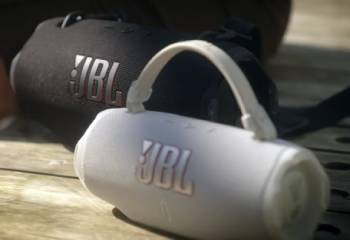
Pros of the JBL Xtreme 4
- True Stereo Drivers: Dual woofers and tweeters create wider soundstage and better separation.
- Higher Power Output: 70 W on battery and 100 W when plugged in for stronger volume.
- Deeper Stronger Bass: Larger enclosure and dual drivers deliver more impactful low end.
- Party-Ready Volume: Fills backyards and larger spaces with authority.
- Useful Shoulder Strap: Makes the heavier body manageable for longer carries.
- Solid IP67 Protection: Handles rain, splashes, and dusty conditions reliably.
- Matching Battery Life: Up to 24 hours normal and 30 hours with Playtime Boost.
- Powerbank and USB-C: Convenient device charging and modern connections.
- Easy Multi-Speaker Linking: PartyBoost and Auracast work smoothly with other JBL units.
- Bottle Opener on Strap: Small practical touch that proves useful at outdoor gatherings.
Cons of the JBL Xtreme 4
- Heavy 2.1 kg Weight: Far less convenient for everyday carry or spontaneous outings.
- Bulkier Size: Needs more storage space and planning than the compact Charge 6.
- Lower IP Rating: IP67 is strong but falls short of the Charge 6’s full IP68 submersion protection.
- Higher Price Point: Costs noticeably more than the Charge 6 for many buyers.
- Overkill for Daily Use: Extra power and bass often unnecessary for personal or small-group listening.
- Harder Placement: Larger body is less flexible on small tables or shelves.
- Less Grab-and-Go Friendly: You think twice before taking it on short trips or walks.
Also Read: Comparison Of JBL Flip 6 Vs. Bose SoundLink Flex
Frequently Asked Questions (FAQs)
It depends on your needs. The Charge 6 wins for daily portability while the Xtreme 4 wins for louder stereo sound and parties.
Yes. The Xtreme 4 produces higher maximum volume and stronger bass than both the Charge 5 and Charge 6.
For pure portability and balanced daily use the Charge 6 remains hard to beat. Larger models like the Xtreme 4 or Boombox series offer more power if that is your priority.
It is one of the best compact portable speakers for most people, especially if you value size, battery, and water protection over maximum volume.
Final Thoughts
I keep both speakers because they serve different moments.
You will love the Charge 6 if you want something you can grab and go every day.
You will prefer the Xtreme 4 if you regularly host gatherings and want bigger stereo sound.
Choose the one that matches how you actually listen and you will stay happy with the decision.