Fishing becomes a lot easier with the use of a transducer. You can quickly identify and see the available fish around you with a high-quality transducer.
Two neck and neck choices are GT54 vs. GT56 transducer. The main difference you see between these two is the frequency imaging of the transducers. GT56 has a better frequency range than GT54.
Some other factors get into play and make them unique in their usage. That’s what I will portray below with an in-depth comparison. So, stick to the end to find out more about the transducers.
A Quick Comparison Table
| Specifications | GT54 Transducer | GT56 Transducer |
| Usable range | Lower | Higher |
| Frequency Imaging | Decent | Better |
| Power | 350w | 500w |
| Price | Lower | Higher |
Key Differences Between GT54 And GT56 Transducer
- Usable Range
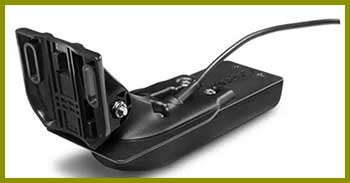
The significant difference between the two transducers is the usable range.
The results and effects you get from the two options are pretty substantial.
With the GT56 transducer, you won’t have any trouble fishing, even if you do it in more than 75′ water.
You will still end up with images that can give you the desired results you want from the transducer.
On the other hand, GT54 isn’t capable of doing that. However, if you don’t have to use the transducer for such shallow water, then GT54 is still a viable option for you.
So, it’s straightforward to pick one here. If you plan to fish in an area with a 75′ water depth, then GT56 is your only choice. Otherwise, you can go with either one of them.
Also Read: Is Garmin Echomap UHD 73cv Ice Fishing Bundle Worth It?
- Frequency Imaging
The next big difference is the imaging. The quality of imaging, as well as the frequency, is very much different from the two transducers.
In the GT56, you will get better imaging quality and three different imaging frequencies to work with. The transducers give you significant frequencies for side imaging and down imaging.
You can work with 455, 800, and 1000Khz imaging frequencies on the machine. Also, the image quality you receive from the transducer is impressive.
Comparatively, the GT54 falls a bit short in quality and frequencies. It gives you two frequencies with side imaging and down imaging. You get 455 and 1120Khz of frequencies to work with. The quality is not as sharp or as detailed as the GT56.
The difference in this factor is very little between the two options. Most of the time, you can get past the GT54. But if you intend to use the transducer in very shallow water and want the best imaging quality, then GT56 might be a better pick.
- Power
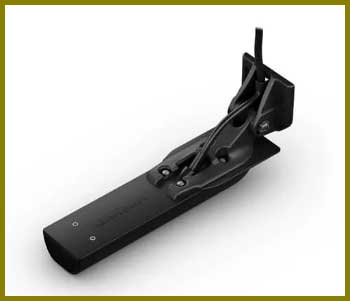
Another noticeable difference between the two transducers is the power.
Both of them are pretty powerful. But one is just more potent than the other option.
Regarding power, GT56 will have the upper hand over the GT54.
With the higher power of 500w, you can expect better image quality, and the performance is also slightly improved.
GT54, with its 350w of power, isn’t a bad option either.
You still get decent quality and performance. It falls a little short when you compare it with the GT56.
- Pricing
This factor is what concerns a lot of people out there about the two transducers. They always think about whether the GT56 is worth the extra money.
Well, it all comes down to your preferences. If you want the best quality and performance with the upgraded features, then the GT56 should be your clear pick regardless of the price.
But if budget concerns you, GT54 is still a good choice, and you can make it work.
Pros of The GT54UHD
- Compact housing that actually fits a trolling motor: I mounted the GT54UHD on a 24-volt trolling motor without fighting the shaft length or the housing hitting the mount. The shorter body keeps the face in clean water at the speeds I run while spotting.
- Sharp 1200 kHz SideVü in skinny water: When I stay inside 30 feet of water and set SideVü to 1200 kHz, individual limbs, rock edges, and fish hanging off cover pop with less grain than I expected from a 350 W unit. That high-frequency slice is the GT54UHD’s party trick.
- Lower price and easier to find in bundles: Many ECHOMAP UHD packages still ship with the GT54UHD. If you already own the unit, you keep more cash in the tackle budget.
- Enough performance for most inland days: On lakes where I rarely leave 70 feet, 800 kHz ClearVü and 455 kHz SideVü cover the water I actually fish. I do not miss the extra frequencies until the drop-offs get steeper.
Cons of The GT54UHD
- Single ClearVü frequency limits options: You live at 800 kHz for down imaging. In stained water or past 150 feet the picture softens faster than I like. I cannot drop to 455 kHz to punch through.
- Scanning power stays at 350 W: Side returns start to wash out sooner than the GT56UHD when I stretch the range past 150 feet per side in deeper water.
- UHD SideVü range is short: The 1200 kHz setting is beautiful close in and almost useless past 30 feet of depth. You flip back to 455 kHz and lose the ultra-fine detail.
- Cable is shorter: Twenty feet is fine on a 17-foot boat. On a 21-footer I needed an extension more often than I wanted.
Pros of The GT56UHD
- Three scanning frequencies on both views: I switch 455 kHz when I want range, 800 kHz when I want a balance of width and detail, and 1000 kHz when I want the tightest beam for structure. Having the same three frequencies on ClearVü and SideVü lets me match the views without guessing.
- 500 W scanning power: The extra 150 watts keep the SideVü picture usable farther from the boat and keep ClearVü readable closer to 300–400 feet in freshwater. Targets stay brighter instead of fading into noise.
- Better ClearVü depth: Official rating jumps from 200 feet to 400 feet. In practice I still get usable brush and rock definition past the point where the GT54UHD turns to blobs.
- Longer cable and stronger overall package: Twenty-five feet of cable covers most consoles without an extra splice. The housing is built for the extra power and frequencies.
Cons of the GT56UHD
- Size fights many trolling-motor mounts: The extra two inches of length made my usual motor mount a puzzle. On some shafts the housing sits too far back or rubs. I ended up leaving the GT56UHD on the transom.
- Higher cost: You pay a clear premium for the extra frequencies and watts. If your water never leaves 50 feet, that money sits unused.
- 1000 kHz is not the same as 1200 kHz: The GT54UHD’s 1200 kHz setting still looks a hair sharper in five to fifteen feet of water. The GT56UHD’s 1000 kHz is close and more usable at mid-range, but the ultra-close photo look belongs to the older high-frequency option.
- Slightly heavier and more to hang off the transom: Not a deal-breaker, yet you notice the extra bulk when you trail the boat or check the mount after a rough ride.
Which Transducer Is Better For You?
If I fish mostly under 80 feet, keep a transducer on the trolling motor, and watch the budget, I keep the GT54UHD. The 1200 kHz SideVü in skinny water and the compact size still earn their spot.
If I mix shallow flats with 150-foot ledges, want three scanning frequencies, and can live with a transom mount, I spend the extra money on the GT56UHD. The 500 W scanning power and the 800 kHz option on both views changed how far I trust the picture.
You already know your water. Match the transducer to the depths you actually run and the mount you actually have, not the spec sheet that looks better in a catalog.
Also Read: Differences Between Vexilar FL 12 And 18 Fishing Sonars.
Frequently Asked Question (FAQ)
The Garmin GT56 has a better frequency and imaging quality than the GT54. It gives the GT56 a more usable range than the GT54. They also differ in price, where the GT56 is a bit more expensive than the GT54.
GT54 is a high-quality UHD transducer with an all-in-one feature. They bring you top-notch quality image details where you can see the fish underwater without any interruptions or problems.
The GT56 transducer is 8.6″ in size.
Wrapping Up
To conclude, the decision of GT54 and GT56 transducer is about quality vs. pricing. For better performance quality, you go with GT56. For better affordability, you go with GT54.
Another way to choose is based on the type of fishing.
If you plan to fish in shallow water, choose GT56 because of its better range. But if the water isn’t too shallow, GT54 should get the job done.