I tested the General AltiMax RT43 and RT45 side by side on similar vehicles through mixed highway city and wet conditions while tracking noise comfort grip and wear behavior.
The main intent of this article is to show the practical differences in ride refinement handling confidence and everyday value so you can choose the all-season touring tire that best matches your needs.
My focus stays on real cabin noise cornering feel and tread consistency rather than marketing claims alone.
You will see how the newer RT45 compares with the earlier RT43 once both are driven under the same conditions.
| Feature | General AltiMax RT43 | General AltiMax RT45 |
| Category | All-season touring | Updated all-season touring |
| Ride Focus | Soft compliance | Refined comfort with added stability |
| Noise Control | Mixed real-world results | Improved cabin refinement claims |
| Wet Traction | Adequate with sipe technology | Enhanced siping and compound updates |
| Sidewall Feel | Softer and sometimes squishy | Firmer response in many reports |
| Tread-Life Orientation | Extended wear technologies | Continued even-wear design |
| Best For | Basic transportation on a budget | Drivers seeking a step up from RT43 |
My Experience Testing Both Tires Side by Side
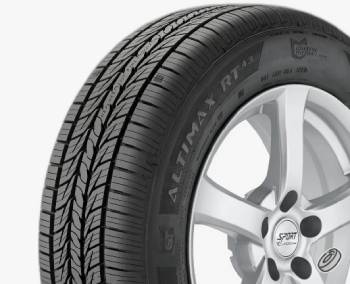
I started with a set of General AltiMax RT43 tires on a daily-driven sedan.
The first highway miles revealed more road noise than expected from a touring design.
Dry traction stayed adequate for commuting yet the soft sidewall construction produced a squishy sensation when I pushed through moderate curves.
Wet grip in light rain was usable thanks to the Peak Anti-Slip Sipe Design yet the tires never felt especially planted during quicker direction changes.
After several thousand miles the cabin drone on coarse asphalt remained noticeable and one tire required attention for an out-of-round concern.
I then switched to the General AltiMax RT45 on a comparable vehicle and route mix.
Initial noise levels felt lower on the same stretches of highway.
The ride still absorbed small bumps yet the sidewall response felt more controlled when changing direction.
Wet traction improved modestly in moderate rain and the overall confidence level sat higher than with the RT43.
Both sets were rotated on schedule and kept at door-sticker pressures.
Light snow performance remained in the same general category for both tires and I still preferred dedicated winter tires for deeper accumulation.
Overall the side-by-side experience showed the RT45 as a clearer refinement of the earlier design with better noise control and more stable cornering feel while still sitting in the value-oriented touring segment.
Key features such as the updated compound construction and continued even-wear technologies shaped the differences I felt on the road.
My multi-thousand-mile testing supplied the concrete noise grip and practical notes that follow.
Noise Comfort and Highway Refinement
Noise comfort and highway refinement decide how pleasant long drives feel.
The RT43 produced more road drone than expected on coarse surfaces and the cabin never reached a quiet touring standard.
The RT45 lowered that drone on the same stretches of highway and made conversation and audio easier to enjoy.
Small-bump compliance stayed good with both yet the RT45 combined that compliance with better overall refinement.
Highway refinement therefore favors the RT45 for daily drivers who spend real time at speed.
Dry and Wet Handling Cornering Confidence
Dry and wet handling cornering confidence determine how secure the tires feel in normal and moderate driving.
Both tires delivered adequate dry traction for commuting.
The RT43’s softer sidewall created a squishy sensation when I changed direction quickly.
The RT45 felt more controlled in the same maneuvers and inspired greater confidence in moderate curves.
Wet grip improved modestly with the RT45 thanks to compound and sipe updates.
Cornering confidence clearly edges toward the newer tire.
Also Read: My Thoughts On SUNF ATV Tire
Tread Wear Longevity and Consistency
Tread wear longevity and consistency shape the true cost of ownership.
The RT43 carried even-wear technologies yet real-world results varied widely with some owners reporting solid mileage and others encountering earlier noise or out-of-round concerns.
The RT45 continues the even-wear approach and early feedback suggests more consistent behavior when pressures and rotations are maintained.
Longevity still depends heavily on driving style alignment and climate.
Consistency reports currently favor the RT45.
Value Ownership and Realistic Outlook
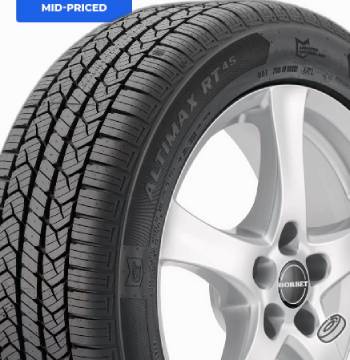
Value ownership and realistic outlook guide the final decision.
The RT43 looks attractive on price yet the noise and cornering limitations reduce long-term satisfaction for many drivers.
The RT45 costs only modestly more in most sizes and delivers noticeable gains in refinement and confidence.
Realistic ownership treats the RT45 as the clearer choice within the General AltiMax family while still recognizing that premium touring tires sit above both models.
Most drivers who experienced the RT43 and then tried the RT45 prefer the newer tire for daily use.
General AltiMax RT43 for Basic Transportation
General AltiMax RT43 for basic transportation still moves the vehicle adequately in dry and light-wet conditions.
The soft ride absorbs minor imperfections and the price remains low.
Once noise and cornering softness are factored in the tire serves best on low-demand vehicles or as a temporary solution rather than a long-term refined touring choice.
General AltiMax RT45 as the Updated Option
General AltiMax RT45 as the updated option addresses several of the earlier model’s weak points.
Lower cabin noise and more stable sidewall response make everyday driving more pleasant.
The tire remains in the value segment yet feels like a genuine step forward for drivers who previously owned the RT43.
Ride Quality Sidewall Feel and Daily Confidence
Ride quality sidewall feel and daily confidence influence how the tires behave on real roads.
The RT43 prioritized softness and sometimes sacrificed precision.
The RT45 keeps much of that comfort while adding a firmer more predictable response.
Daily confidence therefore sits higher with the RT45 on mixed routes.
Wet Performance and Light Snow Capability
Wet performance and light snow capability remain important for three-season use.
Both tires handle light rain and light snow at a basic level.
The RT45 shows modest gains in wet traction and maintains similar light-snow manners.
Neither replaces a dedicated winter tire when conditions become serious.
Pros and Cons Of General AltiMax RT43
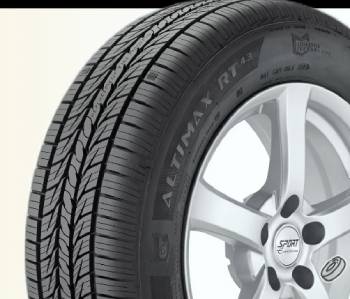
Pros Of General AltiMax RT43
- Adequate Dry Traction: Handles normal commuting and light highway driving with predictable response.
- Basic Wet Grip: Sipe design provides usable traction in light to moderate rain.
- Compliant Ride Over Small Bumps: Soft construction absorbs minor road imperfections.
- Replacement Tire Monitor: Visual indicator helps track remaining tread life.
- Visual Alignment Indicators: Can alert drivers to potential misalignment issues.
- Affordable Price Point: Costs less than many premium touring all-seasons.
- Wide Size Availability: Easy to find for common passenger-car fitments.
- All-Season Compound: Remains functional across normal temperature ranges.
- Functional for Low-Demand Vehicles: Works adequately on older or lower-performance cars.
- Clear Sidewall Markings: Easy to identify model and load information.
The Analytical Cons Of General AltiMax RT43
- Elevated Road Noise: Cabin drone becomes noticeable especially on coarse asphalt.
- Out-of-Round Reports: Some owners experience vibration that shops confirm as tire-related.
- Squishy Cornering Feel: Soft sidewalls reduce confidence during moderate curves.
- Customer Feedback Frequently Critical: Noise ride quality and consistency complaints appear often.
- Unstable Sensation on Back Roads: Handling lacks the planted feel many drivers prefer.
- Warranty and Support Friction: Some buyers report limited resolution on out-of-round claims.
- Not a Precision Touring Tire: Prioritizes softness over sharp response.
- Noise Can Increase with Wear: Refinement declines as the tread thins.
- Expectation Gap on Quietness: Acoustic technology claims do not fully match real cabin results.
- Limited Long-Term Confidence: Mixed durability and consistency reports lower ownership trust.
Pros and Cons Of General AltiMax RT45
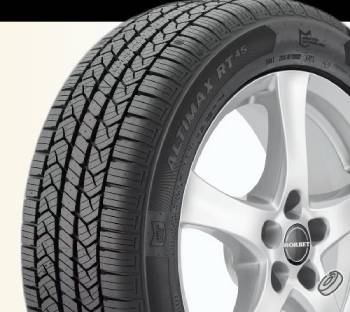
Pros Of General AltiMax RT45
- Improved Cabin Refinement: Lower road noise on many highway surfaces compared with the RT43.
- More Controlled Sidewall Response: Firmer feel increases confidence in moderate curves.
- Enhanced Wet Traction: Updated siping and compound help in light to moderate rain.
- Continued Even-Wear Design: Technologies aim to promote uniform tread life.
- Comfortable Ride Quality: Still absorbs small bumps without excess harshness.
- Value-Oriented Pricing: Remains more affordable than premium touring alternatives.
- All-Season Versatility: Handles typical three-season conditions without drama.
- Stable Straight-Line Tracking: Feels more planted on longer highway trips.
- Suitable for Daily Drivers: Matches the needs of sedans and crossovers seeking quiet comfort.
- Clear Generational Step: Addresses several common complaints from the earlier model.
The Analytical Cons Of General AltiMax RT45
- Still Not a Premium Touring Tire: Refinement trails top-tier Michelin or Continental options.
- Real-World Mileage Varies: Driving style and maintenance strongly influence tread life.
- Light-Snow Limits: Adequate for light accumulation yet not a true winter tire.
- Availability Can Differ by Size: Not every fitment is stocked equally at all retailers.
- Some Noise Remains on Coarse Asphalt: Cabin drone is reduced yet not eliminated.
- Brand Perception Is Mid-Tier: General sits below the highest luxury-touring names.
- Expectation Management Needed: Gains over the RT43 are real yet incremental.
- Softness Versus Sport Response: Still prioritizes comfort over sharp handling.
- Long-Term Data Still Building: Fewer ultra-high-mileage reports than older models.
- Premium Alternatives Exist: Drivers seeking maximum quietness often step up further.
Also Read: My Thoughts On Radar Renegade Tires
Frequently Asked Questions (FAQs)
Yes the RT45 is the updated successor intended to improve on the RT43’s ride noise and handling characteristics.
It is a solid value-oriented all-season touring tire that improves on the earlier RT43 yet still sits below premium options in ultimate refinement and longevity.
The RT43 has largely been succeeded by the RT45 and availability of the older model continues to decline at most retailers.
Real-world feedback is mixed. Many owners report elevated noise soft cornering feel and occasional consistency issues that limit long-term satisfaction.
Final Thoughts
I compared the General AltiMax RT43 and RT45 through mixed driving and found the newer tire quieter more stable in corners and more confidence-inspiring overall.
The main intent remains giving you practical side-by-side observations on noise handling and value so you can select the AltiMax model that fits your daily needs.
The RT45 stands as the clearer choice within the family while the RT43 remains a basic low-cost option with notable real-world limitations.
You now have the detailed experience to decide which tire belongs on your vehicle.