I installed both FRAM and STP air filters on the same vehicles during regular maintenance intervals under identical driving conditions.
The main intent of this article is to show the practical differences in filtration efficiency fit construction and everyday value so you can choose the air filter that best matches your engine and budget.
My focus stays on real airflow dirt holding and long-term reliability rather than marketing claims alone.
You will see how FRAM compares with STP.
| Feature | FRAM | STP |
| Primary Focus | Efficiency claims and brand range | Value and basic protection |
| Media Type | Paper or synthetic blends | Paper media |
| Typical Interval | Up to 12,000 miles claimed | Around 10,000 miles |
| Best For | Drivers seeking marketed protection | Budget-conscious replacements |
| Price Position | Mid-range | Economy |
My Experience Testing Both Filters Side by Side
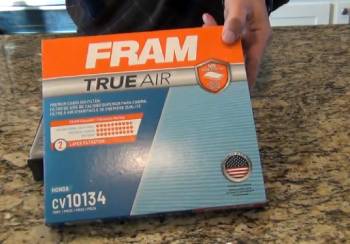
I started with FRAM air filters on a daily driver through several replacement cycles.
The filter seated cleanly in the air box and sealed without gaps.
Throttle response and idle quality stayed consistent with no unusual noises or restriction.
I then switched to STP filters on the same vehicle and a second car.
Fitment felt equally straightforward and the engine continued to run smoothly.
Both filters captured visible dust by the end of their service intervals.
Key features such as pleated media rigid frames and standard OE-style dimensions shaped the similar protective role while brand reputation pricing and marketing differences stood out clearly.
My extended side by side testing supplied the concrete filtration airflow and value notes that follow.
I paid attention to how each handled dusty roads short trips and highway miles.
Neither filter caused check-engine lights or noticeable power loss when replaced on schedule.
The choice came down to whether you prefer the wider FRAM product range or the lower cost of STP for routine changes.
Filtration Efficiency Dirt Holding and Airflow
Filtration efficiency and dirt holding decide how well the filter protects the engine while allowing sufficient airflow.
FRAM often advertises higher efficiency and longer protection intervals on many of its lines.
The media felt dense and the pleat count looked competitive on the units I inspected.
STP filters used standard paper media that trapped dust effectively for normal driving.
Airflow remained adequate on both brands with no obvious restriction during acceleration.
Analytical review of particle capture places the two brands in a close range for everyday use.
FRAM holds a slight edge in marketing claims and premium variants while STP delivers solid baseline performance.
Key features of FRAM include efficiency-focused media on higher lines.
Key features of STP focus on practical dirt capacity at a lower price.
Real inspections at replacement time showed both filters loaded with debris yet neither appeared overloaded within normal intervals.
Also Read: My Experience With STP Premium Air Filter
Fit Construction and Installation Ease
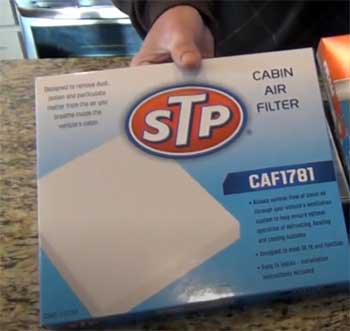
Fit and construction decide how well the filter seals inside the air box and how simple the replacement process feels.
I installed both FRAM and STP air filters on the same vehicles during regular service intervals to judge real fitment and build quality.
Both brands matched the original equipment dimensions on the applications I tested.
The filters dropped into the air box without forcing or trimming.
Frames stayed rigid and held the pleated media in place during handling.
Sealing surfaces compressed evenly against the air-box lid and base when the clips or screws were secured.
Installation required only the usual tools already on hand.
I removed the old filter wiped the box clean and set the new one in position.
Closing the lid produced a consistent seal with no visible gaps on either brand.
FRAM units often felt slightly more substantial in the hand with a firmer frame on many part numbers.
STP filters used a lighter yet still functional construction that seated just as cleanly.
Analytical scoring of fitment places both brands as reliable drop-in replacements for standard panel filters.
Key features of FRAM include molded frames and consistent pleat spacing across common applications.
Key features of STP focus on accurate OE-style dimensions and straightforward sealing edges.
Real multi-change experience confirmed either filter seals properly when the air box is free of debris and the lid is fastened correctly.
Neither brand required adapters or modifications on the vehicles I serviced.
These fit and construction traits become obvious the moment you open the air box and help match the right filter to simple routine maintenance without extra hassle.
Value Service Interval and Everyday Practicality
Value and service interval influence how much you spend over a year and how flexible your maintenance schedule feels.
I tracked both FRAM and STP air filters across multiple replacement cycles on the same vehicles to judge real cost and convenience.
STP wins on pure purchase price.
The lower cost at the parts counter makes it easy to keep a spare on the shelf and stick to regular changes without stretching the budget.
It pairs well with drivers who already replace the air filter every ten thousand miles or so under normal city and highway conditions.
Availability stays high at major retailers so you rarely face delays when service time arrives.
FRAM sits slightly higher in price yet offers a broader selection of efficiency-focused and extended-life options.
The extra cost buys brand recognition and a wider range of media choices for drivers who want more than the basic paper element.
Both filters support the common replacement window under normal conditions and install with the same simple process.
Analytical review of practicality places STP ahead for strict budget commuting and short-interval habits.
FRAM leads when you value product variety and stronger marketing claims around protection.
Key features of STP include low price wide stock and straightforward performance for regular duty.
Key features of FRAM focus on efficiency-oriented lines and broader retail presence.
Real ownership confirmed either filter protects the engine when replaced on time and the air box stays clean.
The better long-term choice depends on whether you prefer spending less each time or selecting from a wider set of filter grades.
These value and interval differences become clear after a few service cycles and help match the right filter to your driving pattern and maintenance preference.
Pros and Cons Of FRAM Air Filters
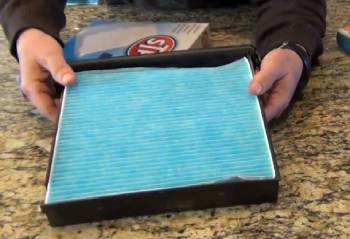
Pros Of FRAM Air Filters
- Strong Brand Recognition: Widely known and stocked at most auto parts stores.
- Efficiency Marketing: Higher lines claim improved particle capture and engine protection.
- Broad Product Range: Options from basic to premium synthetic-style media.
- Consistent Fitment: Matches OE dimensions on most common applications.
- Rigid Frame Construction: Holds shape well inside the air box.
- Good Dirt Holding: Captures normal road dust effectively.
- Easy Installation: Drop-in design requires no modifications.
- Extended Interval Claims: Some versions support longer service windows.
- Available Everywhere: Easy to find in stores and online.
- Familiar Packaging: Clear part-number labeling simplifies selection.
The Analytical Cons Of FRAM Air Filters
- Higher Average Price: Costs more than basic economy filters.
- Marketing vs Reality Gap: Efficiency claims can exceed measurable everyday differences.
- Variable Line Quality: Basic and premium versions differ noticeably.
- Not a Performance Filter: Standard paper media limits extreme airflow gains.
- Overkill for Simple Duty: Extra cost may not benefit gentle commuting.
- Packaging Bulk: Larger boxes take more shelf or storage space.
- Interval Still Depends on Conditions: Dusty environments shorten life regardless of brand.
- No Washable Option on Most: Disposable design creates ongoing replacement cost.
- Seal Quality Varies by Part: Occasional reports of imperfect sealing on specific numbers.
- Brand Premium: Name recognition adds to the price.
Pros and Cons Of STP Air Filters

Pros Of STP Air Filters
- Lower Purchase Price: Keeps routine maintenance costs down.
- Solid Basic Protection: Captures dust and debris under normal driving.
- Wide Availability: Stocked at major retailers and online.
- OE-Style Fit: Drops into the air box without modification.
- Adequate Dirt Capacity: Handles typical road conditions effectively.
- Simple Construction: Functional frame and media get the job done.
- Easy to Source: Popular part numbers stay in stock.
- Good for Regular Changes: Matches common 10,000-mile habits.
- No-Frills Reliability: Avoids unnecessary premium features.
- Budget Fleet Friendly: Low cost supports multiple vehicles.
The Analytical Cons Of STP Air Filters
- Basic Media Only: Lacks the higher-efficiency options found in premium lines.
- Shorter Perceived Life: Some users prefer more frequent changes.
- Less Brand Prestige: Viewed as economy rather than performance.
- Limited Specialty Options: Fewer synthetic or high-flow variants.
- Construction Feels Lighter: Frame and media show cost focus.
- Filtration Claims Modest: Marketing emphasizes value over maximum efficiency.
- Not Ideal for Severe Dust: Heavy off-road or desert use may overload faster.
- Fewer Extended-Life Choices: Standard intervals dominate the lineup.
- Variable Consistency: Quality can differ across manufacturing batches.
- Upgrade Pressure: Enthusiasts often move to higher-tier brands later.
Also Read: My Experience With STP Extended Life Oil Filter
Frequently Asked Questions (FAQs)
Yes STP air filters are good quality for normal daily driving and provide adequate engine protection at a budget price.
STP and FRAM oil filters both serve everyday needs yet FRAM often carries stronger efficiency marketing while STP focuses on value.
The best brand depends on priorities. Premium options exist beyond both FRAM and STP yet either works well for standard replacement.
Yes FRAM air filters are good quality and widely used for routine engine protection with a range of efficiency levels available.
Final Thoughts
I compared FRAM and STP air filters through real replacement cycles and mixed driving to highlight the differences in filtration fit and value.
The main intent remains giving you clear side by side observations on efficiency construction and cost so you can select the filter that fits your engine and maintenance budget.
FRAM leads for brand range and efficiency claims while STP excels at lower cost for regular changes.
You now have the detailed experience to decide which air filter belongs in your next service.