I installed both MicroGard and WIX oil filters on the same vehicles during regular oil changes under identical driving conditions.
The main intent of this article is to show the practical differences in filtration efficiency durability construction and everyday value so you can choose the filter that best matches your engine and maintenance schedule.
My focus stays on real protection build quality and long-term reliability rather than marketing claims alone.
You will see how MicroGard compares with WIX.
| Feature | MicroGard | WIX |
| Primary Focus | Budget daily driving | Severe service and longevity |
| Typical Interval | 3,000–5,000 miles | 3,750–10,000 miles |
| Media Type | Cellulose or blend | Synthetic or enhanced |
| Anti-Drainback Valve | Nitrile (standard) | Silicone |
| Best For | Normal commuting | Higher stress or longer intervals |
My Experience Testing Both Filters Side by Side
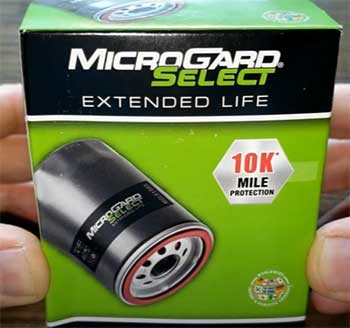
I started with MicroGard filters on a daily commuter through several oil change cycles.
Installation felt standard and the filter seated cleanly.
Oil pressure stayed normal and the engine ran without noise or issues during city and highway miles.
I then switched to WIX filters on the same vehicle and a second higher-mileage engine.
The WIX unit felt slightly more substantial in hand with a thicker canister.
Oil pressure and engine behavior remained consistent yet the longer recommended interval gave more flexibility between changes.
Both filters kept the oil looking clean at the drain interval I followed.
Key features such as anti-drainback valves bypass valves and media designed to capture particles shaped the similar protective role while construction quality and service life differences stood out clearly.
My extended side by side testing supplied the concrete filtration durability and value notes that follow.
I paid attention to how each handled short trips highway runs and varying temperatures.
Neither filter leaked or caused pressure problems when installed correctly.
The choice came down to whether you want maximum economy for normal driving or stronger construction for longer intervals and tougher conditions.
Filtration Efficiency Media and Particle Capture
Filtration efficiency and media decide how well the filter removes contaminants from the oil.
WIX typically uses synthetic or glass-enhanced media with tighter and more consistent pore structure.
This design captures finer particles while maintaining good flow.
MicroGard standard filters often rely on cellulose or blended media that perform adequately for normal driving yet reach their efficiency limit sooner under heavier contamination.
Analytical review of particle capture places WIX ahead for higher efficiency and better performance with synthetic oils.
MicroGard remains sufficient for conventional oil and regular commuting.
Key features of WIX include synthetic media options and higher efficiency ratings on many part numbers.
Key features of MicroGard focus on cost-effective media suited to standard service intervals.
Real drain inspections showed both filters held visible debris yet the WIX units appeared to retain more fine material over longer runs.
Also Read: Comparison Of Doc’s Diesel Filters Vs. Motorcraft
Construction Durability and Valve Design
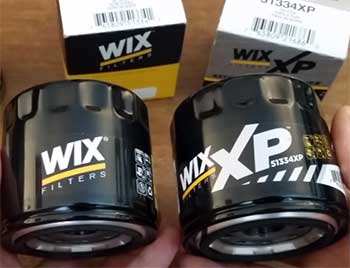
Construction and valve design affect reliability under pressure and temperature changes.
WIX filters generally feature thicker canisters metal end caps and silicone anti-drainback valves that resist hardening.
The overall build feels more robust for severe service or extended intervals.
MicroGard standard filters use thinner cans and nitrile anti-drainback valves that work fine in normal conditions yet offer less margin in extreme heat or long drain periods.
Analytical scoring of durability places WIX clearly ahead for tougher environments.
Key features of WIX include silicone valves and reinforced construction.
Key features of MicroGard emphasize functional design at a lower price.
Real multi-change experience confirmed both seal properly when installed with the correct torque and gasket lubrication.
Value Service Interval and Everyday Practicality
Value and service interval influence the total cost of ownership and how flexible your maintenance schedule feels.
I tracked both MicroGard and WIX filters across multiple oil changes on the same vehicles to judge real cost and convenience.
MicroGard wins on pure purchase price.
The lower cost at the parts counter makes it easy to keep spares on hand and stick to frequent changes without stretching the budget.
It pairs well with drivers who already change oil every three to five thousand miles under normal city and highway conditions.
Availability stays high at major retailers so you rarely face delays when it is time for service.
WIX costs more per filter yet supports longer intervals on many applications.
The extra durability and higher efficiency give more confidence when you want to stretch toward five thousand or even ten thousand miles with the right oil.
That flexibility reduces the number of shop visits or driveway changes over a year.
Both filters install with standard tools and fit common spin-on applications without adapters or complications.
Analytical review of practicality places MicroGard ahead for strict budget commuting and short-interval habits.
WIX leads when you value longer service windows and extra construction margin.
Key features of MicroGard include low price wide stock and straightforward performance for regular duty.
Key features of WIX focus on extended-interval capability silicone valves and robust canisters.
Real ownership confirmed either filter protects the engine when matched to the correct oil type and change schedule.
The better long-term choice depends on whether you prefer spending less each time or reducing the frequency of changes while gaining durability.
These value and interval differences become clear after a few service cycles and help match the right filter to your driving pattern and maintenance preference.
Pros and Cons Of MicroGard Oil Filters
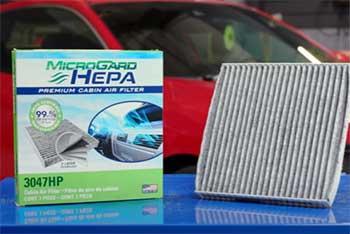
Pros Of MicroGard Oil Filters
- Lower Purchase Price: Costs less at the counter for each change.
- Wide Retail Availability: Easy to find at major auto parts stores.
- Adequate for Normal Driving: Protects engines under typical city and highway use.
- Standard Installation: Fits common spin-on applications without issues.
- Functional Anti-Drainback Valve: Prevents dry starts in regular service.
- Good for Conventional Oil: Matches well with standard oil change habits.
- Simple Construction: Gets the basic job done without extras.
- Frequent Stock: Rarely hard to locate for popular vehicle applications.
- Budget Fleet Option: Keeps costs down when many vehicles need filters.
- Acceptable Efficiency: Captures normal contaminants within short intervals.
The Analytical Cons Of MicroGard Oil Filters
- Shorter Recommended Intervals: Best limited to 3,000–5,000 miles on standard versions.
- Thinner Canister: Less robust under high pressure or severe conditions.
- Nitrile Valve on Standard Models: Can harden faster than silicone in heat.
- Cellulose or Basic Media: Lower efficiency on fine particles compared with synthetic.
- Limited Severe Service Rating: Not ideal for heavy towing or extreme environments.
- Less Premium Feel: Construction shows its economy focus.
- Variable Quality Perception: Some users prefer stepping up for peace of mind.
- Shorter Overall Lifespan: Media loads faster under dusty or stop-go conditions.
- Fewer High-End Options: Select versions exist yet standard line dominates shelves.
- Not the Top Choice for Synthetic Oil: Performs better with conventional formulations.
Pros and Cons Of WIX Oil Filters
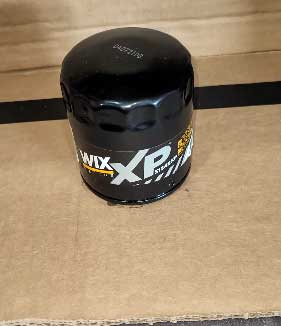
Pros Of WIX Oil Filters
- Stronger Construction: Thicker can and reinforced design handle stress better.
- Silicone Anti-Drainback Valve: Resists heat and lasts longer than nitrile.
- Higher Filtration Efficiency: Synthetic media captures finer particles effectively.
- Longer Service Intervals: Supports 5,000–10,000 mile changes on many applications.
- Severe Service Capability: Better suited to towing dust and temperature extremes.
- Consistent Quality Reputation: Trusted by many professional and DIY users.
- Good Flow Characteristics: Maintains oil pressure while trapping contaminants.
- Wide Application Coverage: Available for most cars trucks and equipment.
- Synthetic Oil Compatible: Works well with modern extended-life oils.
- Peace of Mind: Extra durability margin for higher-mileage or harder-used engines.
The Analytical Cons Of WIX Oil Filters
- Higher Price: Costs more than economy filters like standard MicroGard.
- Overkill for Easy Duty: Extra capability may exceed needs of gentle commuting.
- Availability Varies: Some part numbers stock less consistently than budget brands.
- Premium Positioning: Price can add up across a multi-vehicle household.
- Not the Absolute Cheapest: Budget buyers may look elsewhere first.
- Model Confusion: XP and standard lines differ in media and ratings.
- Still a Wear Item: Requires proper change intervals regardless of quality.
- Gasket Care Needed: Correct installation remains essential to prevent leaks.
- Heavier Construction: Slightly more mass than the lightest economy filters.
- Limited Visual Difference: Performance gains appear over time rather than immediately.
Also Read: Comparison Of Wix Vs. MicroGard Oil Filter
Frequently Asked Questions (FAQs)
No MicroGard and WIX are separate brands although both have ties to larger filtration groups such as Mann+Hummel and Purolator at different points.
Yes MicroGard is a good budget oil filter brand for normal driving conditions and standard oil change intervals.
Yes MicroGard provides adequate engine protection when used within its recommended mileage and driving conditions.
The best brand depends on use. WIX ranks among the stronger choices for durability and efficiency while MicroGard serves well for economy daily driving.
Final Thoughts
I compared MicroGard and WIX oil filters through real oil changes and mixed driving to highlight the differences in filtration durability and value.
The main intent remains giving you clear side by side observations on construction efficiency and service life so you can select the filter that fits your engine and maintenance habits.
MicroGard leads for lowest cost on normal commuting while WIX excels at stronger build longer intervals and severe service confidence.
You now have the detailed experience to decide which filter belongs on your next oil change.