I used both the Canon EOS R50 and the Canon EOS Rebel T7 for everyday photos and short video clips under the same lighting conditions.
The main intent of this article is to show the practical differences in autofocus image quality video capability and everyday handling so you can choose the camera that best matches your skill level and budget.
My focus stays on real shooting feel focus speed and usability rather than marketing claims alone.
You will see how the R50 compares with the Rebel T7.
| Feature | Canon R50 | Canon Rebel T7 |
| Type | Mirrorless | DSLR |
| Sensor | 24.2MP APS-C | 24.1MP APS-C |
| Continuous Shooting | Up to 12-15 fps | 3 fps |
| Video | 4K | Full HD |
| Autofocus | Advanced Dual Pixel with subject detection | 9-point basic |
| Best For | Modern beginners and content creators | Absolute budget entry |
My Experience Testing Both Cameras Side by Side
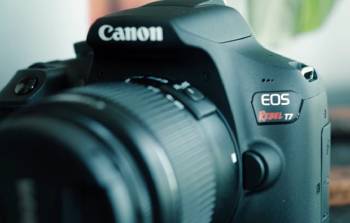
I started with the Rebel T7 for several weeks of casual shooting.
The optical viewfinder felt familiar and the camera handled basic daylight photos without trouble.
Autofocus locked on still subjects adequately yet struggled with moving people or pets.
Video stayed limited to Full HD and the fixed screen made vlogging awkward.
I then switched to the R50 under the same conditions.
The electronic viewfinder and fully articulated touchscreen changed the experience immediately.
Subject detection autofocus tracked faces and animals with far greater confidence.
4K video looked cleaner and the lighter body made longer walks more comfortable.
Both cameras produced usable 24-megapixel stills in good light.
Key features such as APS-C sensors Canon color science and beginner-friendly modes shaped the similar starting point while autofocus speed video quality and handling differences stood out clearly.
My extended side by side testing supplied the concrete focus performance and daily use notes that follow.
I paid attention to how each handled family moments indoor light and simple video clips.
Neither camera failed to capture images when settings stayed reasonable.
The choice came down to whether you want modern mirrorless speed or the lowest possible entry cost into a Canon system.
Image Quality Sensor and Low Light Performance
Image quality and sensor performance decide how files look straight out of camera and how much flexibility you keep when light levels change.
I shot both the Canon R50 and the Rebel T7 in bright daylight open shade and indoor conditions to judge real detail color and noise.
Both cameras use similar 24-megapixel APS-C sensors and deliver comparable sharpness when light is plentiful.
Colors stayed pleasant on each body with the familiar Canon skin tones and natural rendering that many beginners appreciate.
Dynamic range felt close in well-exposed daylight scenes so highlights and shadows recovered in a similar way during light editing.
The R50 pulled ahead once the light dropped.
Its newer DIGIC X processor and higher native ISO range handled indoor and evening situations with less visible noise.
Files retained more usable detail at elevated ISO settings and required less aggressive noise reduction later.
The Rebel T7 produced clean results in good light yet noise appeared earlier and detail softened faster as ISO climbed.
Analytical review of image quality places the R50 ahead for overall flexibility while the T7 remains perfectly serviceable for outdoor and well-lit indoor photos.
Key features of the R50 include the modern processor higher ISO ceiling and improved noise handling.
Key features of the T7 focus on solid daylight performance at a much lower price.
Real side-by-side frames confirmed both cameras create shareable images yet the R50 gives clearer advantages when you cannot control the lighting.
These sensor and low-light differences become obvious after a few mixed shooting sessions and help match the right camera to the conditions you expect to face most often.
Also Read: My Thoughts On Vivitar Digital Camera
Autofocus Speed and Tracking
Autofocus speed and tracking determine how many keepers you get with moving subjects.
The R50 uses advanced Dual Pixel CMOS AF with deep-learning subject detection for people animals and vehicles.
Focus stayed locked during continuous shooting and eye detection worked reliably for portraits.
The Rebel T7 relies on a basic 9-point system that works for static scenes yet loses subjects easily once they move.
Live-view autofocus on the T7 felt slower and less confident.
Analytical scoring of focus performance places the R50 in a completely different class.
Key features of the R50 include wide-area coverage and intelligent subject recognition.
Key features of the T7 emphasize simple center-point focus for beginners learning composition.
Real testing with kids and pets showed the R50 capturing far more sharp frames.
Video Features Handling and Everyday Usability
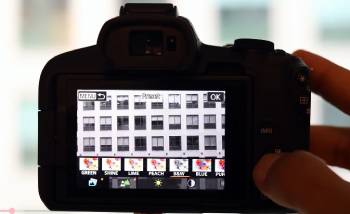
Video features and handling affect content creation and daily carry.
The R50 records 4K video and offers a fully articulated touchscreen that flips for self-recording.
The body feels lighter and more compact for all-day use.
The Rebel T7 is limited to Full HD video and uses a fixed screen that forces awkward angles for vlogging.
The optical viewfinder still appeals to photographers who prefer a traditional through-the-lens view.
Analytical review of usability places the R50 ahead for modern hybrid shooting while the T7 remains a pure budget stills camera.
Key features of the R50 include 4K recording articulating screen and silent electronic shutter options.
Key features of the T7 focus on simple DSLR operation and long battery life in optical viewfinder mode.
Real daily carry confirmed the R50 encourages more spontaneous shooting and video.
Pros and Cons Of Canon R50
Pros Of Canon R50
- Advanced Autofocus: Subject detection tracks people animals and vehicles reliably.
- 4K Video Recording: Clean footage suitable for social content and basic projects.
- Fully Articulated Touchscreen: Enables easy self-recording and creative angles.
- Fast Continuous Shooting: Up to 12-15 frames per second captures action.
- Compact Lightweight Body: Comfortable for travel and all-day carry.
- Modern DIGIC X Processor: Improves noise handling and overall responsiveness.
- Electronic Viewfinder: Shows exposure and white balance in real time.
- RF Mount Future: Access to newer lenses and adapters for EF glass.
- Higher ISO Performance: Better results when light levels drop.
- Beginner-Friendly Modes: Guided interfaces help new users learn quickly.
The Analytical Cons Of Canon R50
- Higher Purchase Price: Costs significantly more than the Rebel T7.
- Smaller Battery Life: Mirrorless design drains power faster than optical-viewfinder use.
- Electronic Viewfinder Preference: Some users still prefer optical finders.
- RF Lens Cost: Native lenses can be expensive compared with older EF options.
- Crop in Some Video Modes: Certain 4K settings apply a crop factor.
- Learning Curve for New System: Mirrorless operation differs from traditional DSLRs.
- Limited Built-in Grip: Smaller body may feel less secure with larger lenses.
- Accessory Ecosystem Newer: Fewer third-party options than long-running DSLR lines.
- Overkill for Pure Stills Beginners: Advanced features exceed basic snapshot needs.
- Rolling Shutter in Video: Fast motion can show distortion in some clips.
Pros and Cons Of Canon Rebel T7
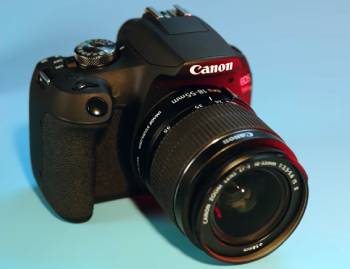
Pros Of Canon Rebel T7
- Lowest Entry Price: One of the most affordable ways into a Canon DSLR system.
- Optical Viewfinder: Traditional through-the-lens experience many beginners prefer.
- Long Battery Life: Optical viewing conserves power for extended shooting days.
- Huge EF/EF-S Lens Selection: Access to decades of affordable used glass.
- Simple Operation: Straightforward controls help new photographers learn basics.
- Solid Daylight Image Quality: 24-megapixel sensor delivers clean results in good light.
- Familiar DSLR Handling: Feels like classic cameras many people already understand.
- Built-in Flash: Convenient for fill light without extra gear.
- Durable Enough for Learning: Handles regular student or family use.
- Easy Resale or Upgrade Path: Common model with steady used-market demand.
The Analytical Cons Of Canon Rebel T7
- Outdated Autofocus: 9-point system struggles with moving subjects.
- No 4K Video: Limited to Full HD for all recording.
- Fixed Screen: Makes vlogging and awkward-angle shots difficult.
- Slow Continuous Shooting: 3 frames per second misses fast action.
- Older Processor: DIGIC 4+ limits low-light performance and speed.
- Heavier Body: Bulkier than modern mirrorless alternatives.
- Basic Live View AF: Contrast-detect focusing feels sluggish.
- Lower ISO Ceiling: Noise appears earlier when light drops.
- Aging Feature Set: Lacks subject detection and modern tracking tools.
- Future Lens Limitations: EF-S lenses do not adapt as cleanly to newer mirrorless bodies.
Also Read: My Thoughts On Camkory Digital Camera
Frequently Asked Questions (FAQs)
The main disadvantages include higher cost shorter battery life and the need to invest in RF-mount lenses or adapters for older glass.
The Canon R50 was announced in early 2023 and remains a current entry-level mirrorless model.
The R100 and R50 both offer more modern autofocus and video than the T7 yet the T7 stays the cheapest pure stills entry point.
The R50 is good for beginners who want strong autofocus 4K video and a compact body for photos travel and social content.
Final Thoughts
I compared the Canon R50 and Rebel T7 through real photo and video sessions to highlight the differences in autofocus speed video capability and handling.
The main intent remains giving you clear side by side observations on image quality focus performance and everyday usability so you can select the camera that fits your budget and goals.
The R50 leads for modern features and hybrid shooting while the Rebel T7 excels at lowest cost entry into a Canon system.
You now have the detailed experience to decide which camera belongs in your hands.