I printed the same models with both Sunlu and Bambu Lab filament on identical printers and settings.
The main intent of this article is to show the practical differences in print quality consistency price and ecosystem features so you can choose the filament that best matches your workflow.
My focus stays on real dimensional accuracy surface finish reliability and cost per print rather than marketing claims alone.
You will see how Sunlu compares with Bambu Lab filament.
| Feature | Sunlu | Bambu Lab |
| Price | Lower | Higher |
| RFID / AMS Support | No | Yes |
| Print Quality | Very good | Excellent / consistent |
| Color Range | Wide | Wide |
| Best For | Value and volume printing | Seamless Bambu ecosystem |
My Experience Testing Both Filaments Side by Side
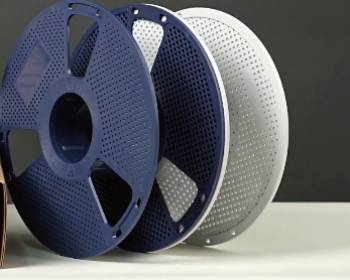
I started with Bambu Lab PLA and PETG for several weeks of daily prints.
The filament fed cleanly through the AMS with automatic profile loading via RFID.
Surface finish stayed consistent across spools and colors with minimal tuning.
I then switched to Sunlu PLA+ PETG and specialty variants under the same profiles and conditions.
First-layer adhesion and dimensional accuracy looked nearly identical on most models.
Stringing and surface quality remained close enough that side-by-side parts were hard to tell apart without labels.
Both brands produced reliable results once dried and stored properly.
Key features such as 1.75 mm diameter standard tolerances and wide material options shaped the similar printing experience while price RFID convenience and batch consistency differences stood out clearly.
My extended side by side testing supplied the concrete quality reliability and cost notes that follow.
I paid attention to how each handled high-speed printing multi-color AMS jobs and longer print times.
Neither filament caused frequent jams or major defects when kept dry.
The choice came down to whether official AMS convenience and tighter consistency justified the higher cost.
Print Quality Surface Finish and Reliability
Print quality decides how finished parts look and fit.
Bambu Lab filament delivered very consistent extrusion and surface finish across different spools.
Colors matched well and dimensional accuracy stayed tight with official profiles.
Sunlu produced nearly the same visual and dimensional results on the majority of test models.
Slight variations appeared more often between Sunlu batches yet remained within acceptable limits for most functional and display parts.
High-speed printing worked well with both once temperatures and cooling were dialed in.
Analytical review of print quality places Bambu slightly ahead for absolute consistency.
Sunlu stays extremely close and fully usable for production and prototyping.
Key features of both include good layer adhesion and reliable flow characteristics.
Real multi-spool testing confirmed most users will struggle to see a clear quality gap on everyday prints.
Price Value and Cost Per Print

Price and value influence how much filament you can keep on hand and how freely you experiment with new prints.
I tracked the actual cost of both Sunlu and Bambu Lab filament across multiple spools and completed projects to measure real cost per print.
Sunlu costs significantly less per kilogram in PLA PETG and most common materials.
Multi-packs and frequent sales push the effective price even lower.
When you print large models run several printers or go through filament quickly the savings become substantial.
I completed identical parts with both brands and the material cost difference was obvious on every larger job.
Bambu Lab filament carries a clear premium that reflects the RFID tags tighter quality control and official ecosystem support.
That extra cost buys convenience and consistency rather than dramatically better looking parts in most cases.
For pure material performance the price gap is harder to justify once you move beyond the automatic AMS features.
Analytical scoring of value places Sunlu clearly ahead for volume printing and budget-conscious users.
Bambu remains reasonable when seamless profile loading and guaranteed batch consistency matter more than the lowest possible cost.
Key features of Sunlu include aggressive pricing frequent bundle deals and broad availability.
Key features of Bambu focus on ready-to-print convenience inside their printers and AMS system.
Real cost tracking confirmed Sunlu lowers the expense of experimental work prototypes and high-volume production.
I also factored in failed prints and tuning time.
Because Sunlu performs close enough to Bambu on most profiles the lower price reduces the financial impact of any wasted material.
Storage drying and basic handling remain identical for both brands so no hidden costs appeared on either side.
These price and value differences become clear after only a few kilograms of printing and help match the right filament to your monthly usage and budget priorities.
Ecosystem Compatibility and Practical Workflow
Ecosystem features affect daily workflow friction.
Bambu Lab filament includes RFID tags that the AMS reads automatically for profile selection and remaining length tracking.
This removes manual setup steps and reduces user error.
Sunlu lacks RFID so you select the profile manually or create a custom one.
Many users simply load a Bambu generic profile and achieve excellent results.
Both filaments run well on Bambu printers and on other brands once settings are confirmed.
Dry storage remains essential for either brand especially with PETG and moisture-sensitive materials.
Analytical review of workflow places Bambu ahead for pure convenience inside its own ecosystem.
Sunlu wins when you want maximum flexibility and lower cost across different machines.
Key features of Bambu include automatic filament recognition and official support.
Key features of Sunlu emphasize broad compatibility and value.
Real AMS and multi-printer testing confirmed both approaches work with the convenience edge going to Bambu.
Pros and Cons Of Sunlu Filament
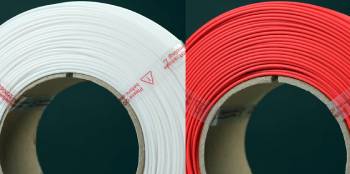
Pros Of Sunlu Filament
- Lower Cost: Significantly cheaper per kilogram than Bambu Lab filament.
- Strong Print Quality: Delivers surface finish and dimensional accuracy close to premium options.
- Wide Material Range: Offers PLA PLA+ PETG ABS and many specialty blends.
- Good Availability: Easy to find in multi-packs and frequent sales.
- Compatible with Bambu Profiles: Often prints well using existing Bambu settings.
- Reliable for Volume Work: Supports high print counts without breaking the budget.
- Consistent Diameter Control: Maintains usable tolerances on most spools.
- Refill Options: Some lines support reusable spools for less waste.
- Solid Moisture Resistance: Performs well when stored and dried properly.
- Value for Experimentation: Encourages testing new colors and materials without high cost.
The Analytical Cons Of Sunlu Filament
- No RFID Tags: Requires manual profile selection in the AMS.
- Batch Variation: Color and flow consistency can differ more between spools.
- Less Official Support: No direct integration or guaranteed profiles from Bambu.
- Drying Still Required: Moisture-sensitive materials need the same care as any filament.
- Quality Control Perception: Some users prefer the tighter standards of premium brands.
- Labeling and Packaging: Can feel less premium than Bambu presentation.
- Specialty Formulations Limited: Fewer exclusive high-speed or engineered blends.
- Resale and Tracking: Harder to monitor remaining filament automatically.
- Occasional Diameter Spikes: Rare spools may need extra monitoring.
- Brand Recognition Lower: Carries less status in some maker communities.
Also Read: My Experience With Udreamer Record Player
Pros and Cons Of Bambu Lab Filament

Pros Of Bambu Lab Filament
- RFID AMS Integration: Automatic profile loading and filament tracking.
- Excellent Consistency: Tight quality control across spools and colors.
- Official Profiles: Optimized settings deliver reliable results with minimal tuning.
- Premium Surface Finish: Produces clean professional-looking parts.
- Wide Official Range: Covers PLA PETG ABS and specialty materials designed for Bambu printers.
- Seamless Ecosystem Fit: Works best inside Bambu Lab hardware and software.
- Good Moisture Packaging: Ships with protective measures for longer storage.
- Reliable High-Speed Performance: Handles fast printing with official profiles.
- Color Accuracy: Maintains predictable shades across production runs.
- Strong Brand Support: Backed by Bambu documentation and community resources.
The Analytical Cons Of Bambu Lab Filament
- Higher Price: Costs substantially more per kilogram than Sunlu.
- Ecosystem Lock-In Feel: Best experience stays inside Bambu printers and AMS.
- Diminishing Returns: Print quality gains over good third-party filament are often small.
- RFID Dependency: Convenience feature adds cost many users do not fully need.
- Availability Fluctuations: Popular colors and types can sell out.
- Overkill for Basic Prints: Premium pricing exceeds requirements for simple functional parts.
- Still Needs Drying: Moisture-sensitive materials require the same storage care.
- Limited Cross-Brand Optimization: Profiles are tuned primarily for Bambu hardware.
- Premium Packaging Cost: Contributes to higher retail price.
- Value Question for Volume Users: High consumption makes the price difference painful.
Also Read: Comparison Of Yoto Mini Vs. Yoto Player
Frequently Asked Questions (FAQs)
Some Bambu filament is widely believed to be manufactured by the same factories as Sunlu yet Bambu also uses proprietary formulations and tighter quality control so they are not guaranteed identical.
Yes Sunlu filament is of good quality and produces reliable prints that often match or come very close to more expensive brands.
Bambu printers do not automatically recognize Sunlu filament via RFID so you must select or create a profile manually.
Bambu filament offers excellent consistency and seamless AMS integration yet many third-party options including Sunlu deliver nearly identical print quality at lower cost.
Final Thoughts
I compared Sunlu and Bambu Lab filament through real multi-spool printing to highlight the differences in quality convenience and cost.
The main intent remains giving you clear side by side observations on surface finish reliability and value so you can select the filament that fits your printer and budget.
Sunlu leads for price and volume printing while Bambu Lab excels at AMS convenience and batch consistency.
You now have the detailed experience to decide which filament belongs on your next print.